




Tutto
Explore Scientific offers a full range of telescopes, binoculars, microscopes, and STEM accessories designed to bring the universe closer. Shop all products in one place, from beginner-friendly gear to advanced optics for serious astronomy and outdoor exploration.
Filtri
420 prodotti






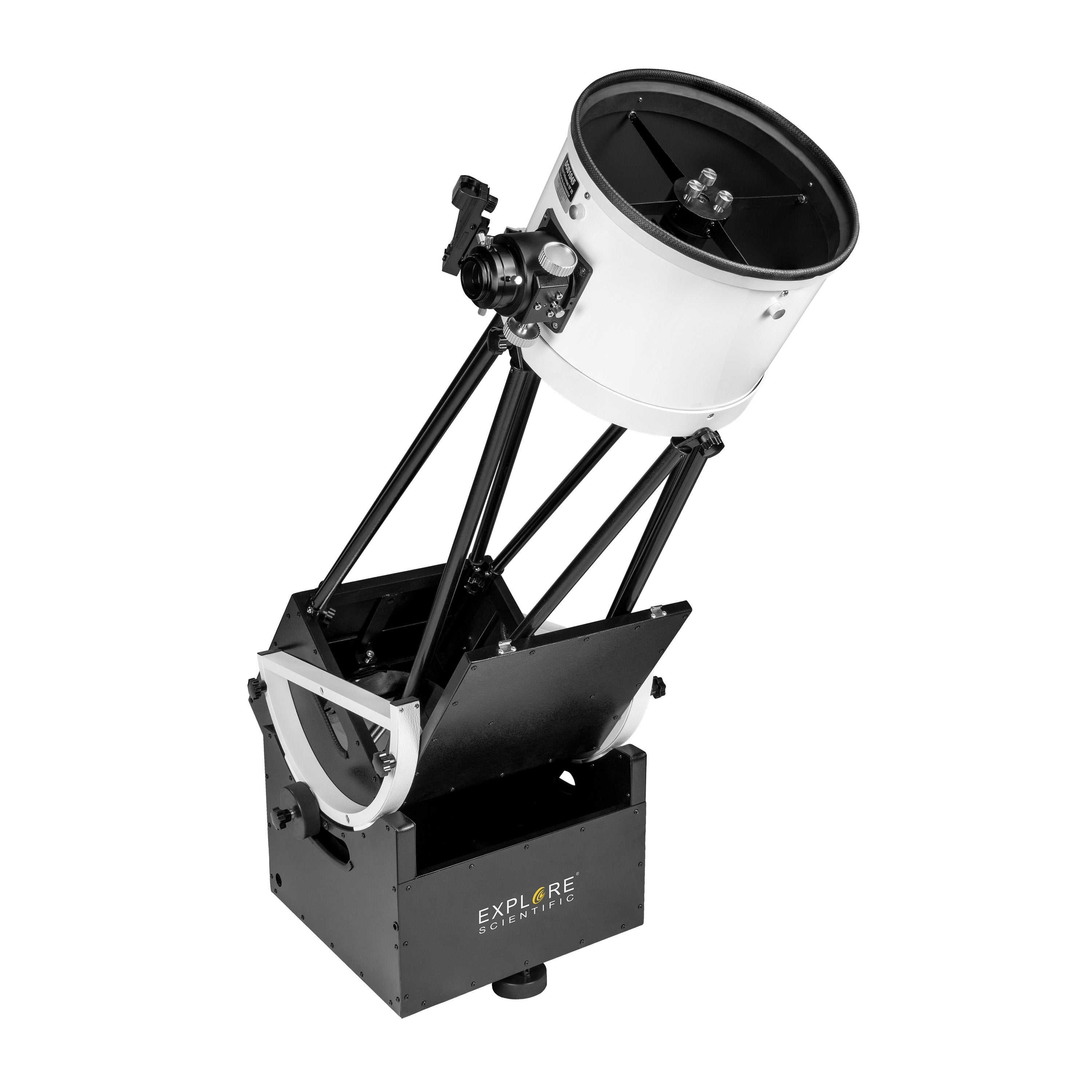
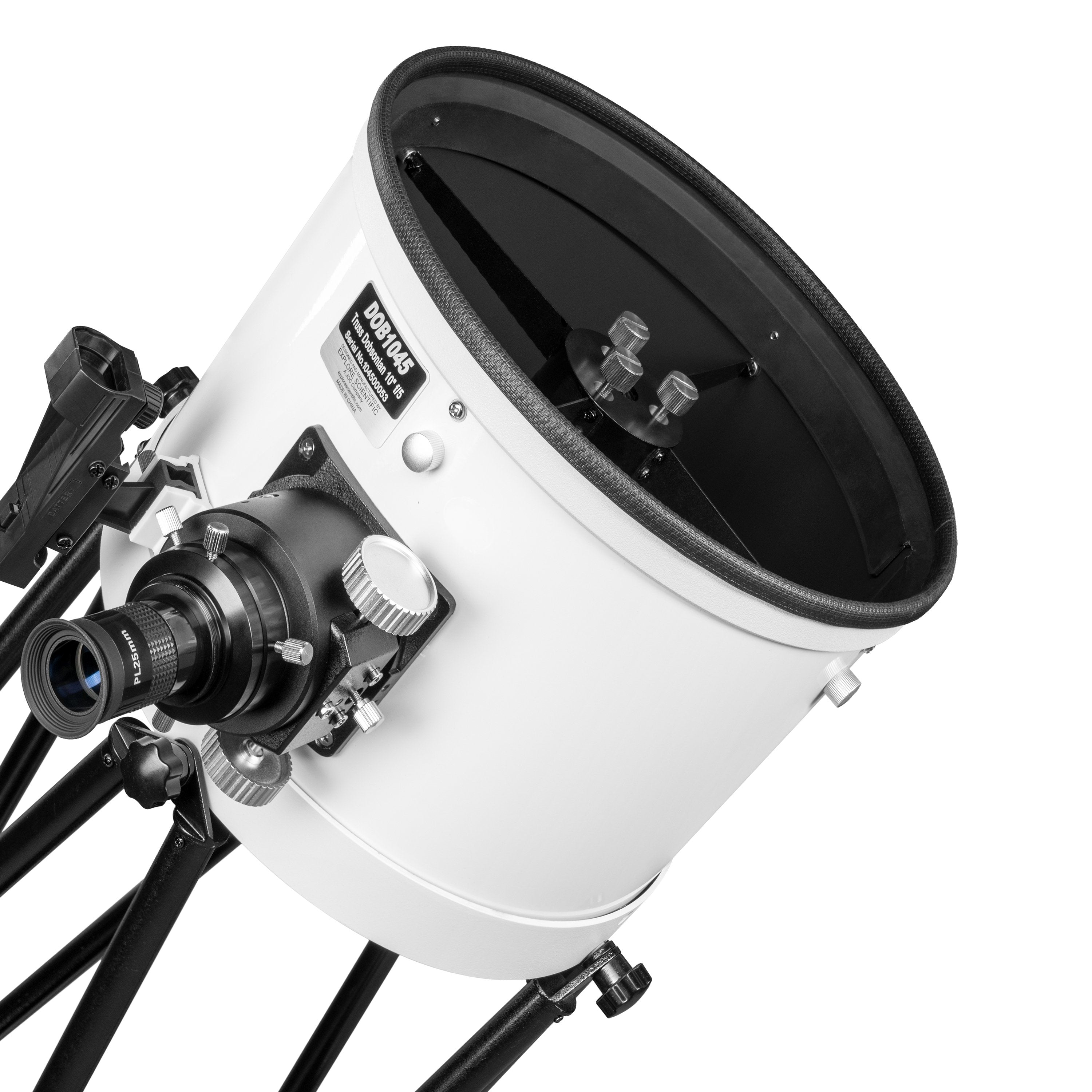


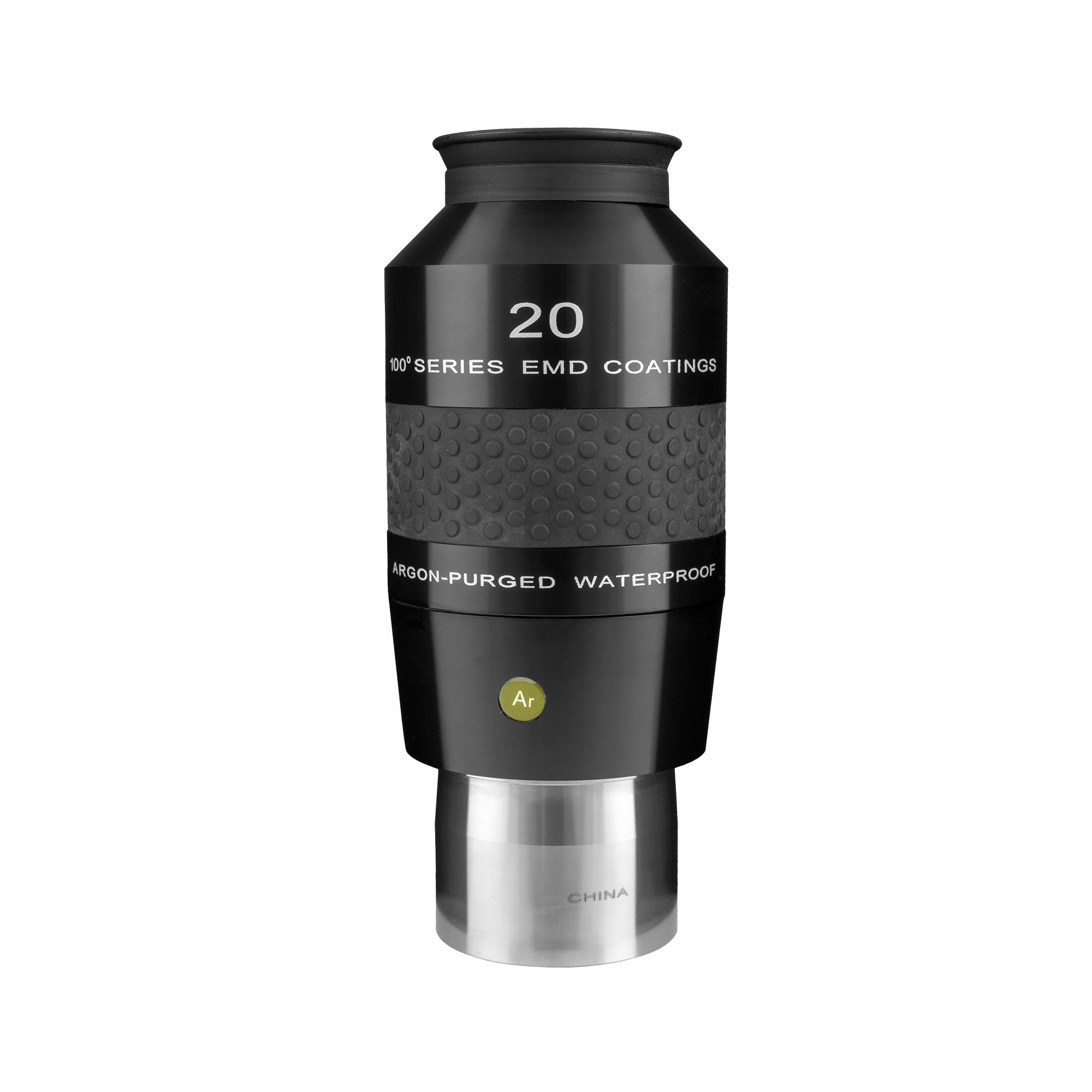
Explore Scientific Expert Tips
Your Complete Astronomy & Optics Equipment Guide
Discover the full lineup of astronomy gear and precision optics from Explore Scientific, including refractor telescopes, reflector telescopes, Dobsonian telescopes, Newtonian reflectors, Maksutov-Cassegrain telescopes, binoculars, spotting scopes, astronomical eyepieces, Barlow lenses, focal extenders, field flatteners, coma correctors, telescope mounts, tripods, GoTo systems, finderscopes, diagonal mirrors, nebula filters, lunar filters, solar filters, astrophotography accessories, adapters, and observing essentials.
Whether you're searching for a beginner telescope, upgrading to a large aperture deep-sky instrument, building a portable travel setup, enhancing planetary viewing performance, or assembling a complete astrophotography system, understanding how optics, mounts, and accessories work together is key to maximizing performance. In the sections below, our team explains core concepts like aperture and light-gathering power, refractor vs. reflector design differences, alt-azimuth vs. equatorial mounts, eyepiece selection, optical filters, and imaging accessories, so you can confidently choose the right astronomy equipment for viewing planets, galaxies, nebulae, star clusters, the Moon, and beyond.
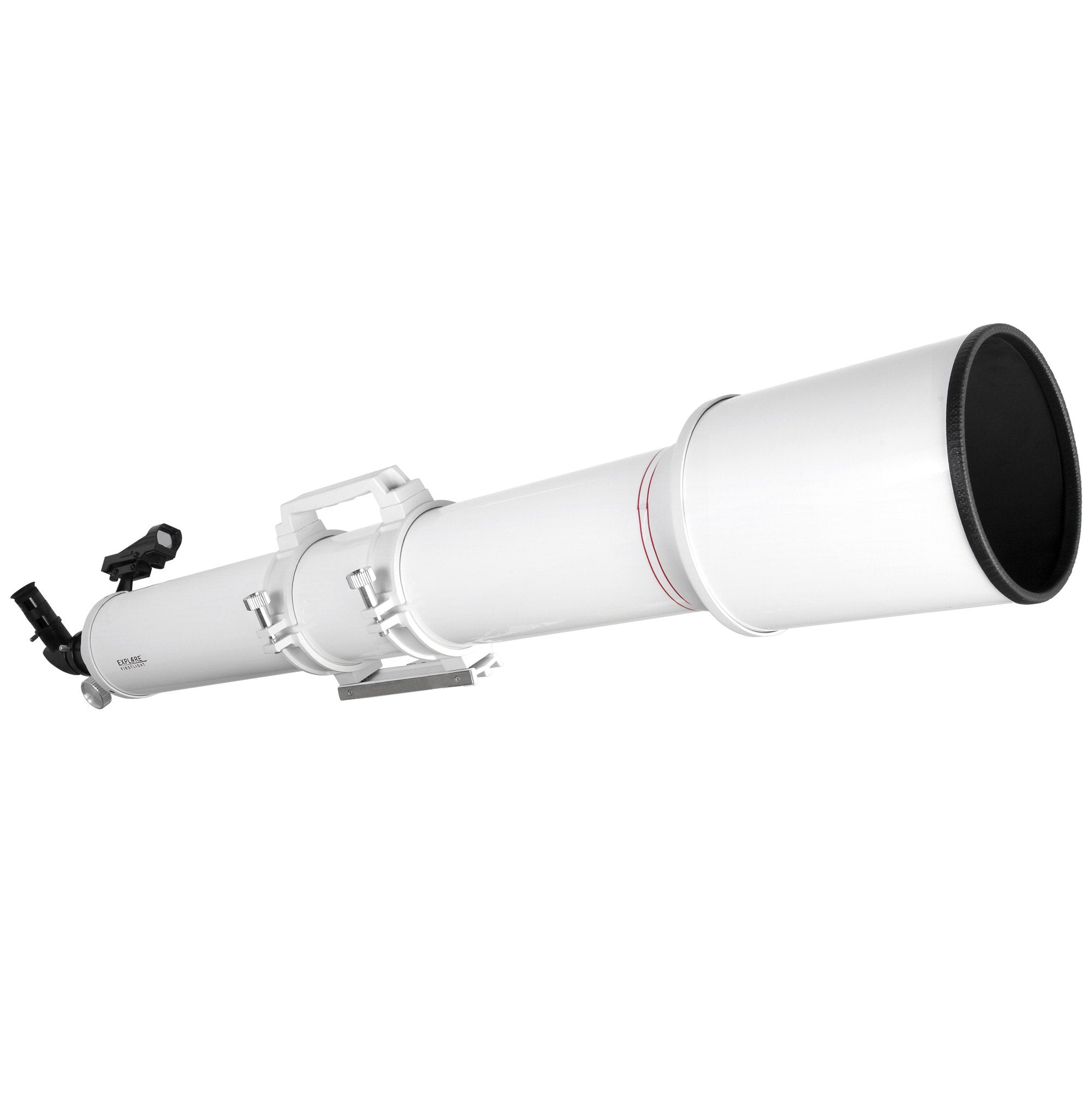
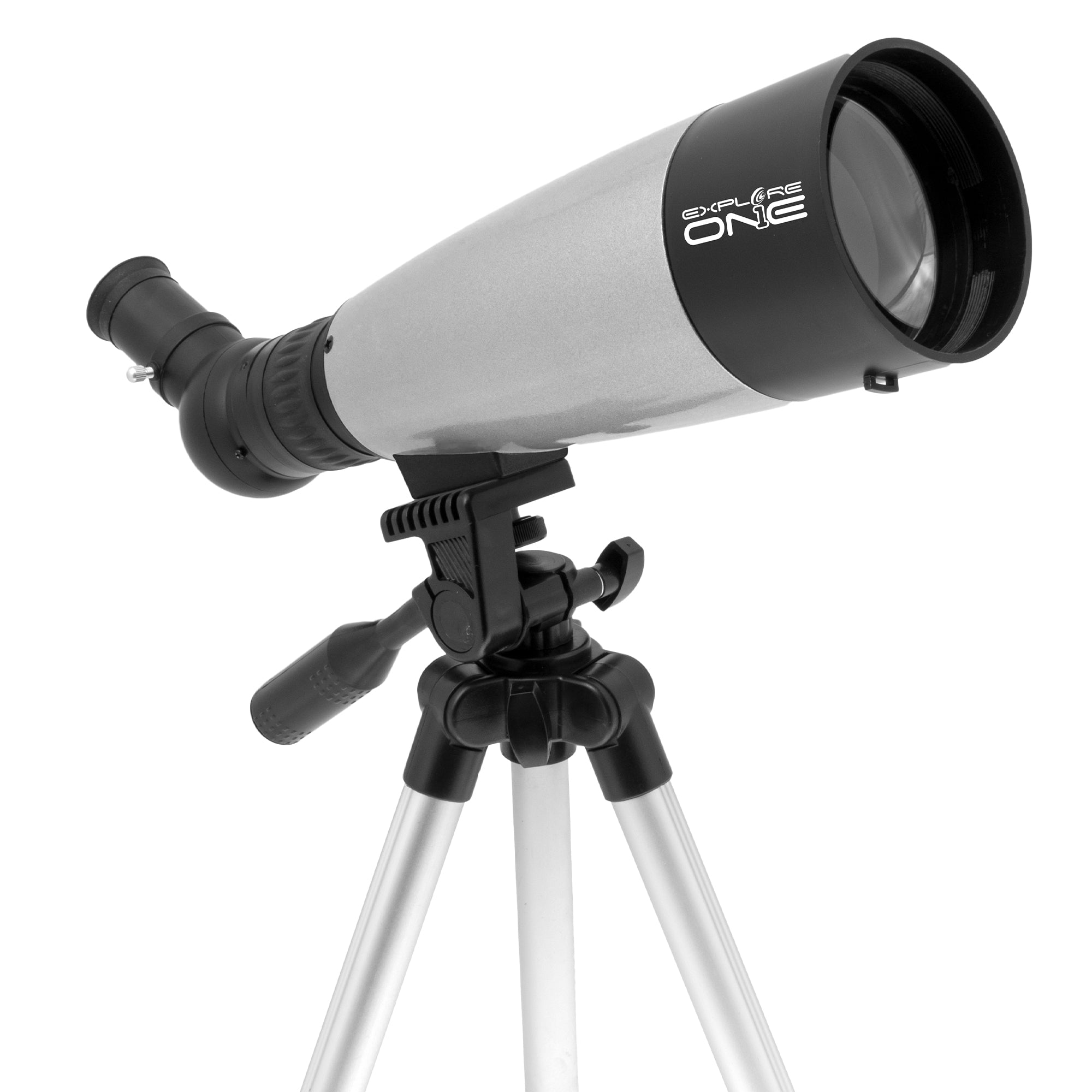
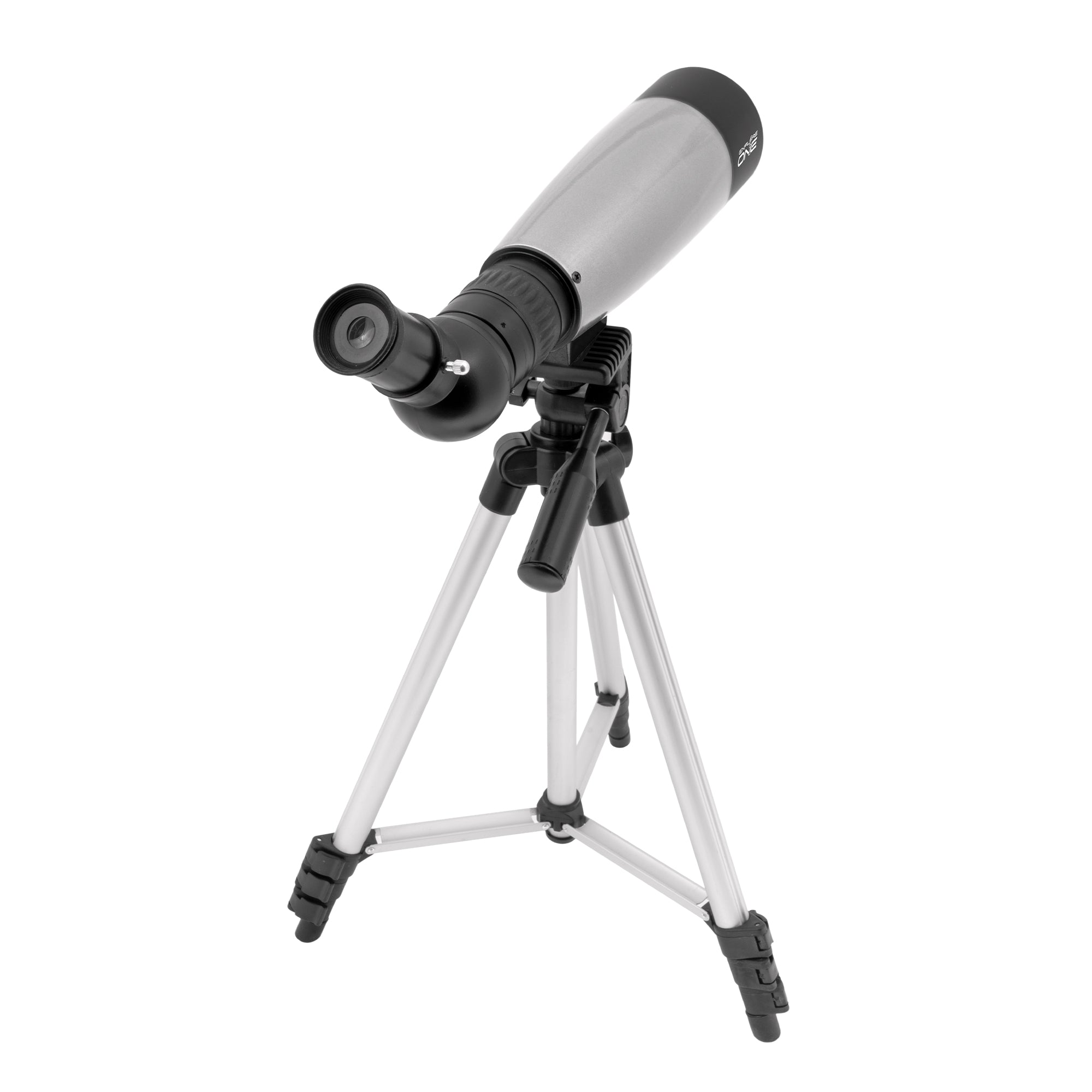
Explore Scientific offers a wide selection of optics for every skill level, from beginner-friendly refractors and small reflectors to large aperture Dobsonian and Maksutov-Cassegrain telescopes. When selecting a telescope, consider:
- Your experience level: Beginners often benefit from easy-to-set-up alt-azimuth mounted refractors or tabletop Dobsonians. Advanced users may prefer equatorial or GoTo mounts for deep-sky observing and astrophotography.
- Your observing goals: Lunar and planetary detail is best with high-quality refractors or Maksutov-Cassegrain designs. Deep-sky objects like galaxies and nebulae benefit from larger aperture reflectors.
- Portability vs. performance: Compact telescopes or travel-friendly refractors are ideal for quick setup or dark-sky trips, while larger Dobsonians provide maximum aperture for detailed deep-sky observation.
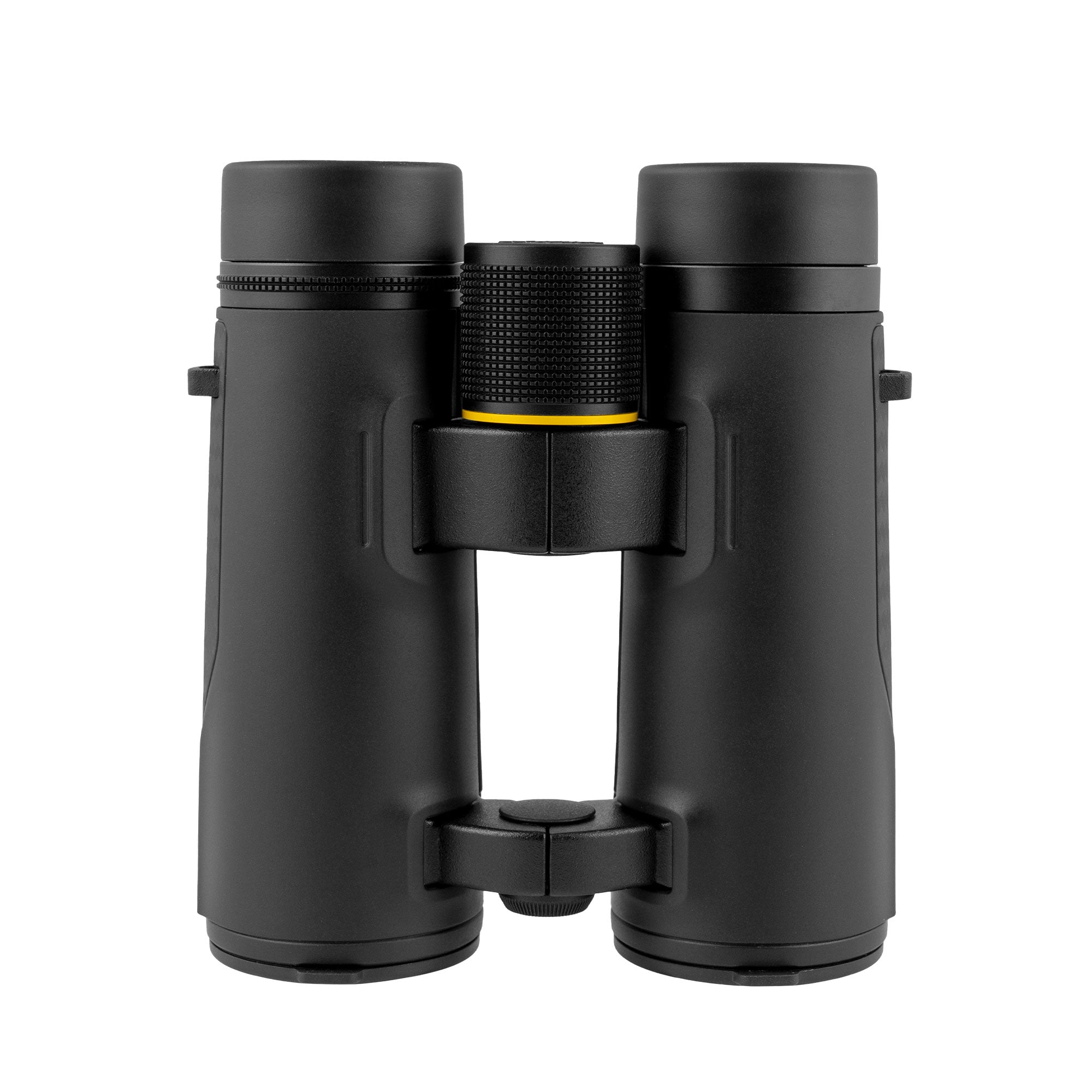
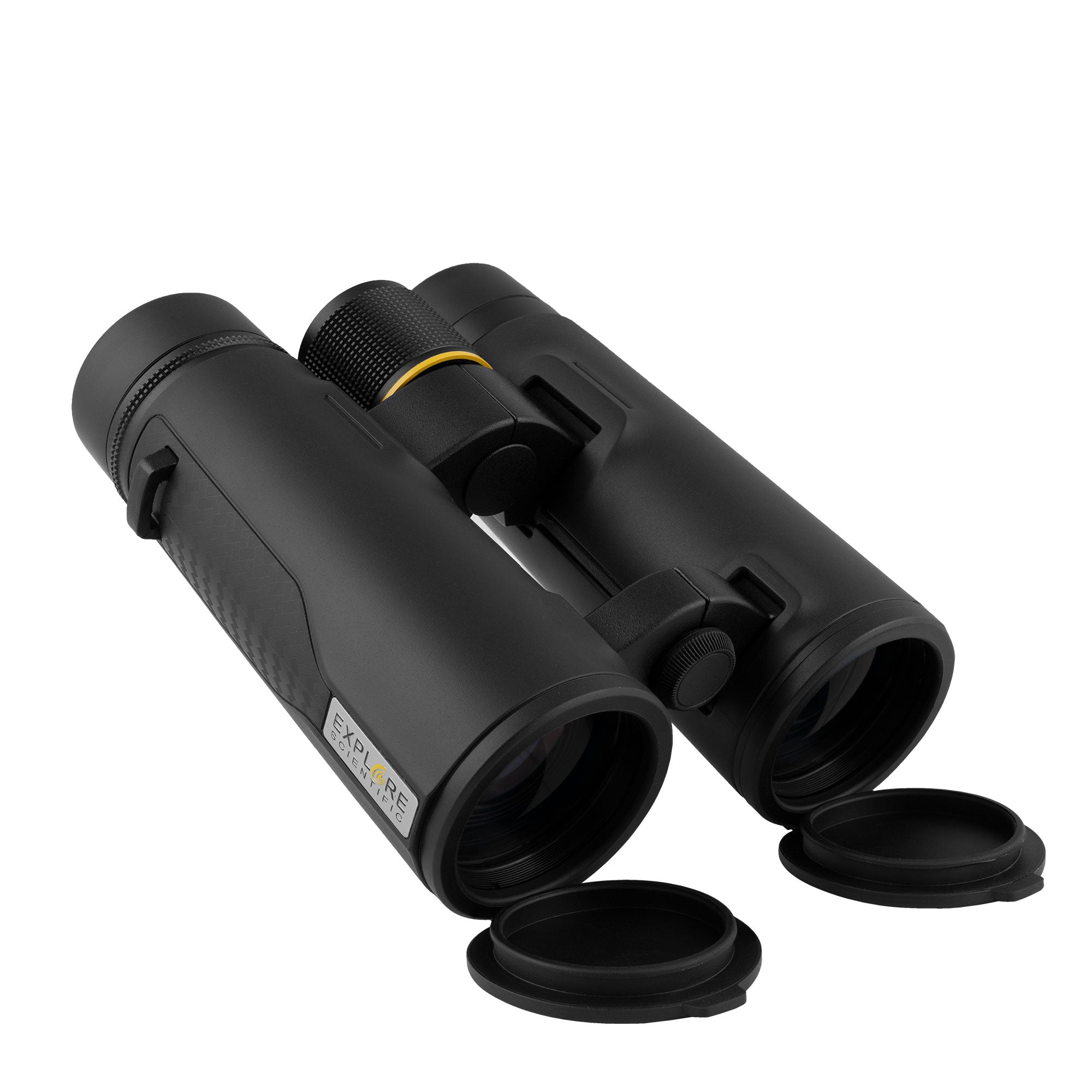
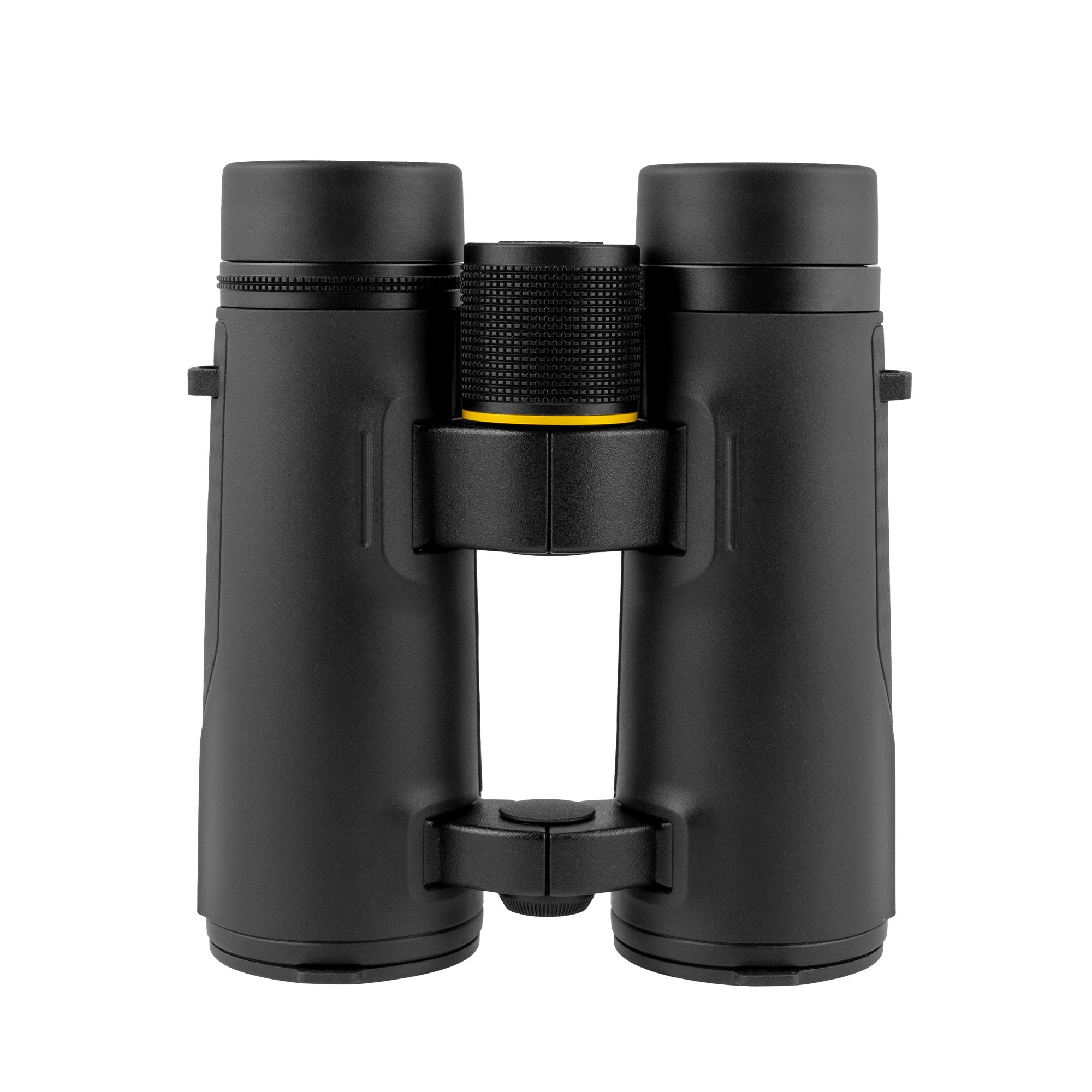
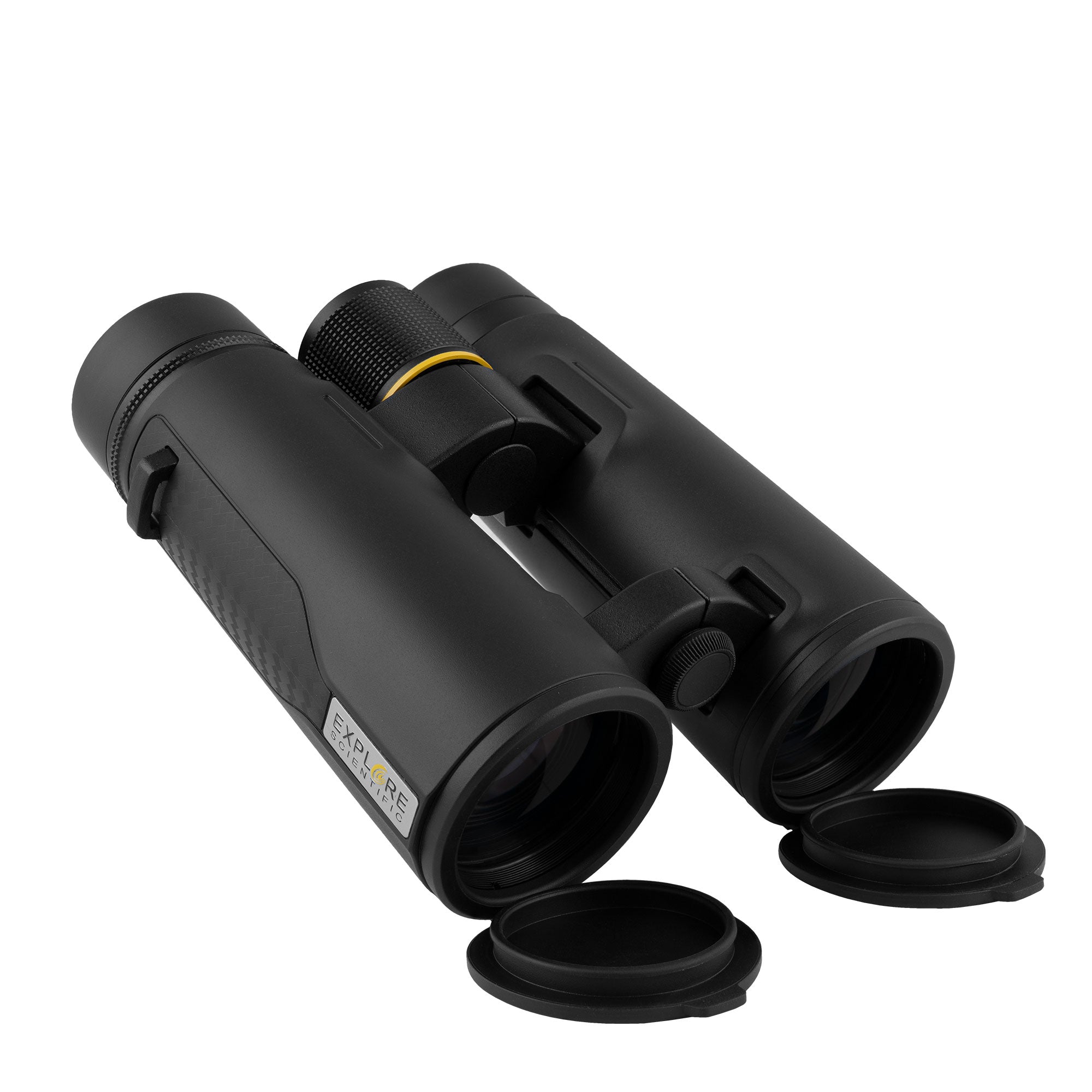
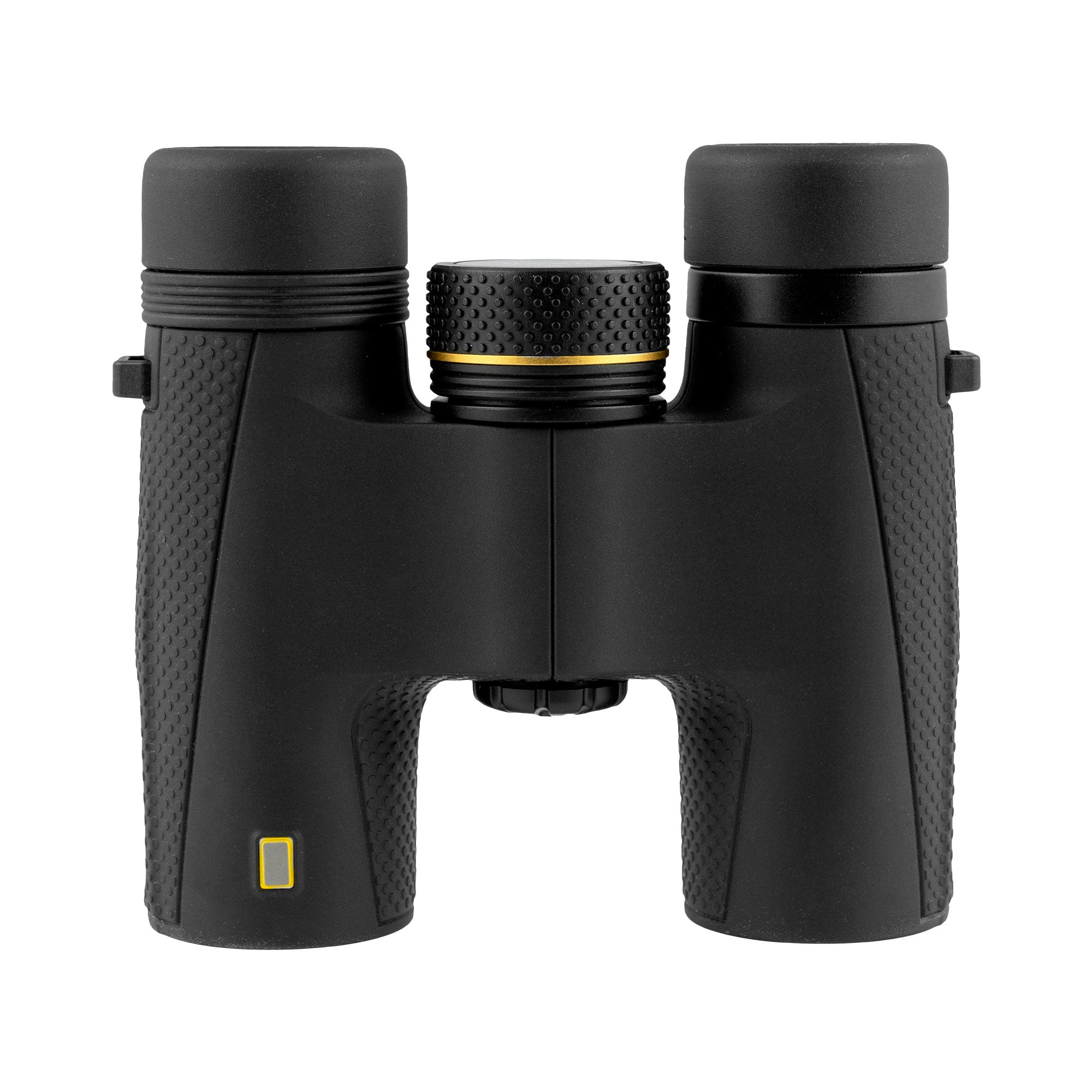
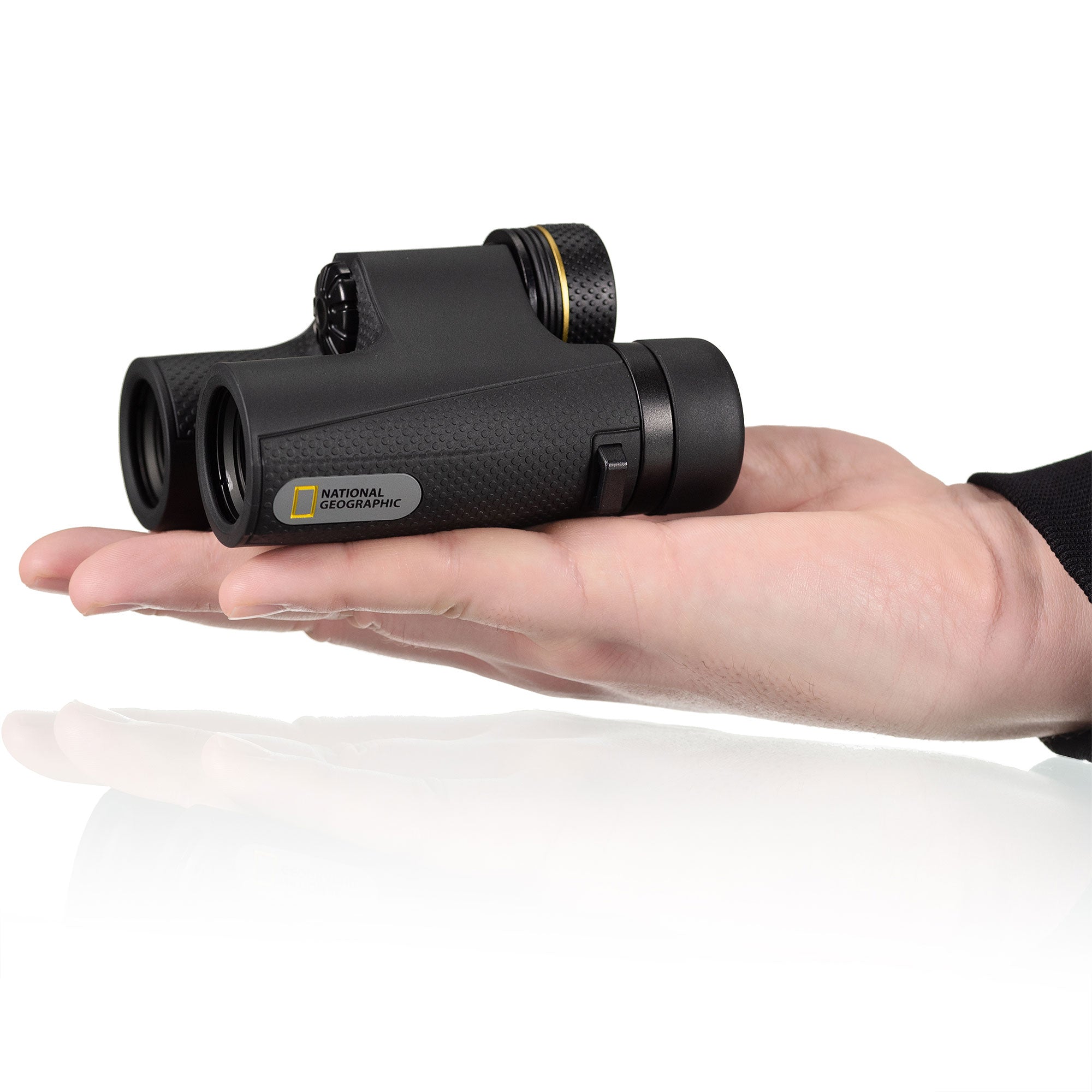
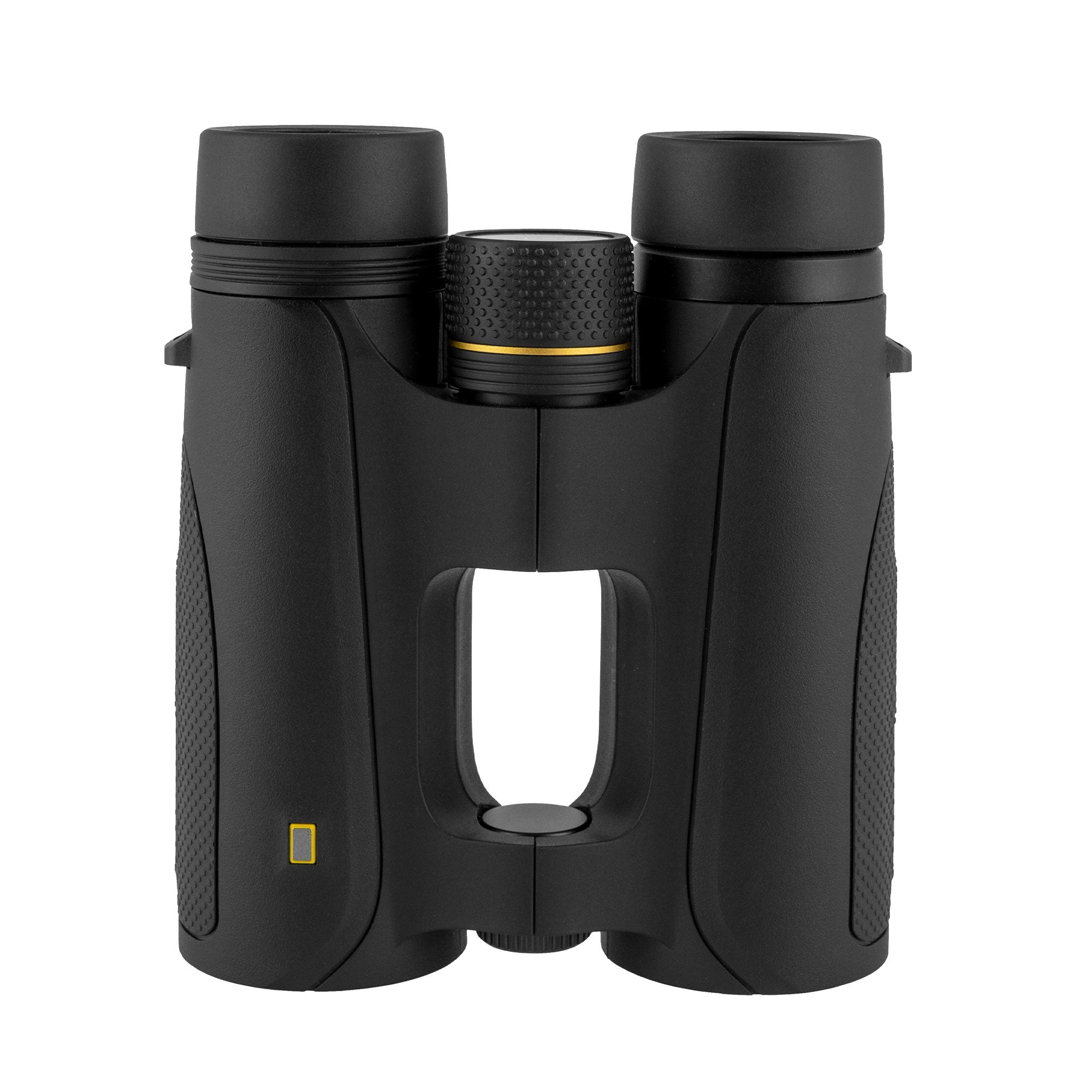
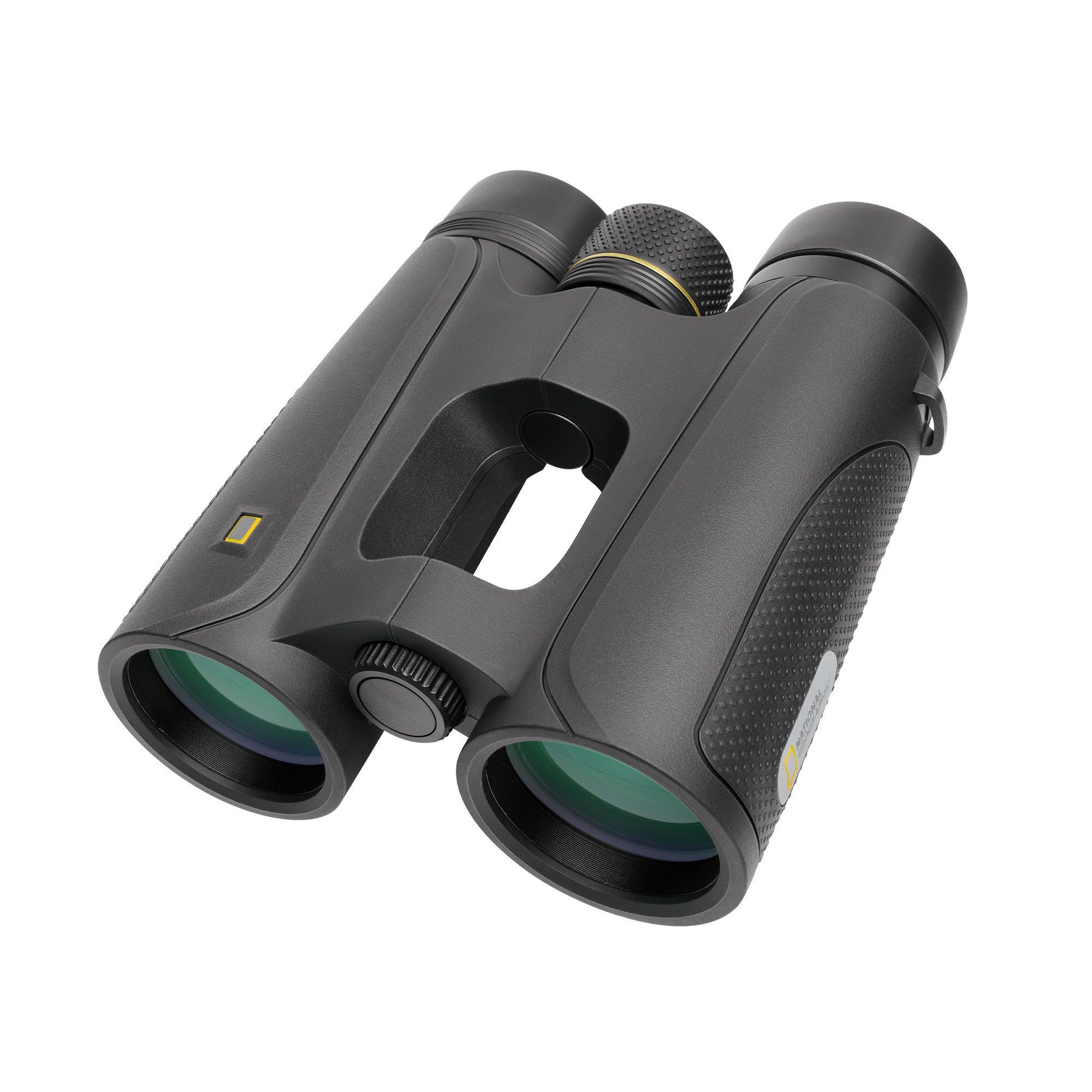
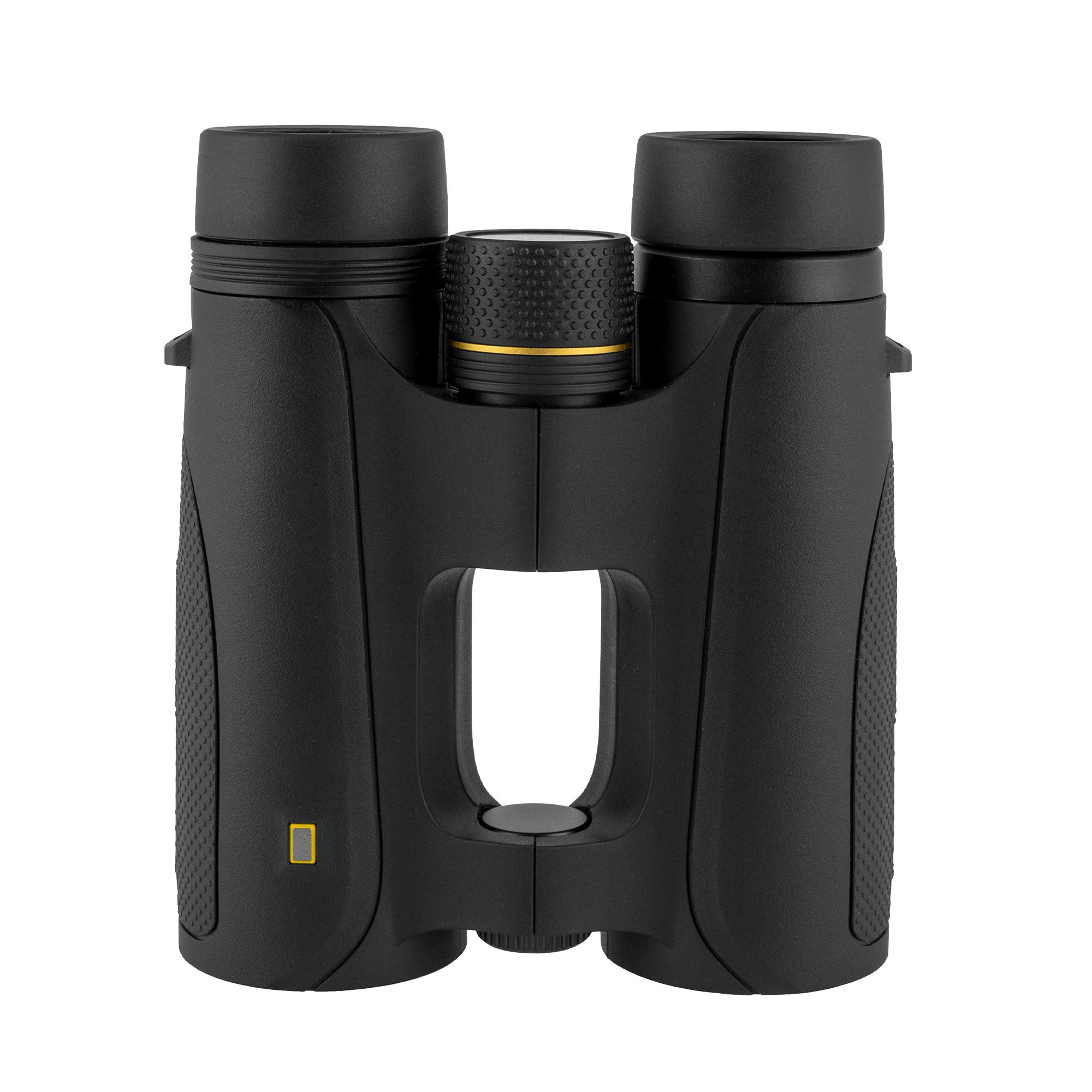
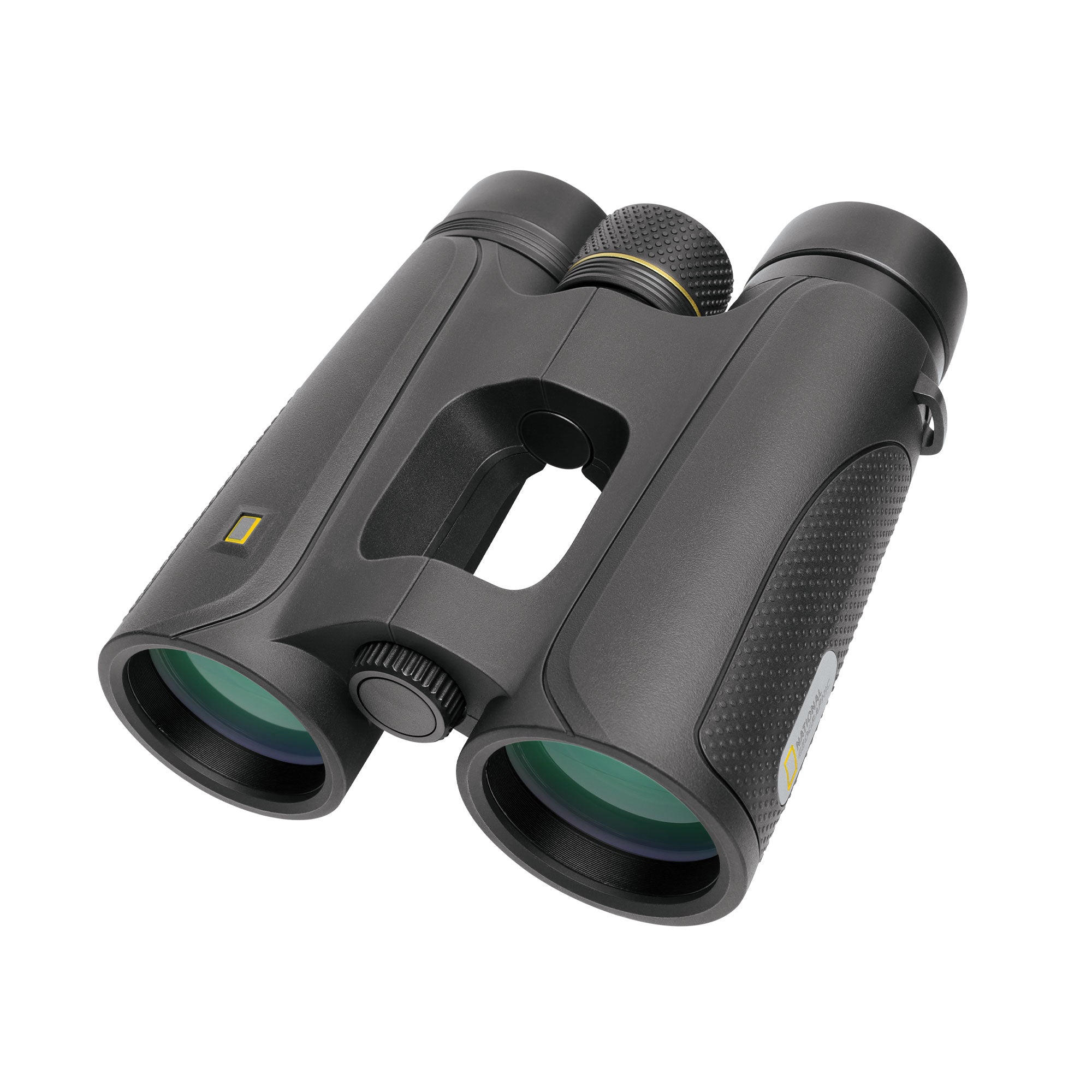
Binoculars are versatile, portable, and great for both night sky and daytime use. Astronomy binoculars with large objective lenses (50mm+) gather more light, making star clusters, the Milky Way, and bright comets more visible. They are also ideal for birding, wildlife observation, and casual terrestrial viewing. Many astronomers use binoculars to scout the sky before committing to telescope viewing.
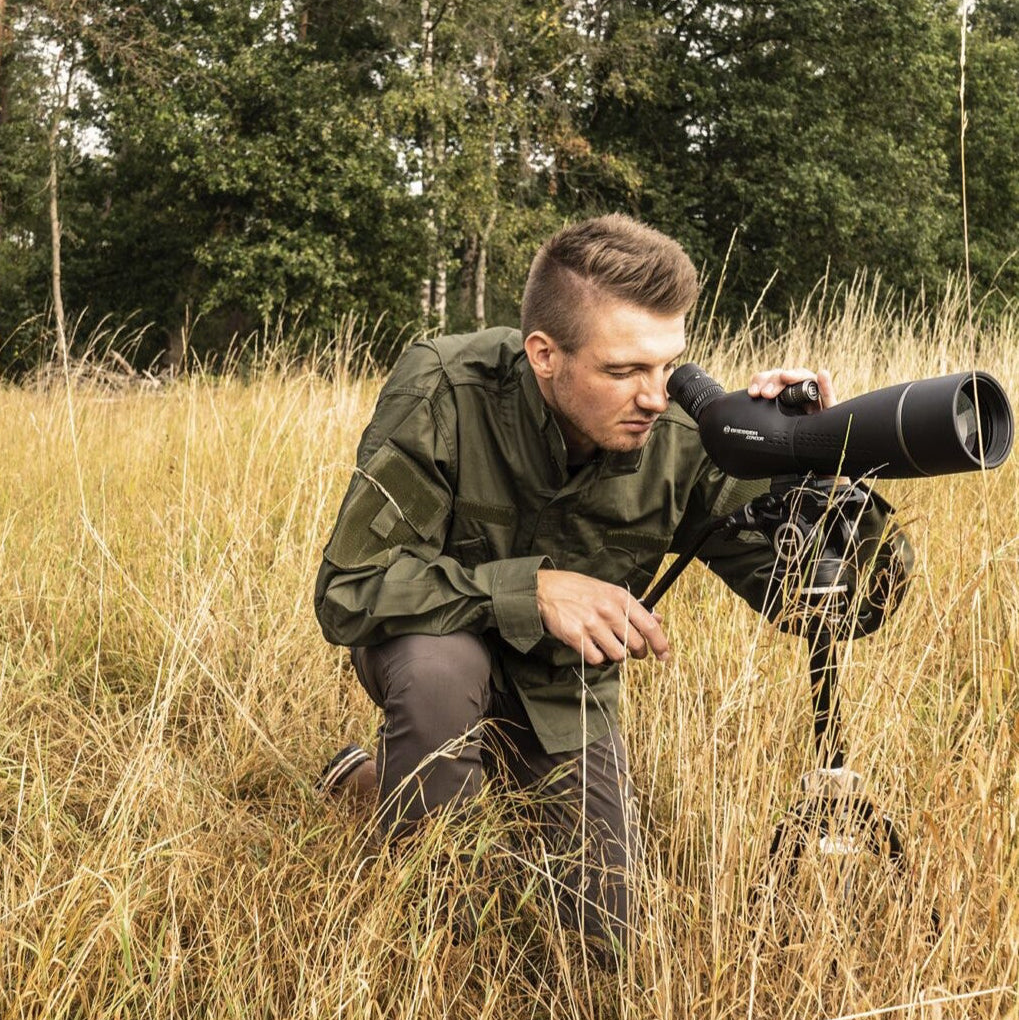
Spotting scopes offer a compact, high-magnification option for terrestrial and lunar observation. They are ideal for backyard observing, travel, and dual-purpose use in wildlife or birding applications. With high-quality optics, spotting scopes deliver sharp images of distant objects without the size and weight of larger telescopes.
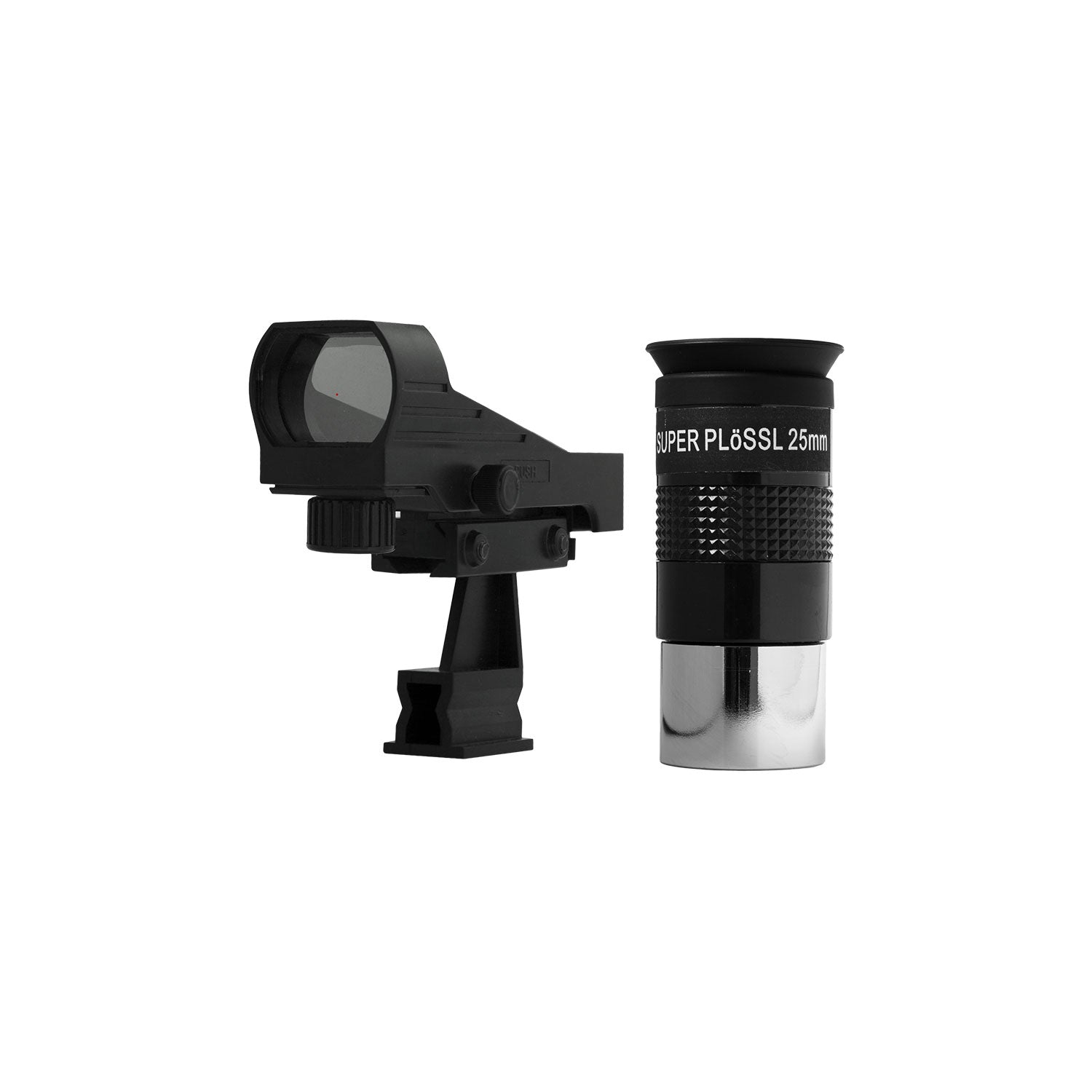
Eyepieces control magnification, field of view, and eye relief, and upgrading them can dramatically improve both telescope and spotting scope performance.
- Short focal length eyepieces (high magnification) reveal planetary and lunar detail.
- Medium focal lengths are perfect for general-purpose observing of star clusters and nebulae.
- Long focal lengths (low magnification) provide wide-field views ideal for expansive star fields.
Wide-angle designs improve edge-to-edge sharpness and provide more immersive deep-sky observation.
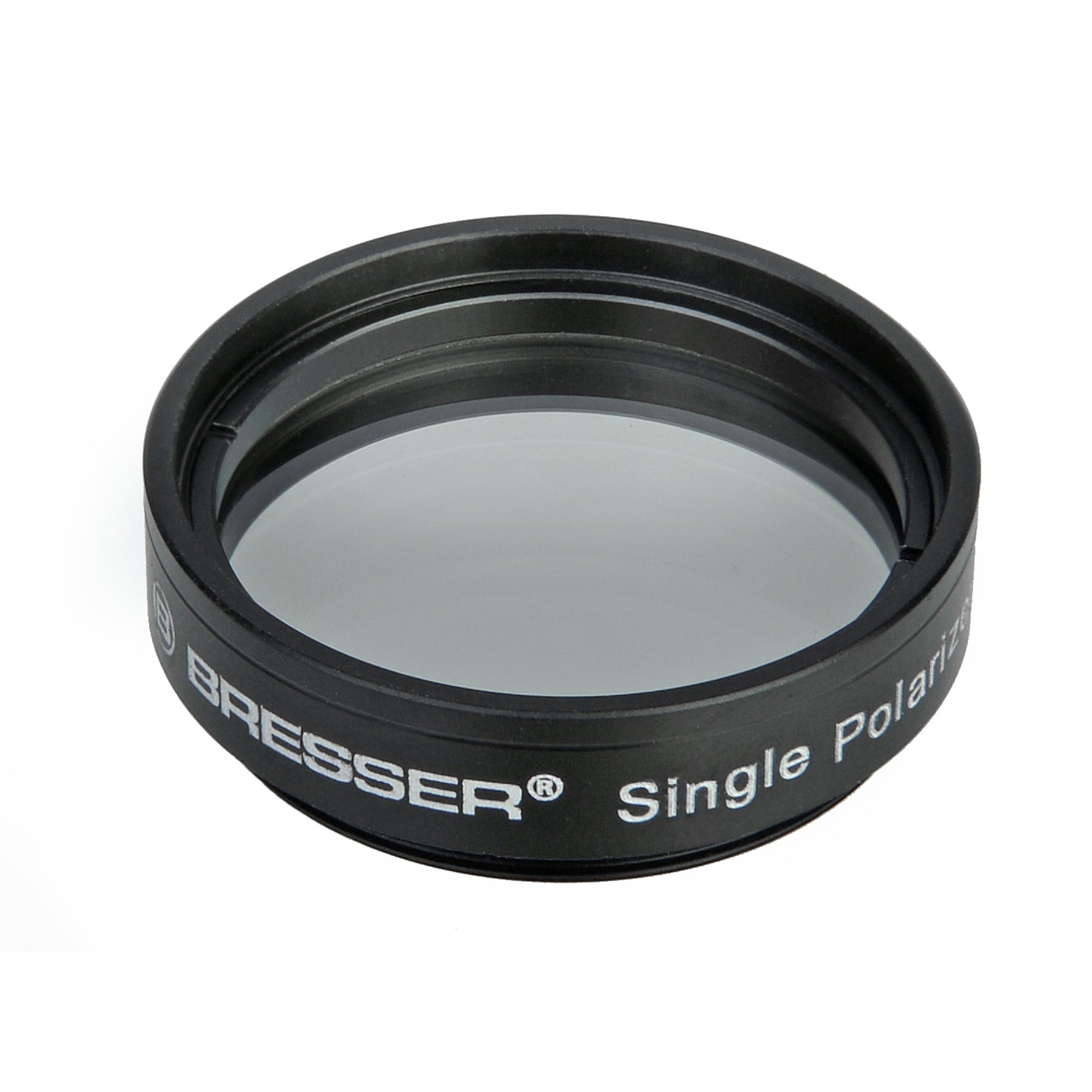
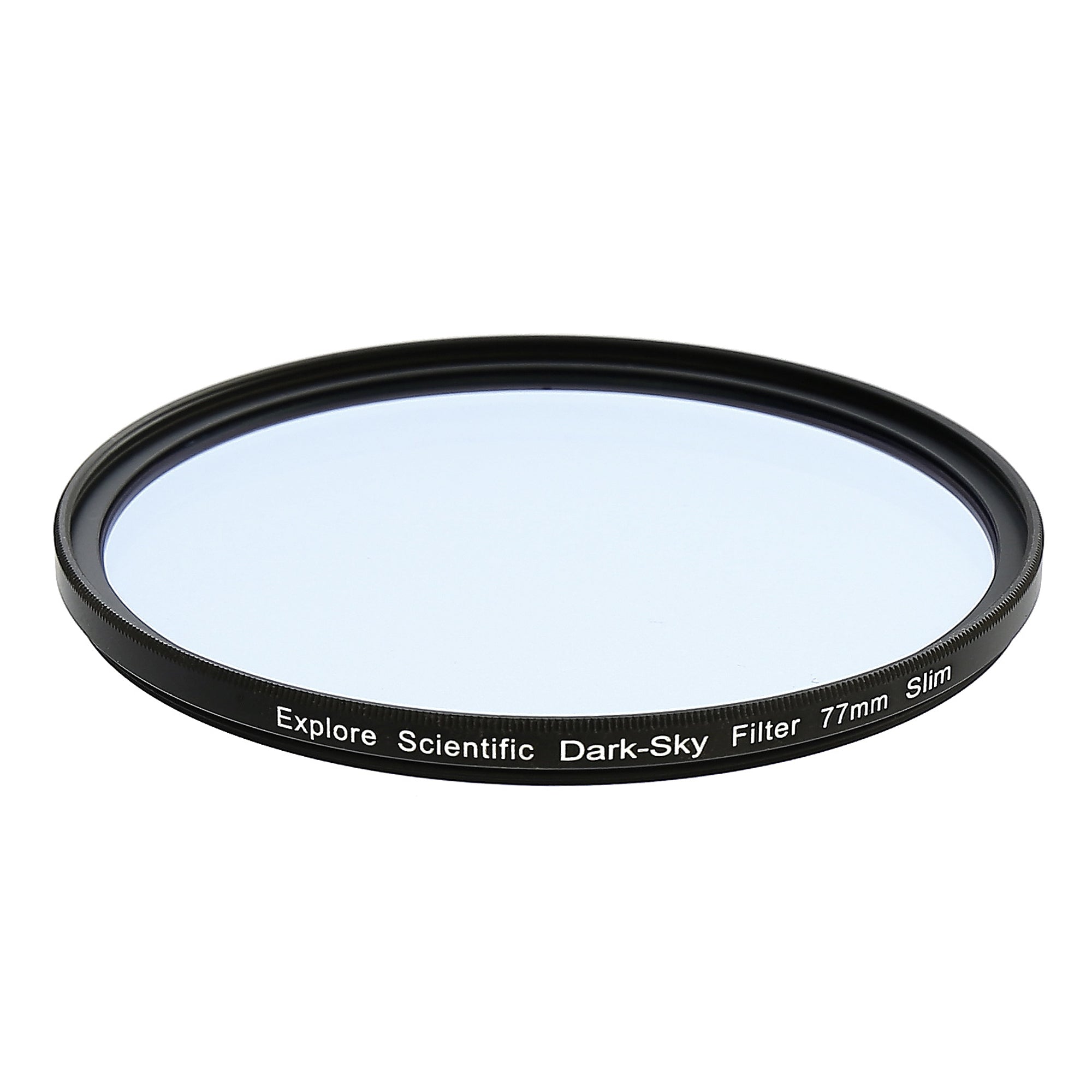
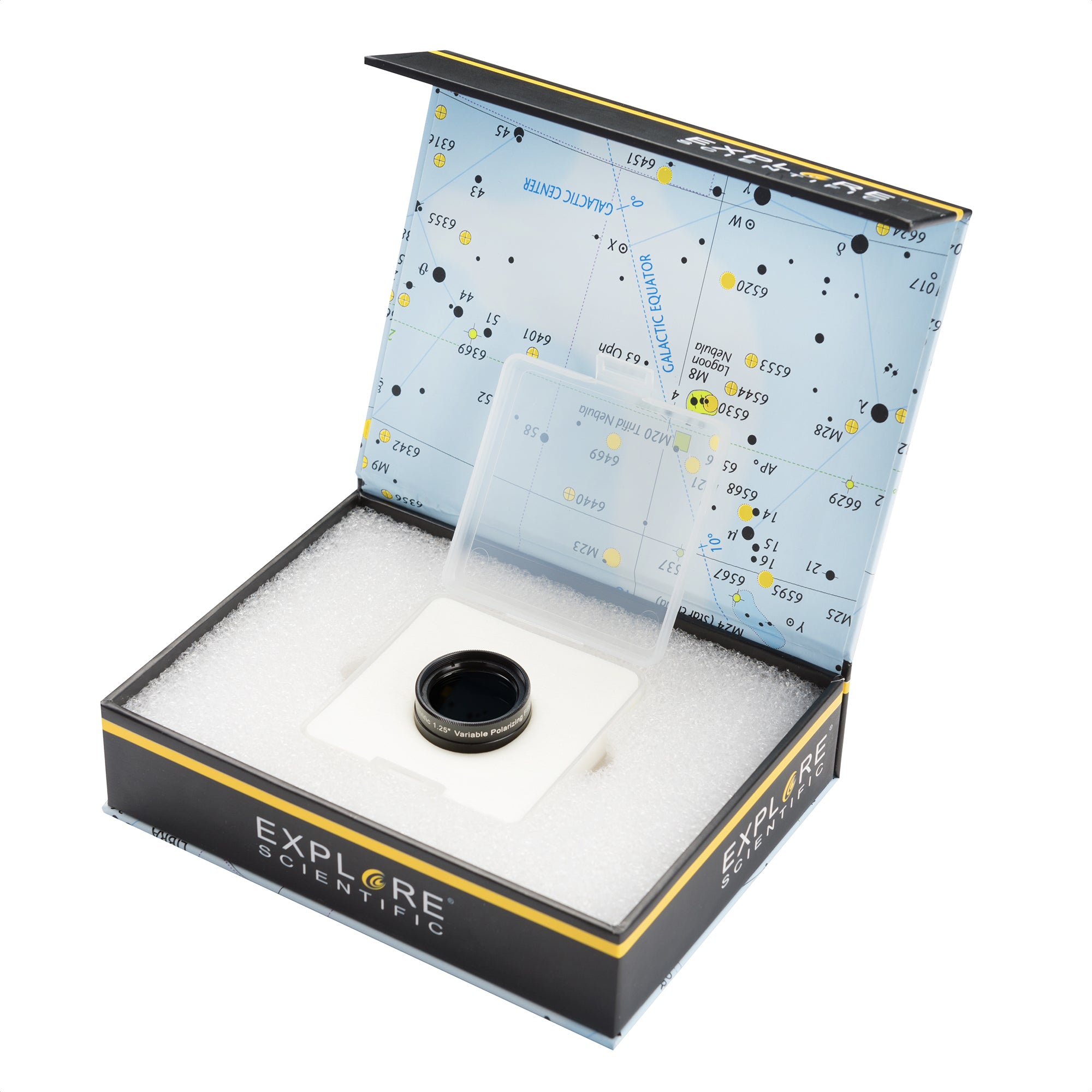
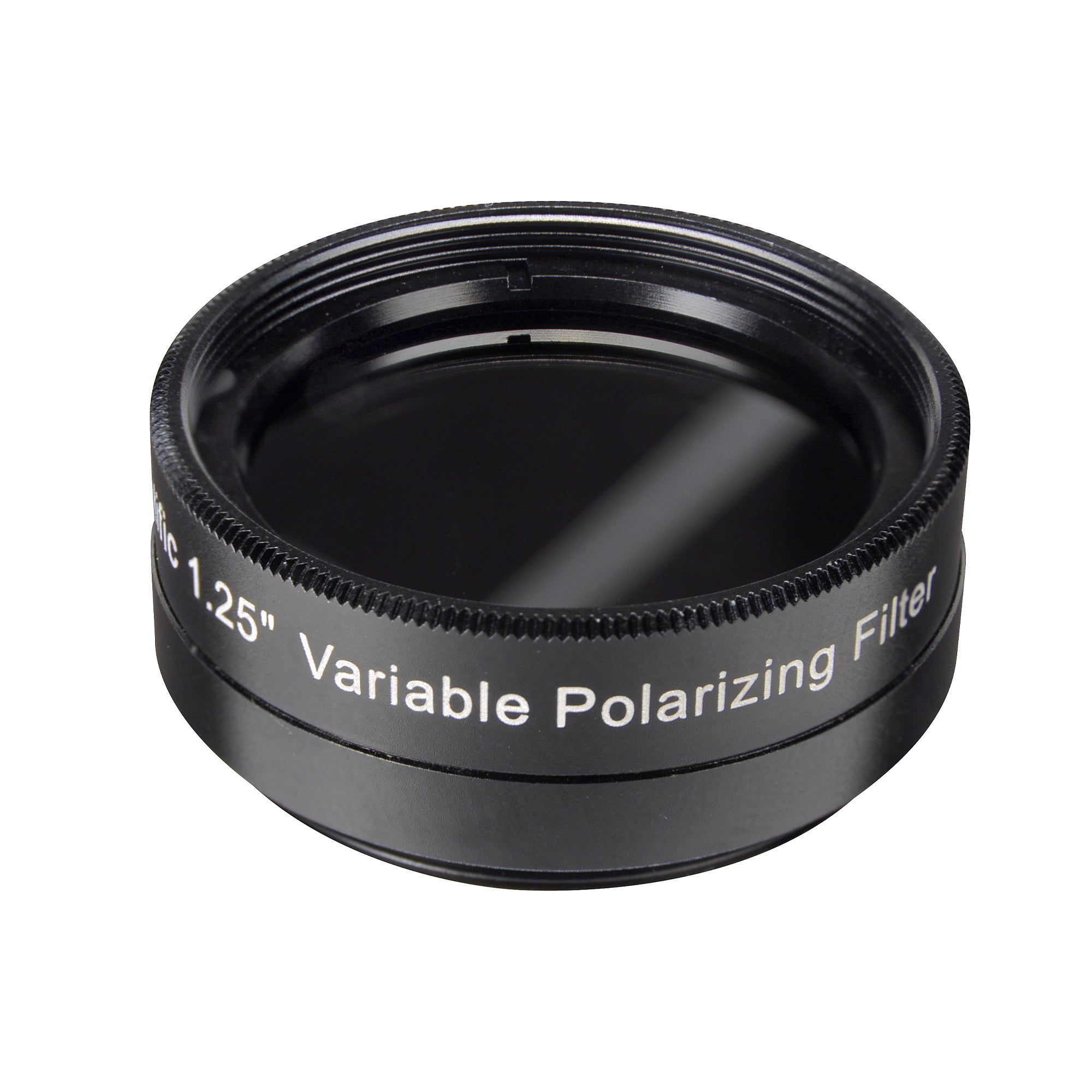
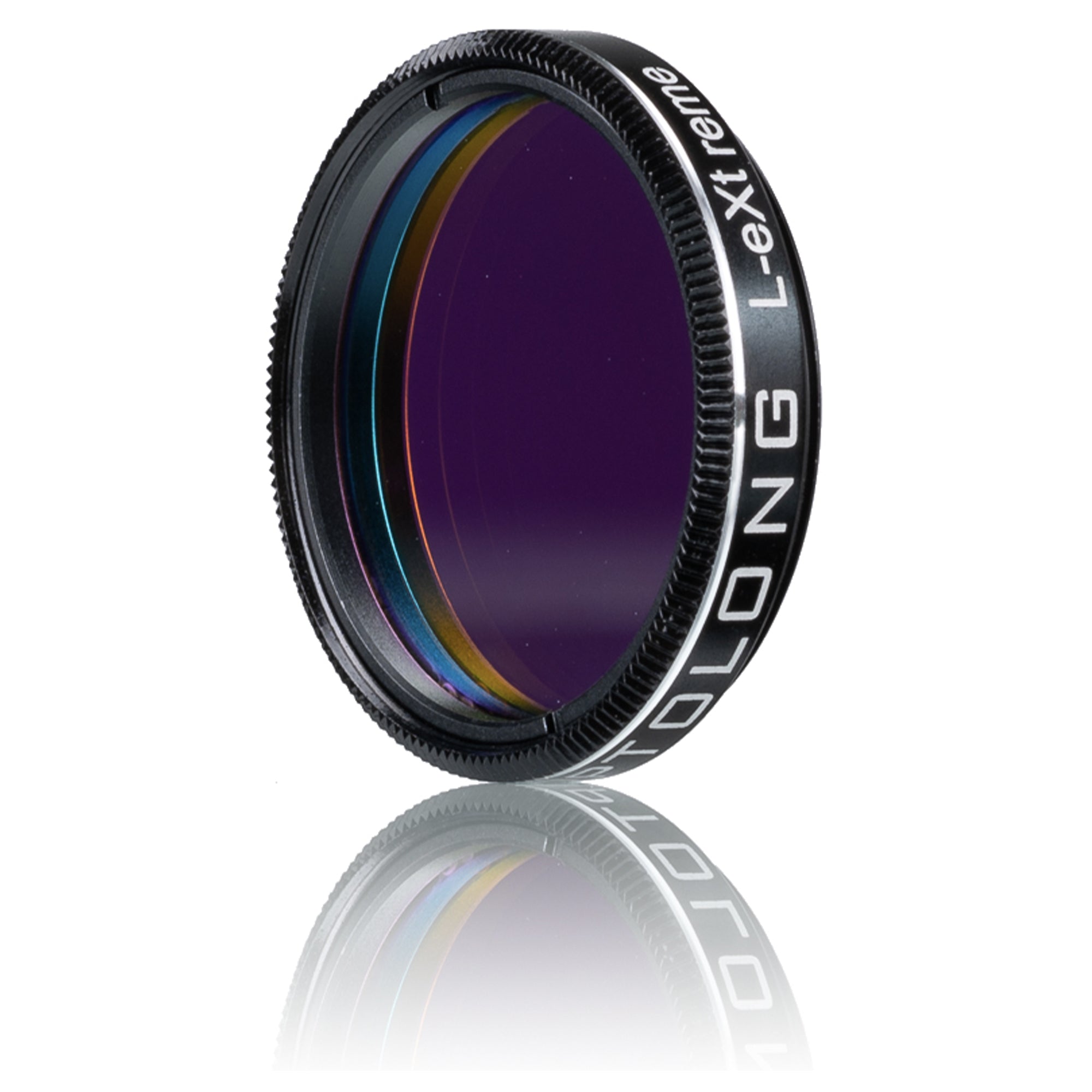
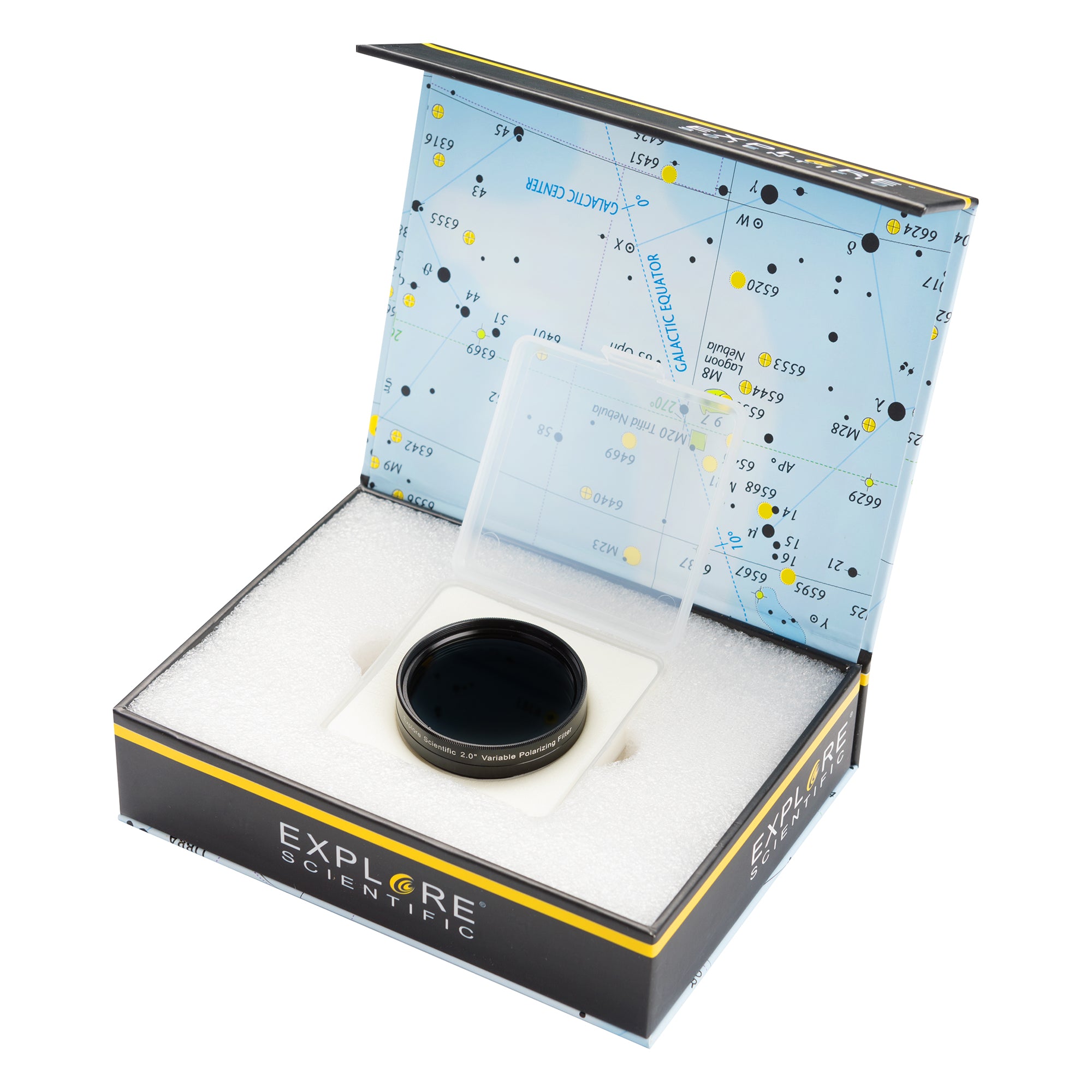
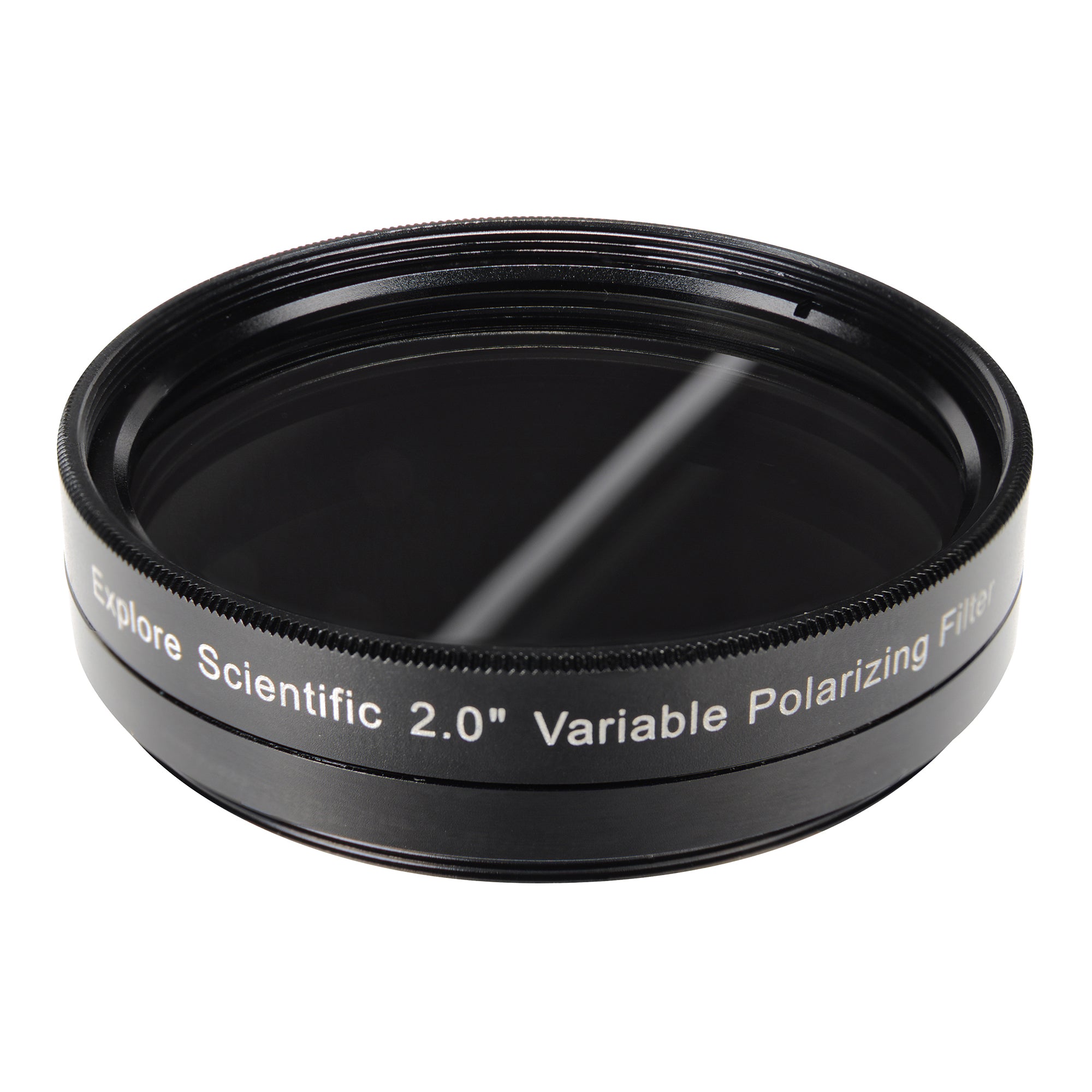
Filters improve contrast, reduce glare, and bring out fine detail in celestial and terrestrial targets:
- Moon filters reduce lunar brightness for comfortable viewing.
- Planetary filters enhance features on Jupiter, Saturn, and Mars.
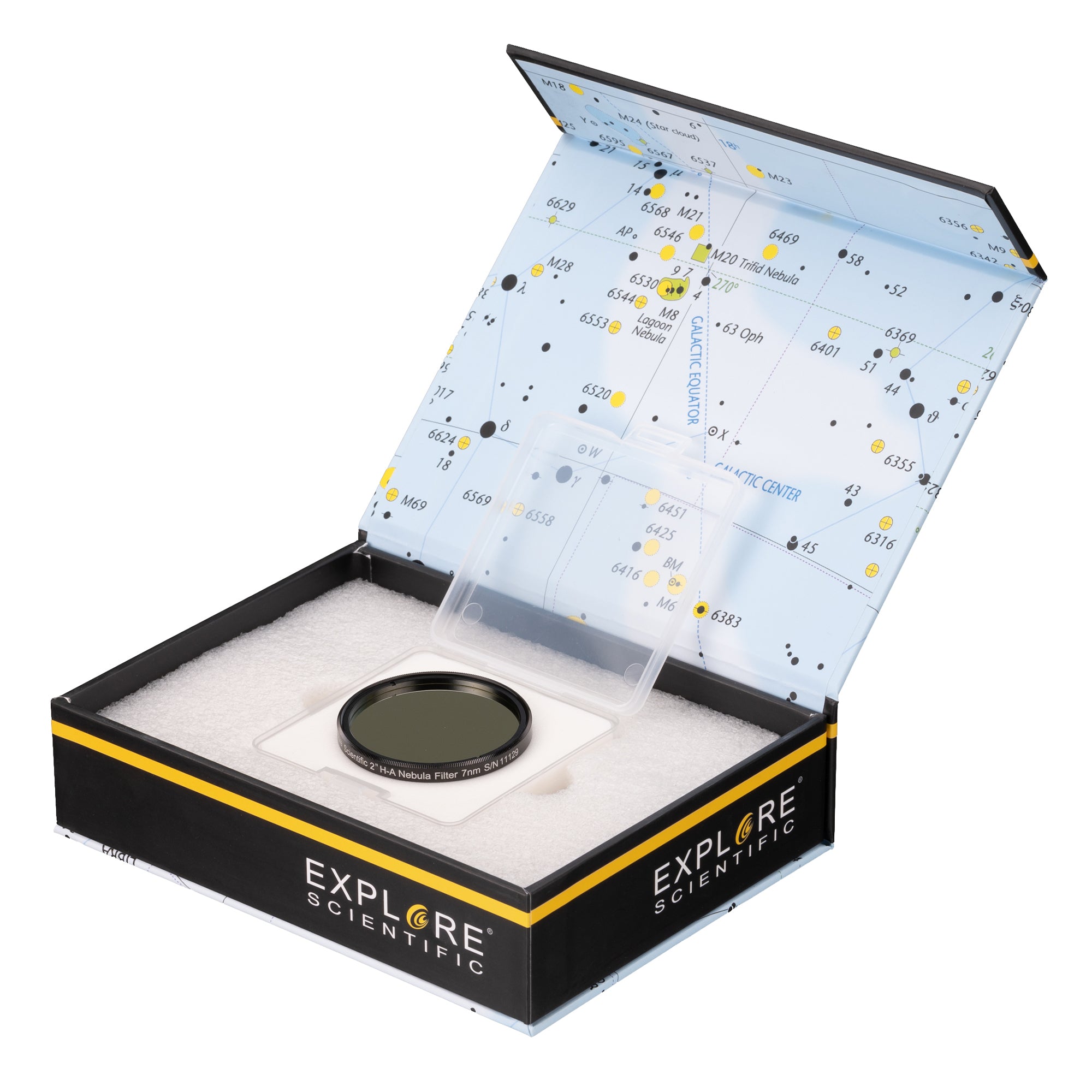
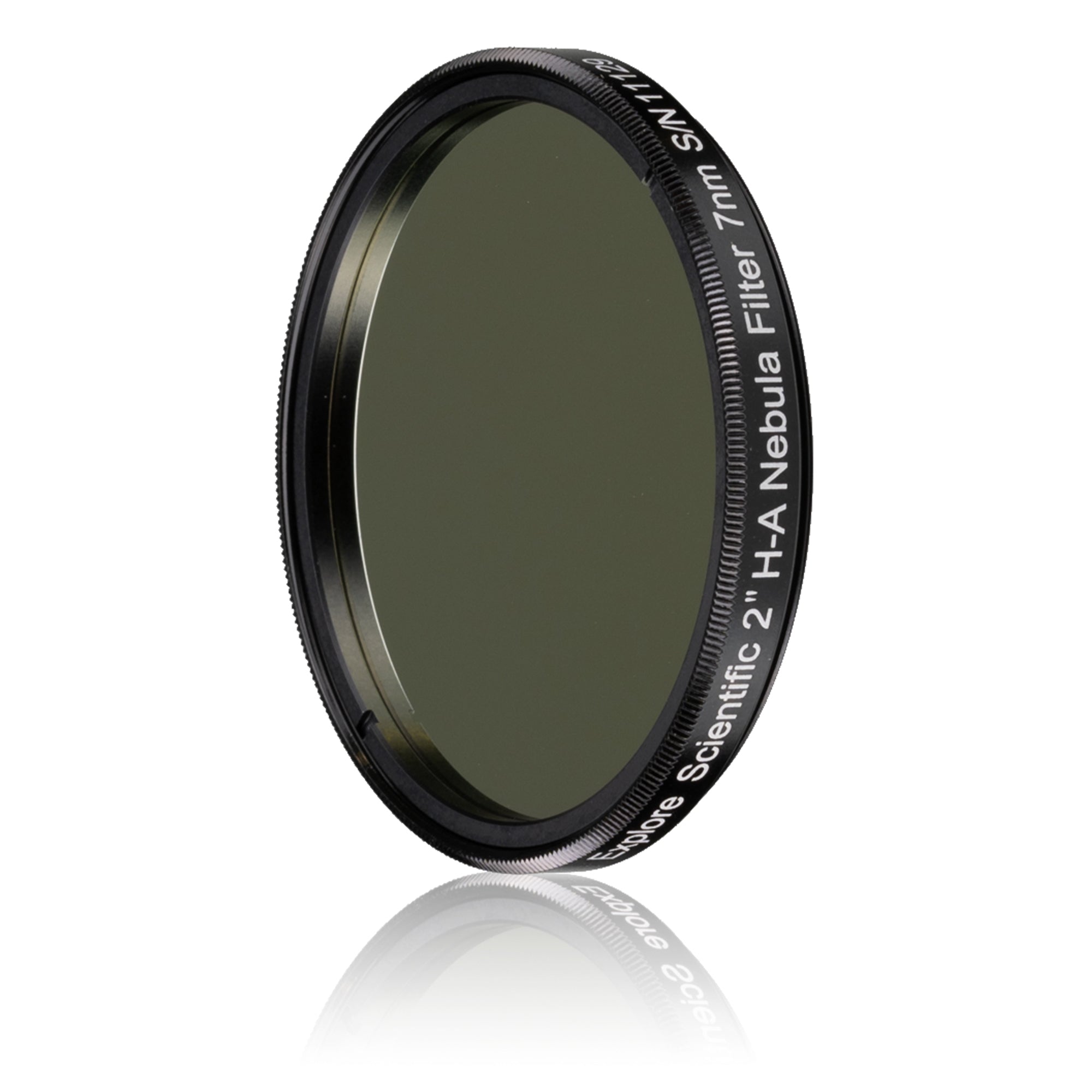
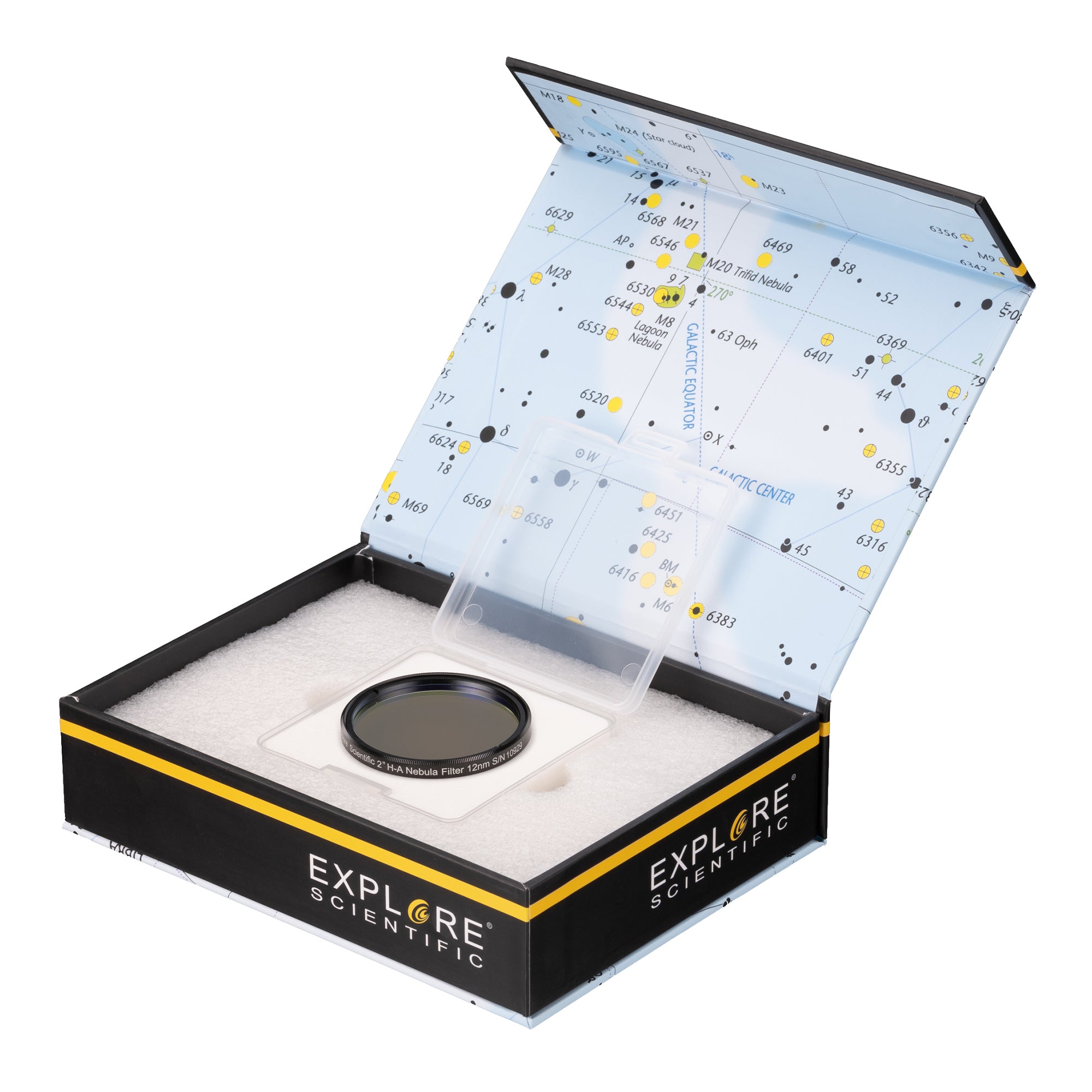
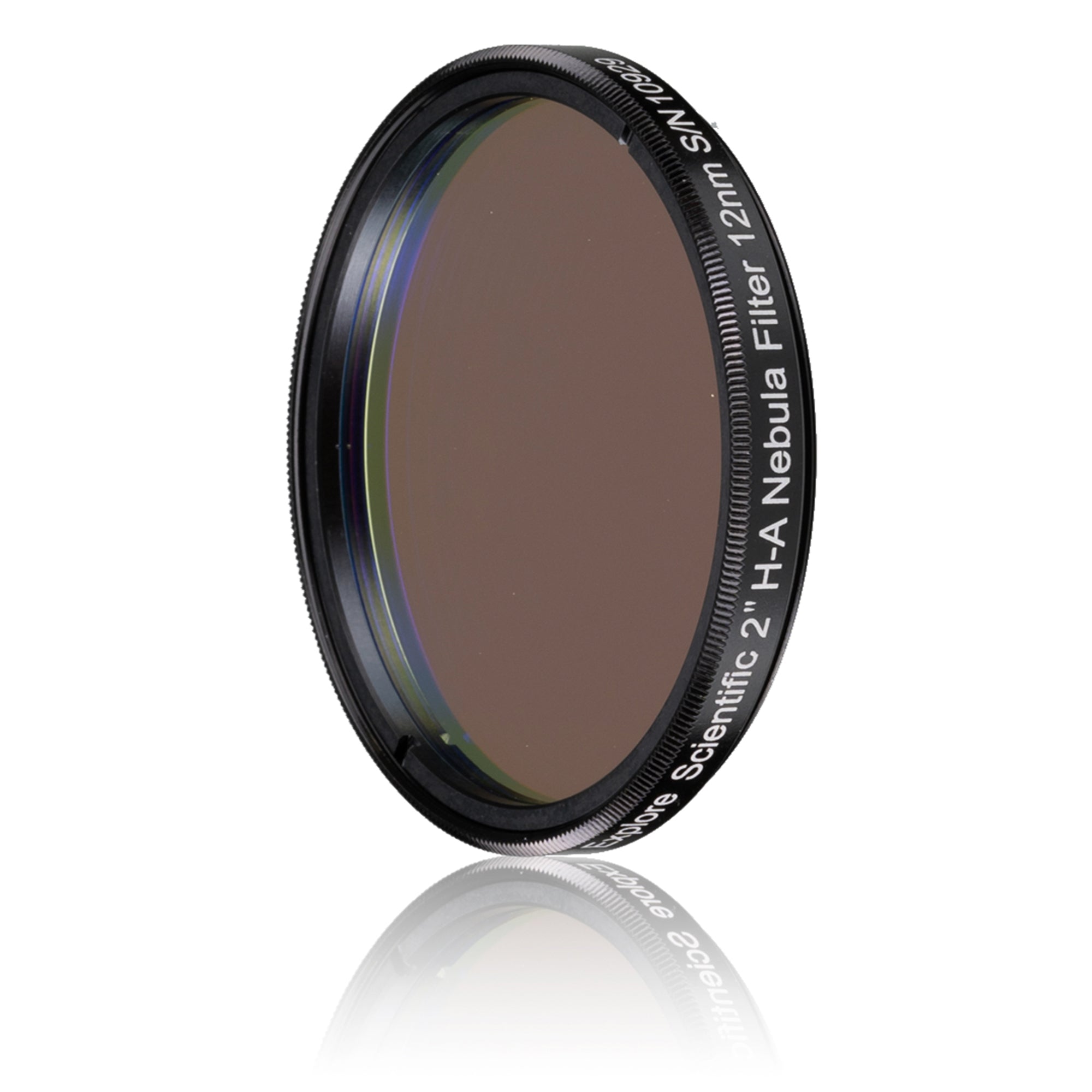
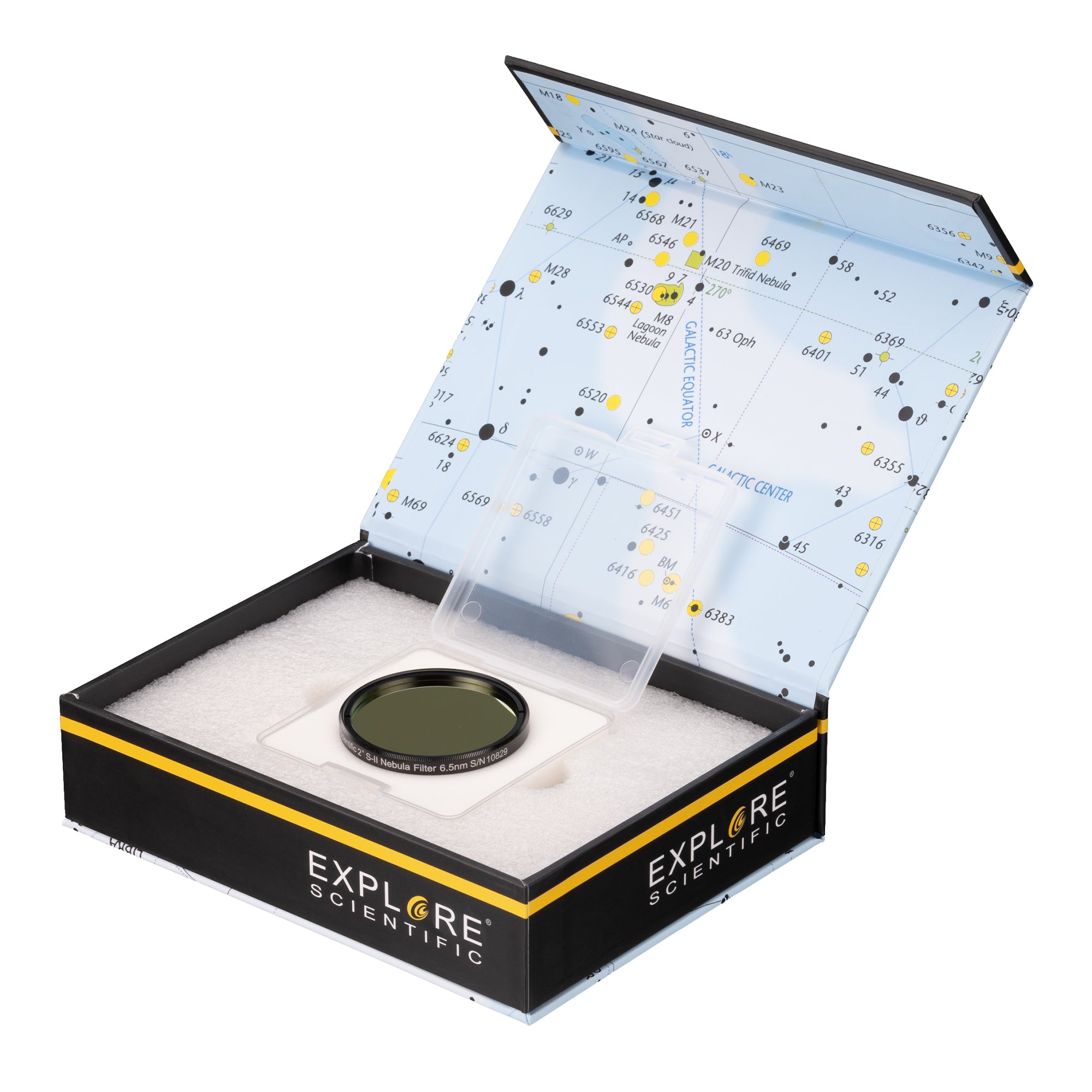
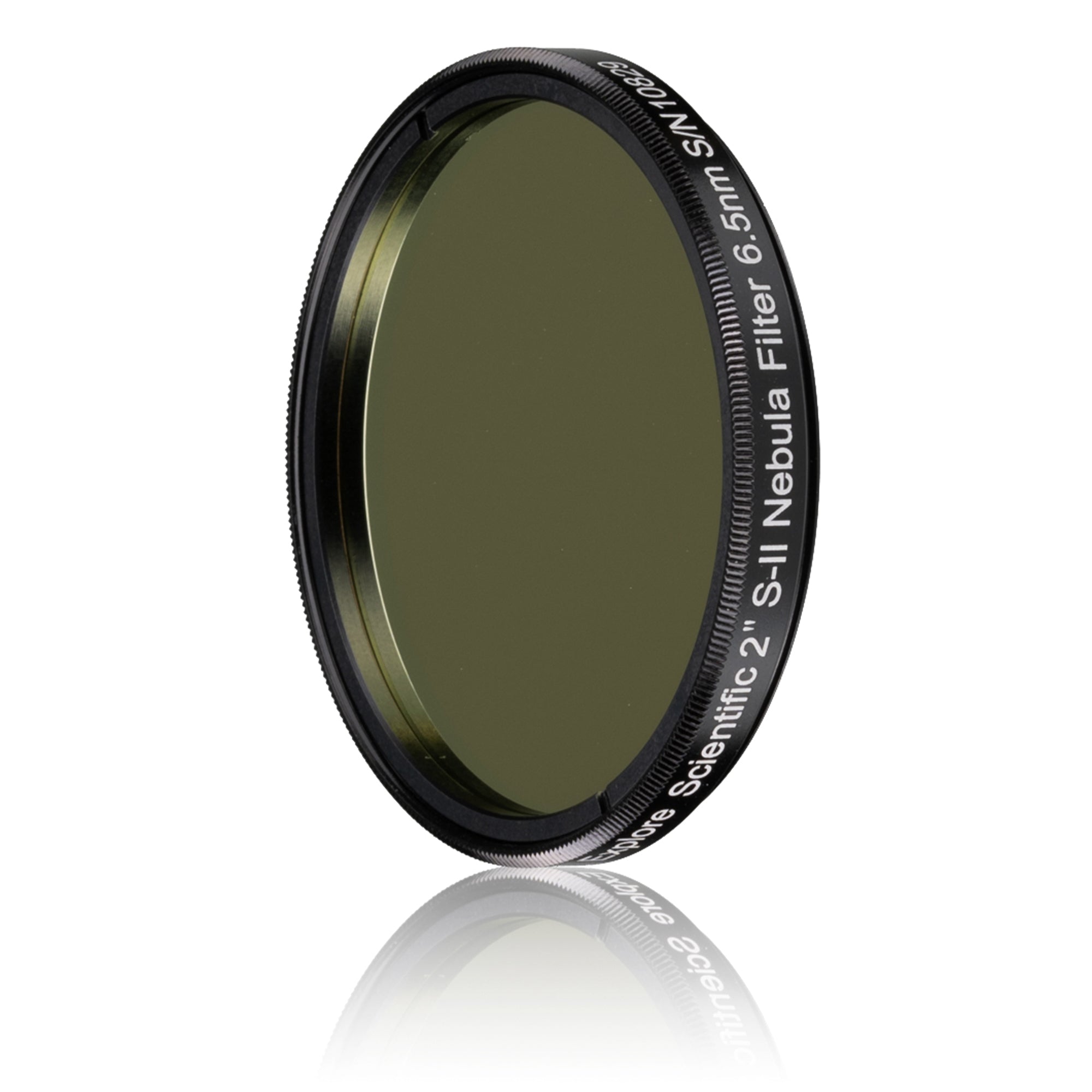
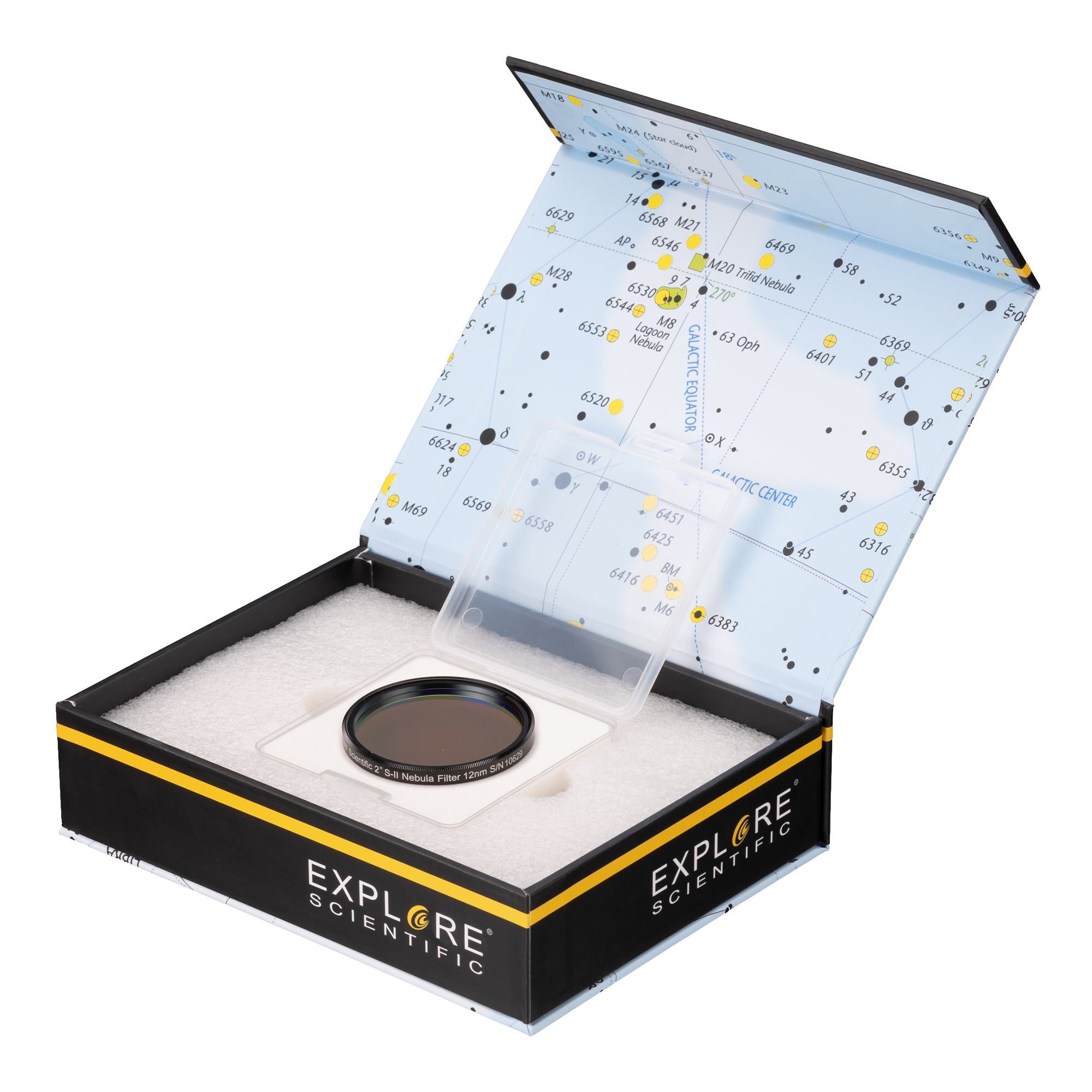
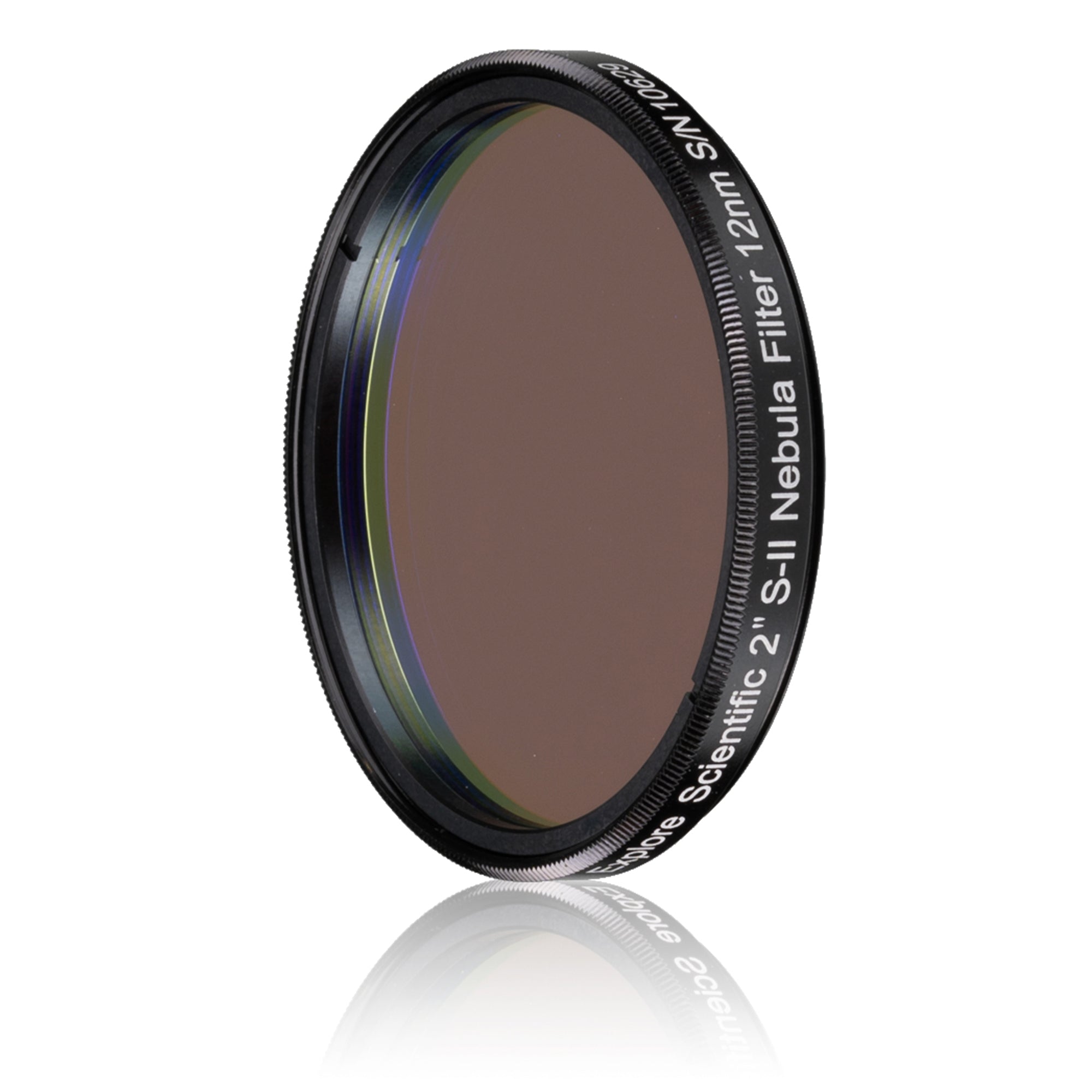
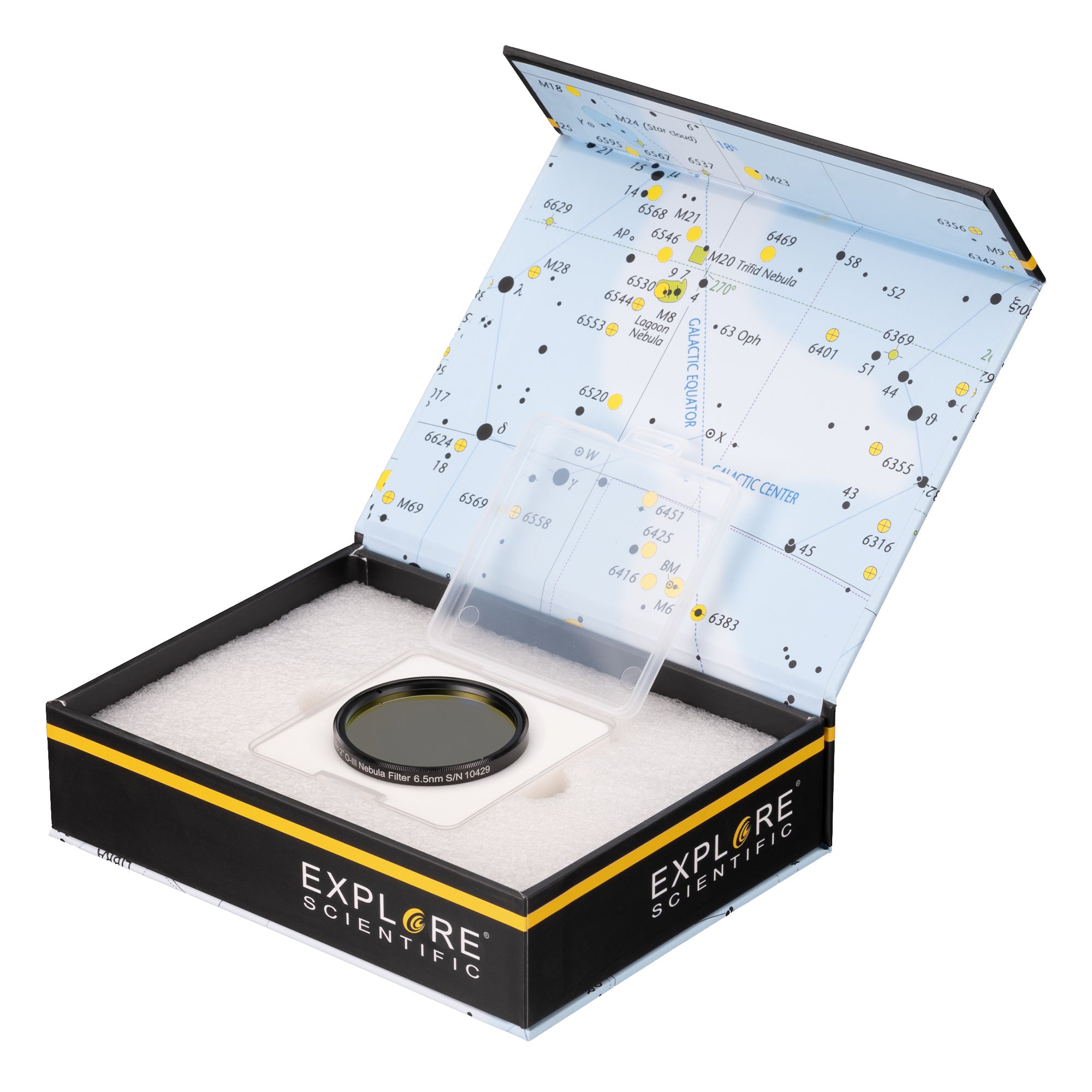
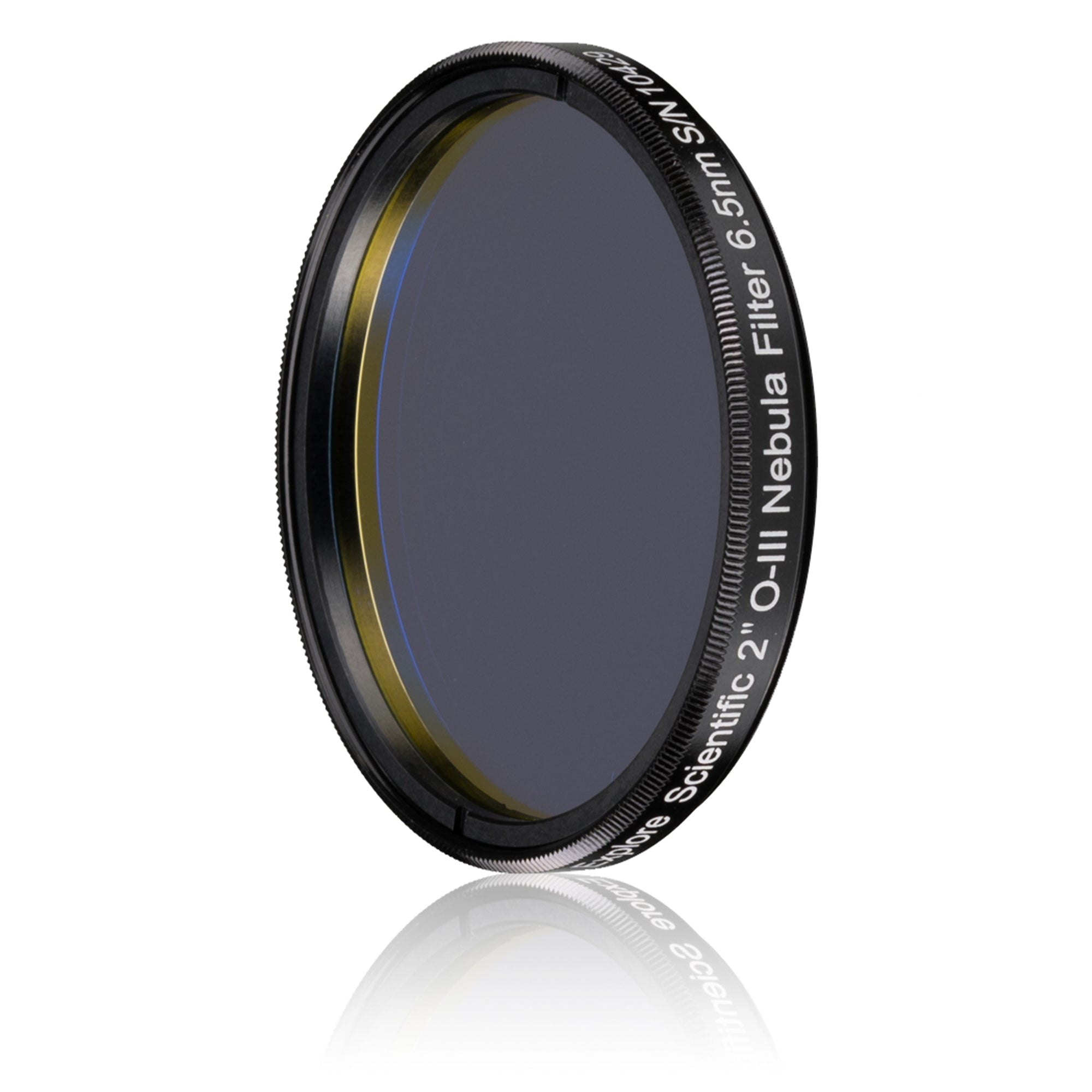
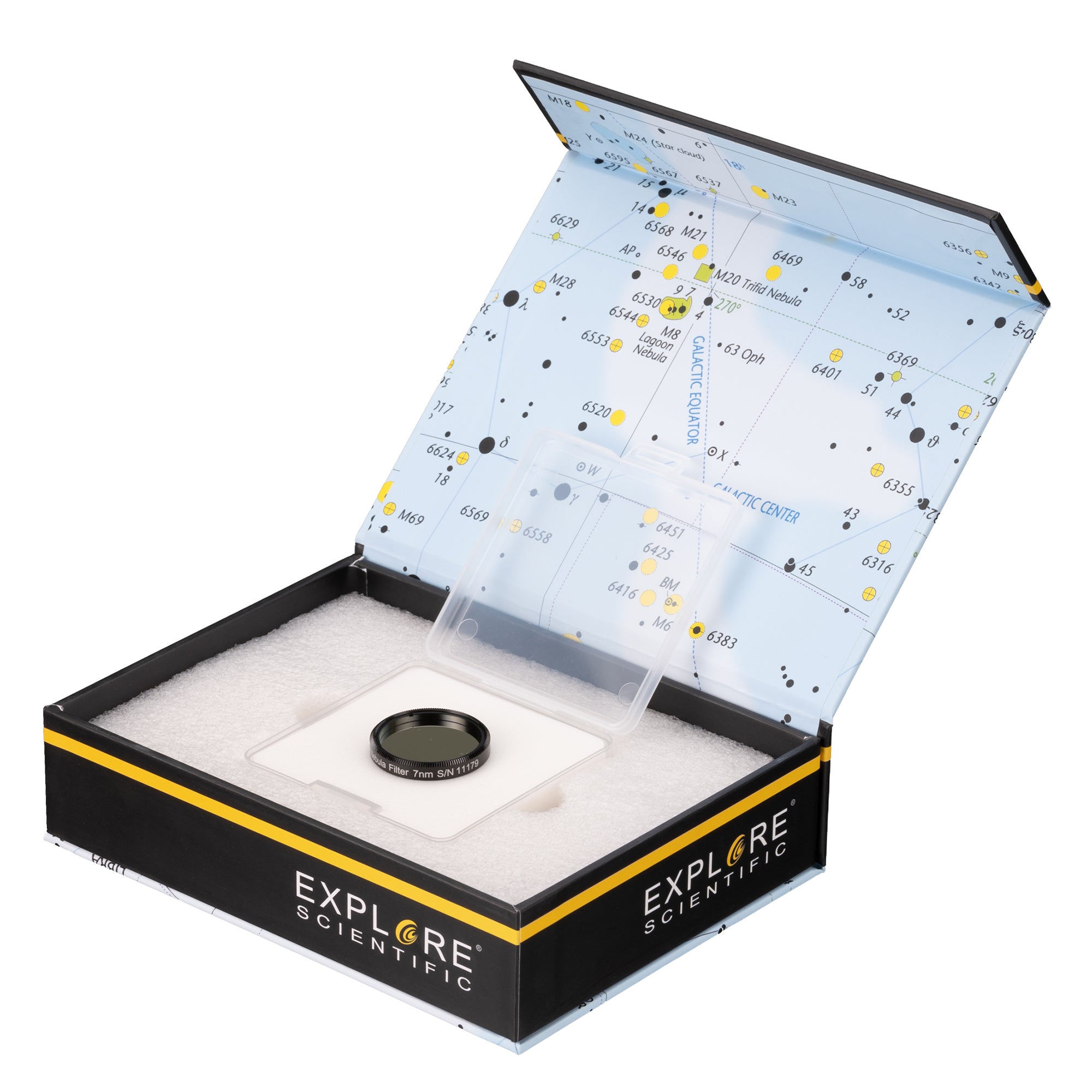
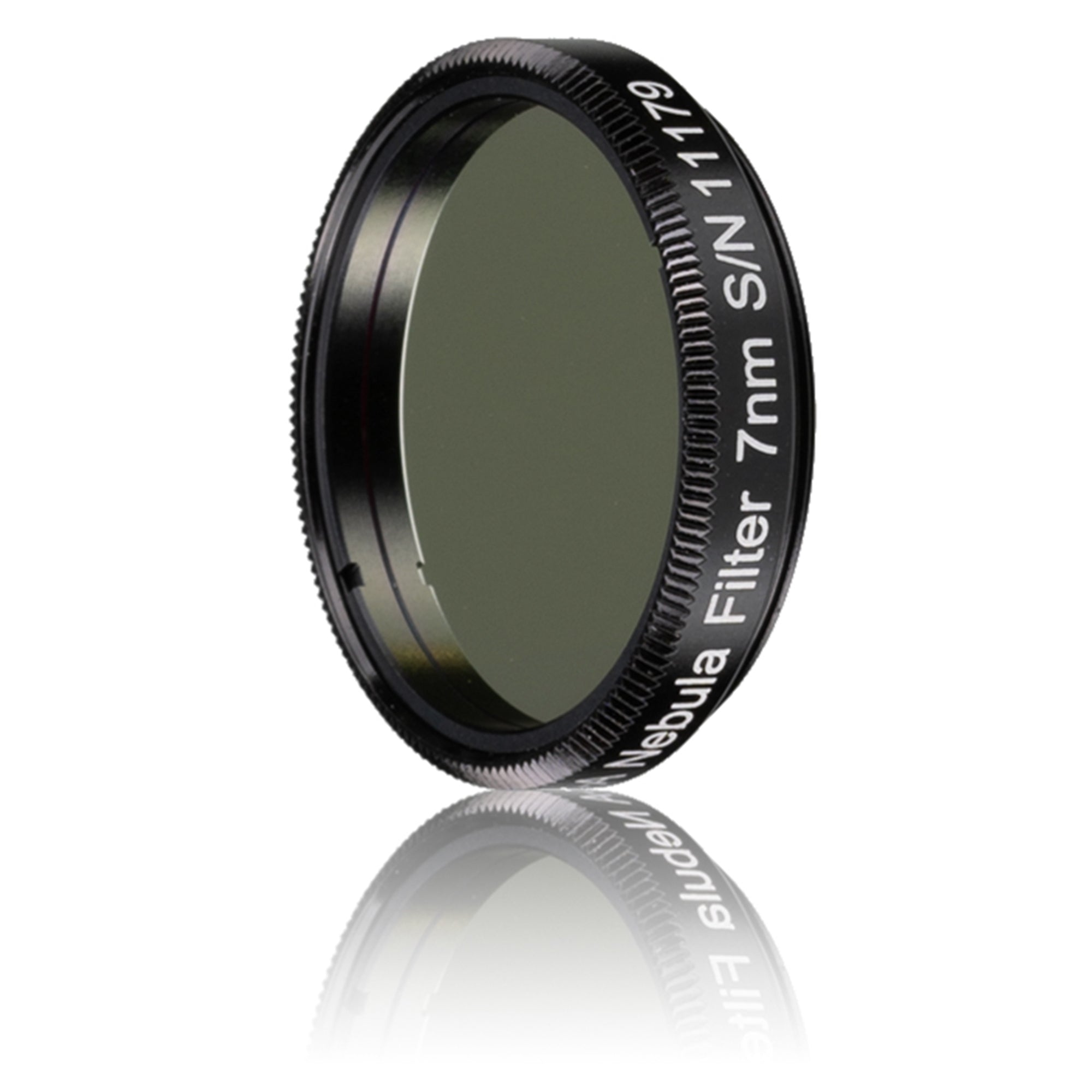
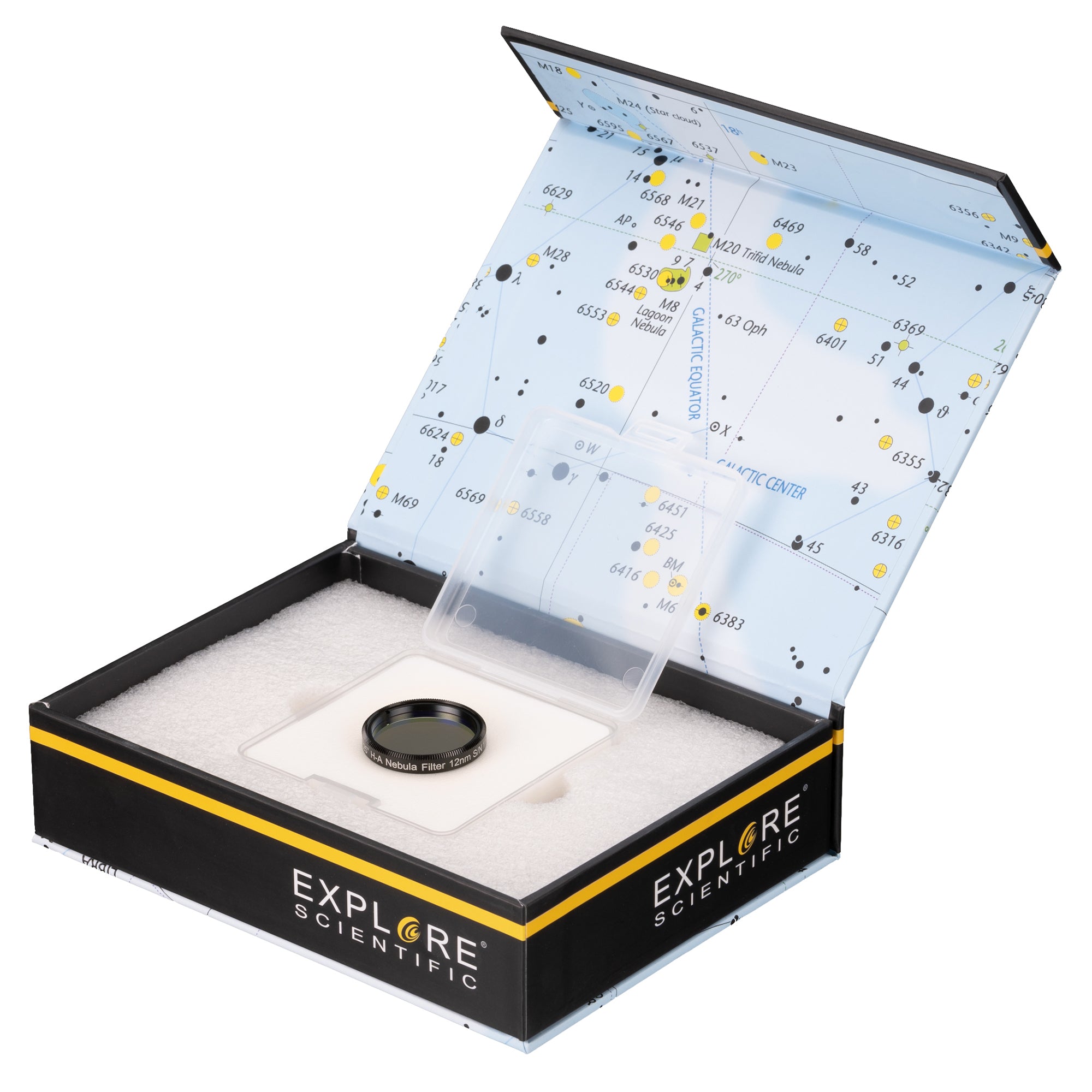
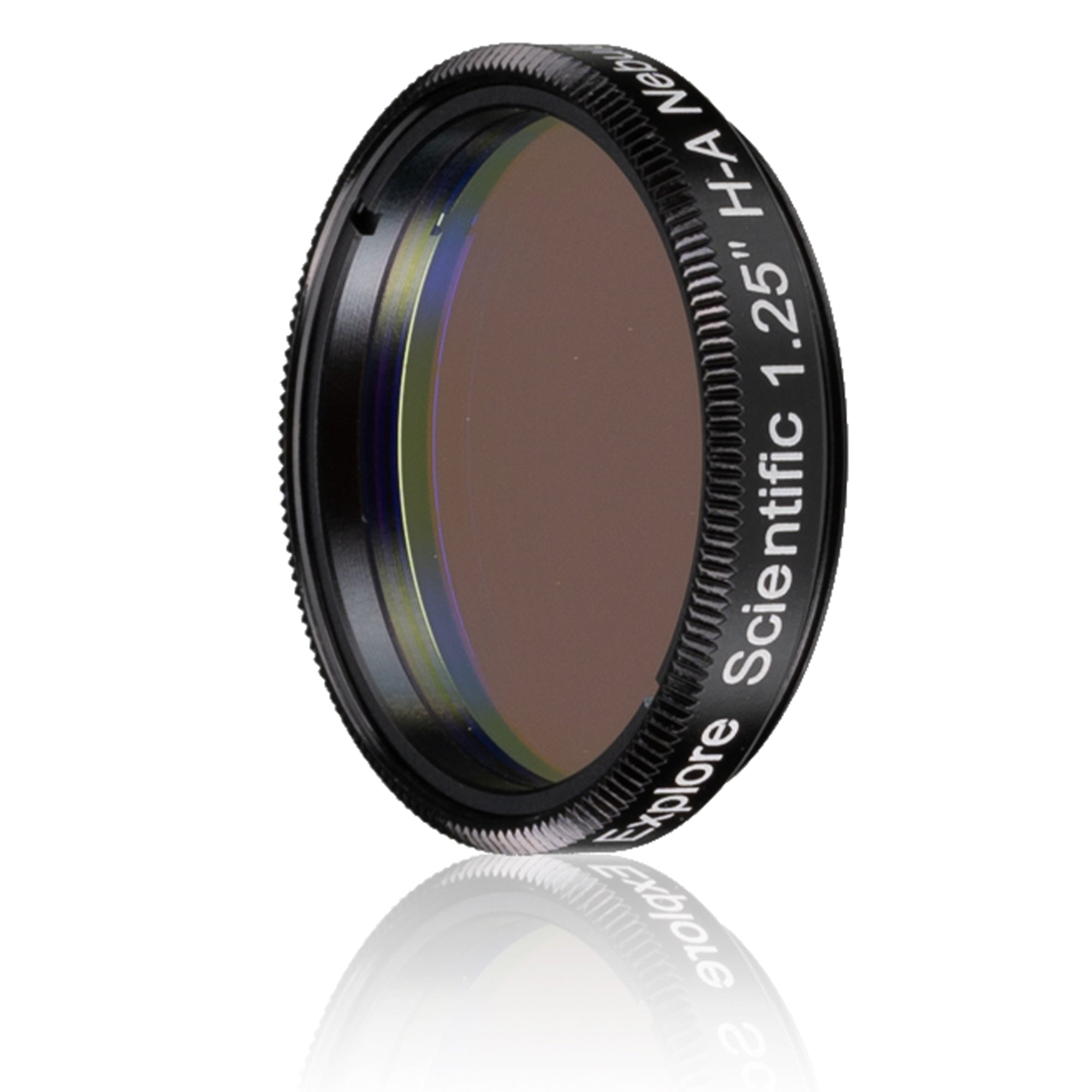
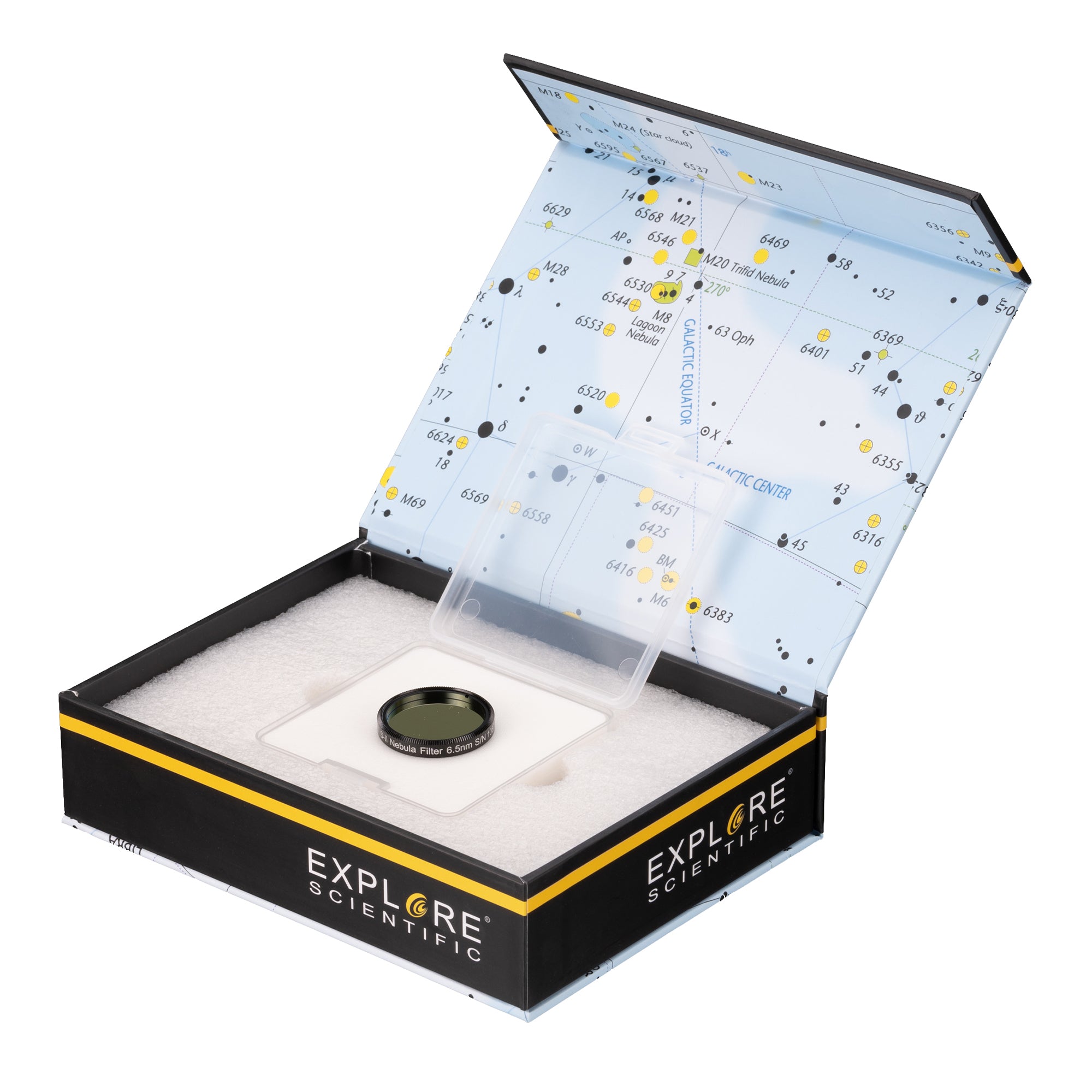
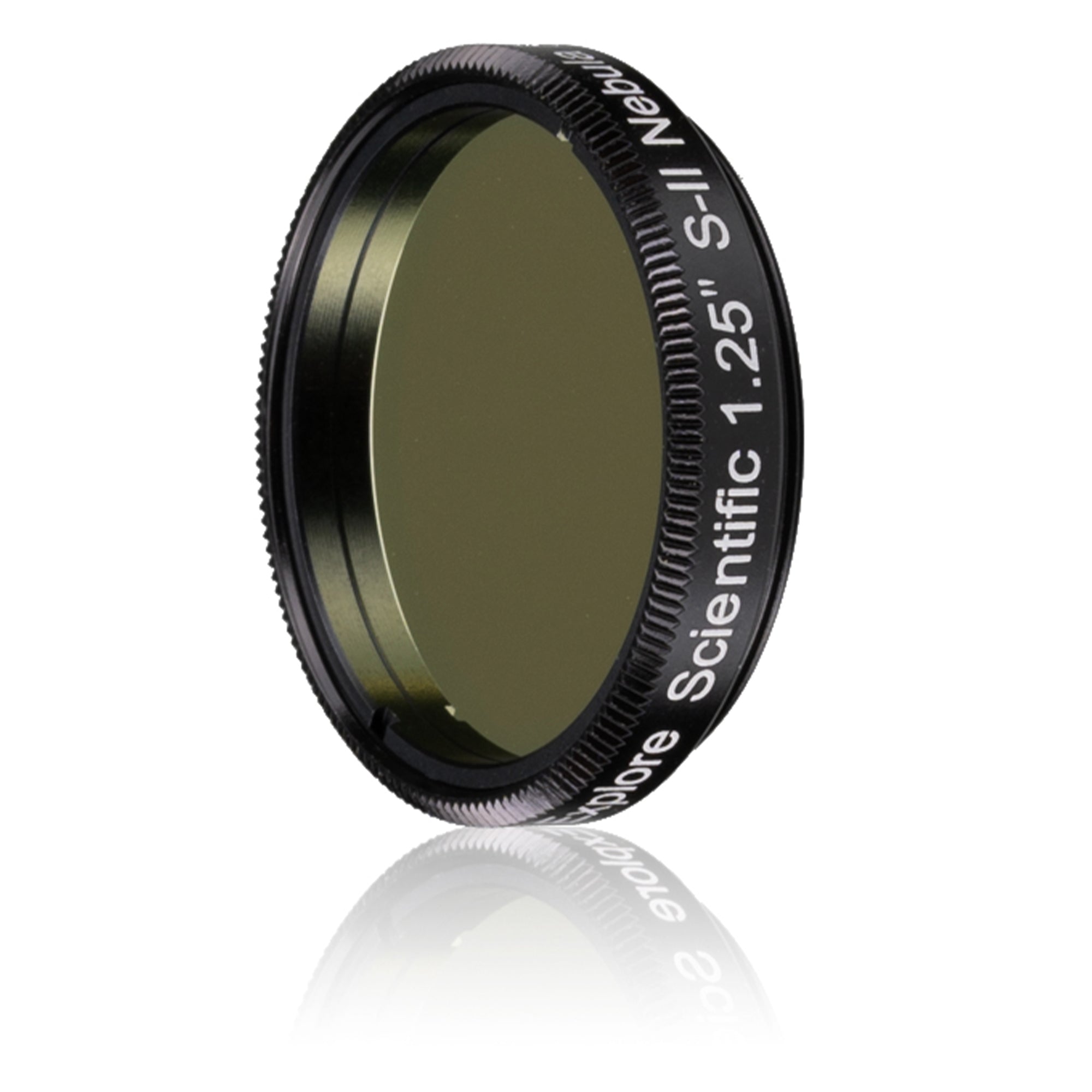
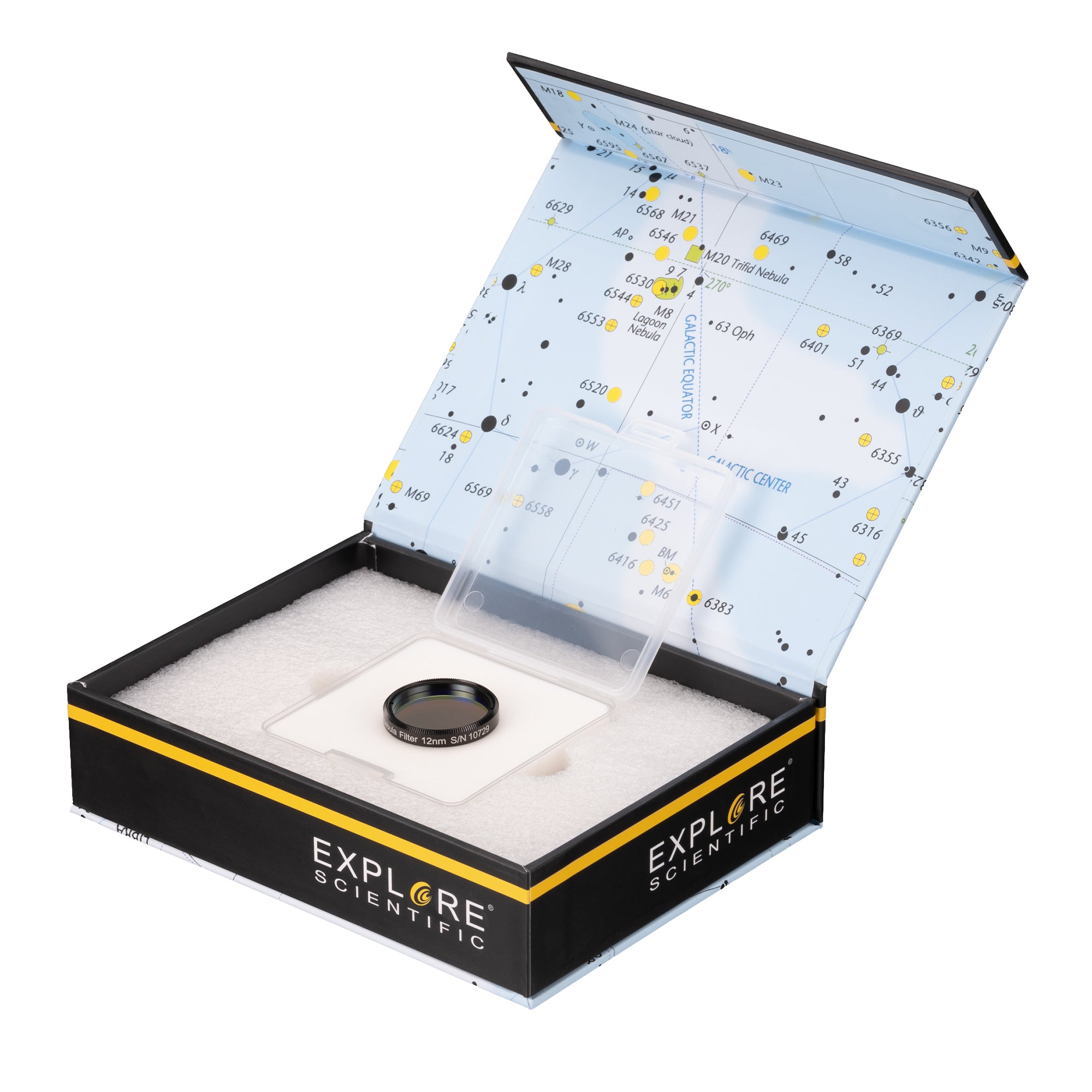
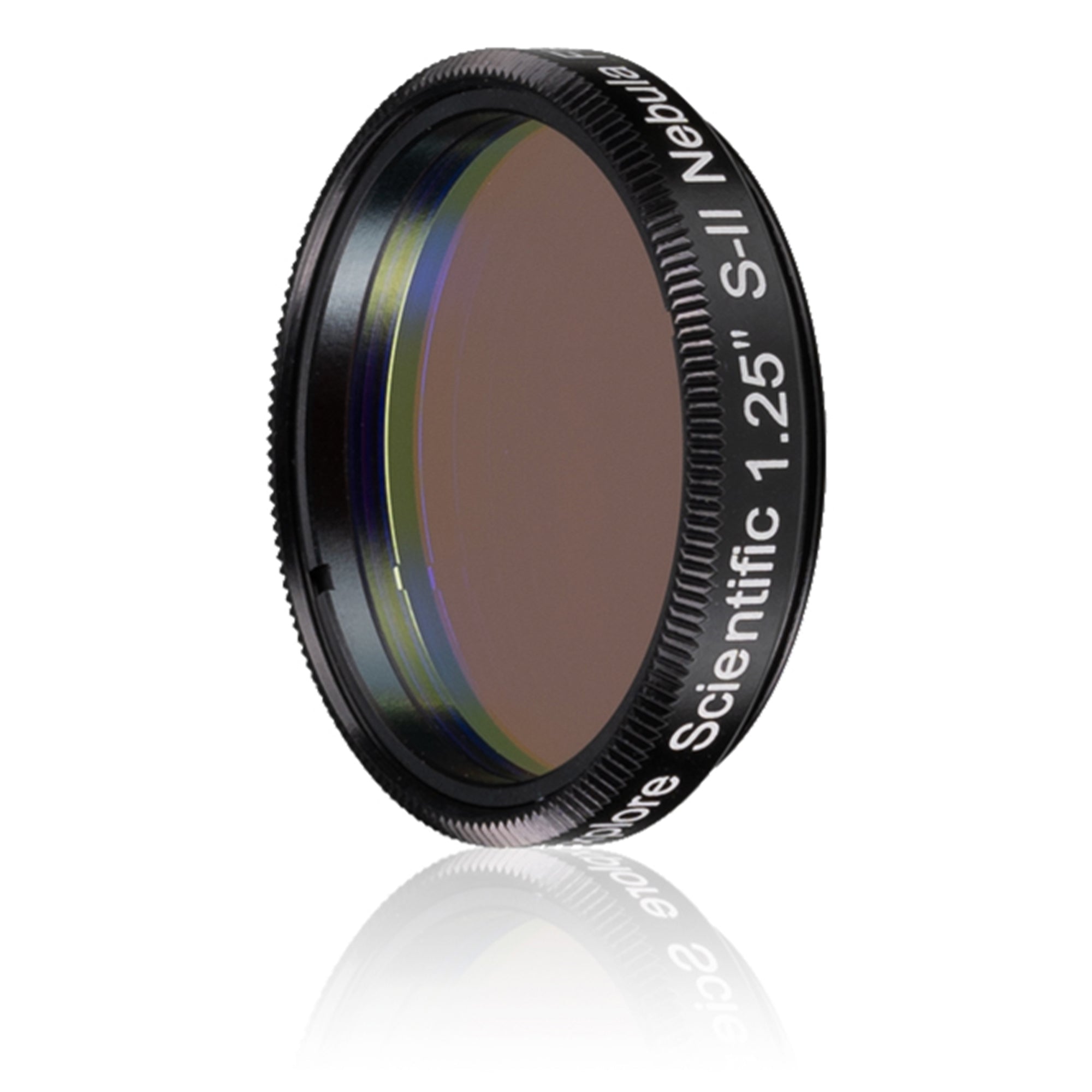
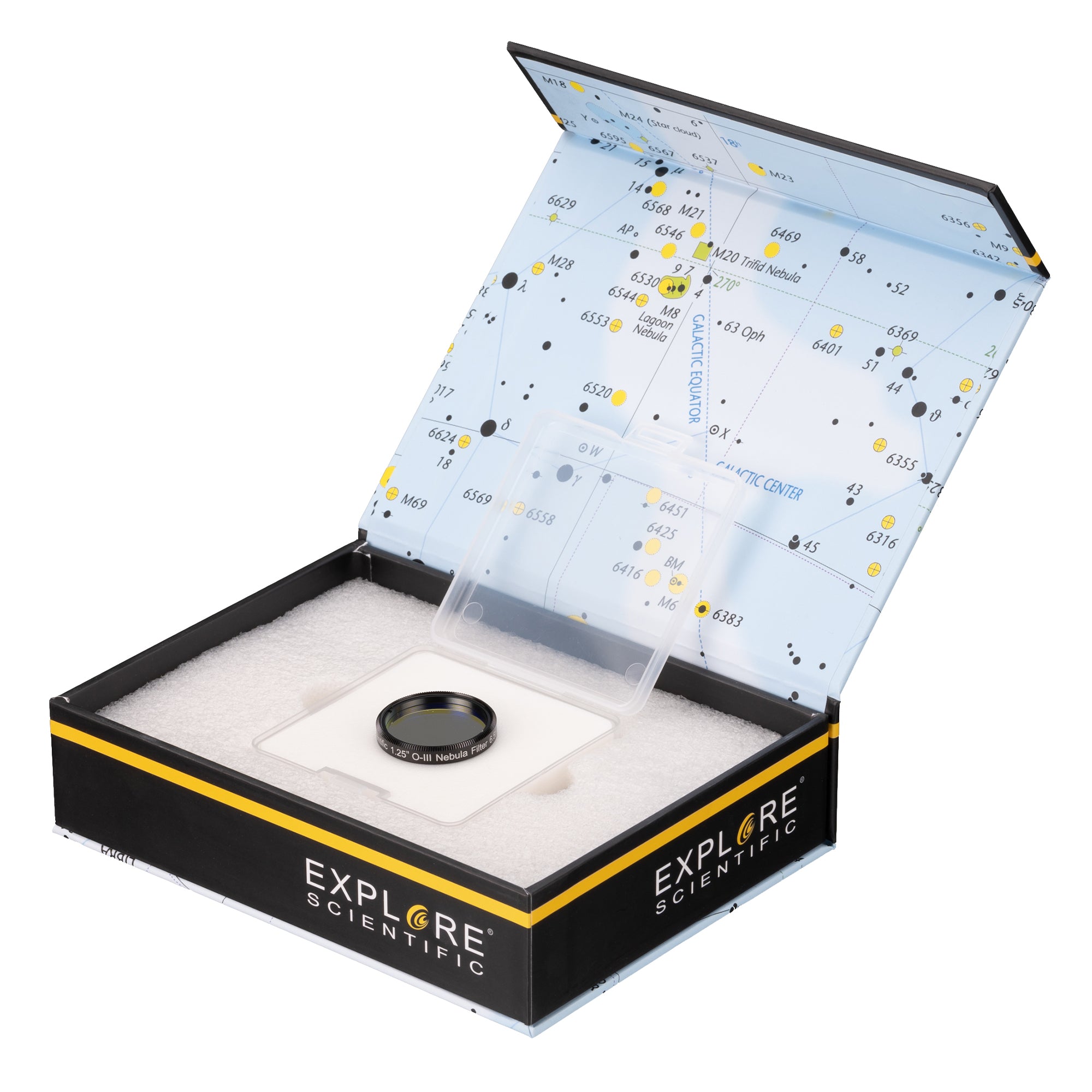
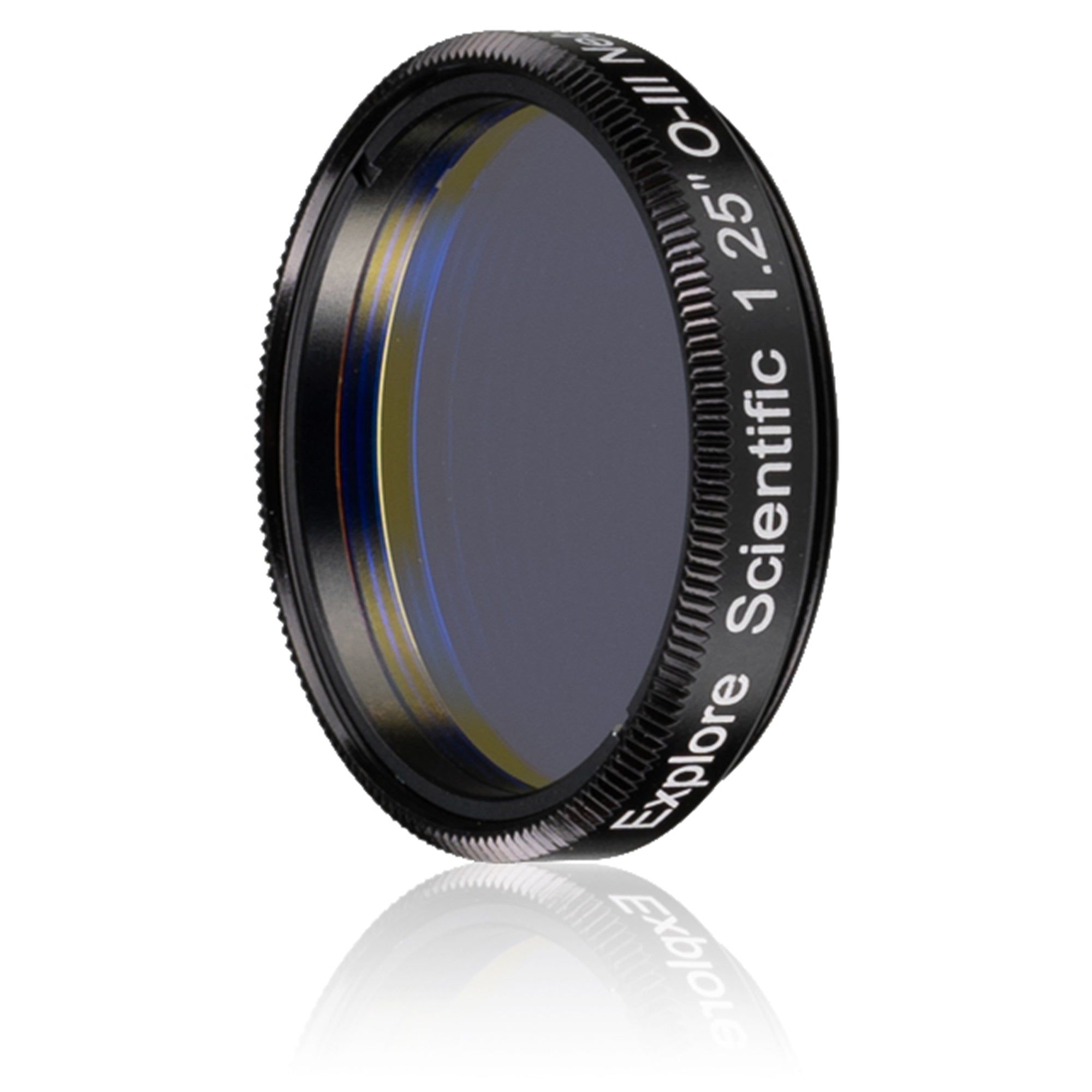
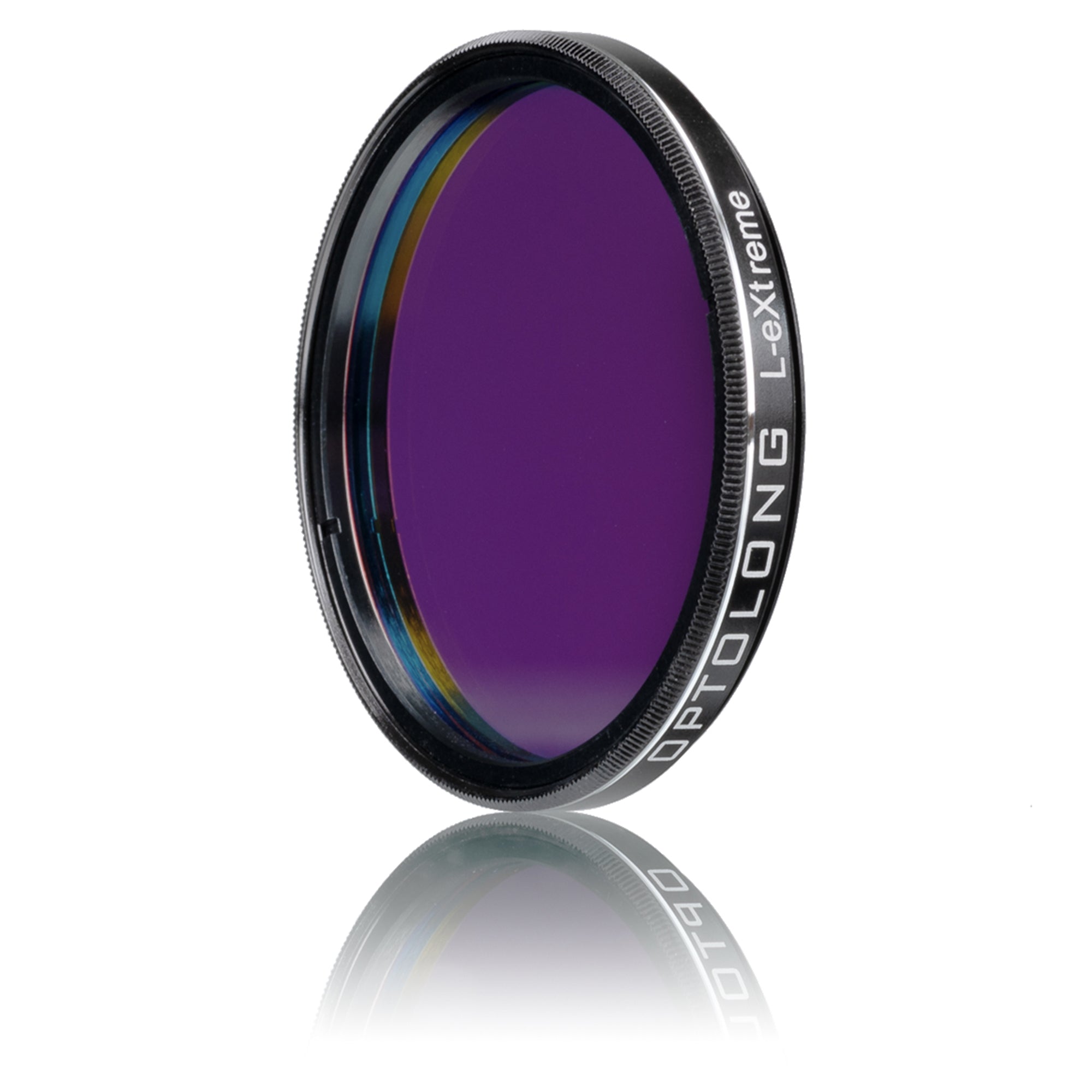
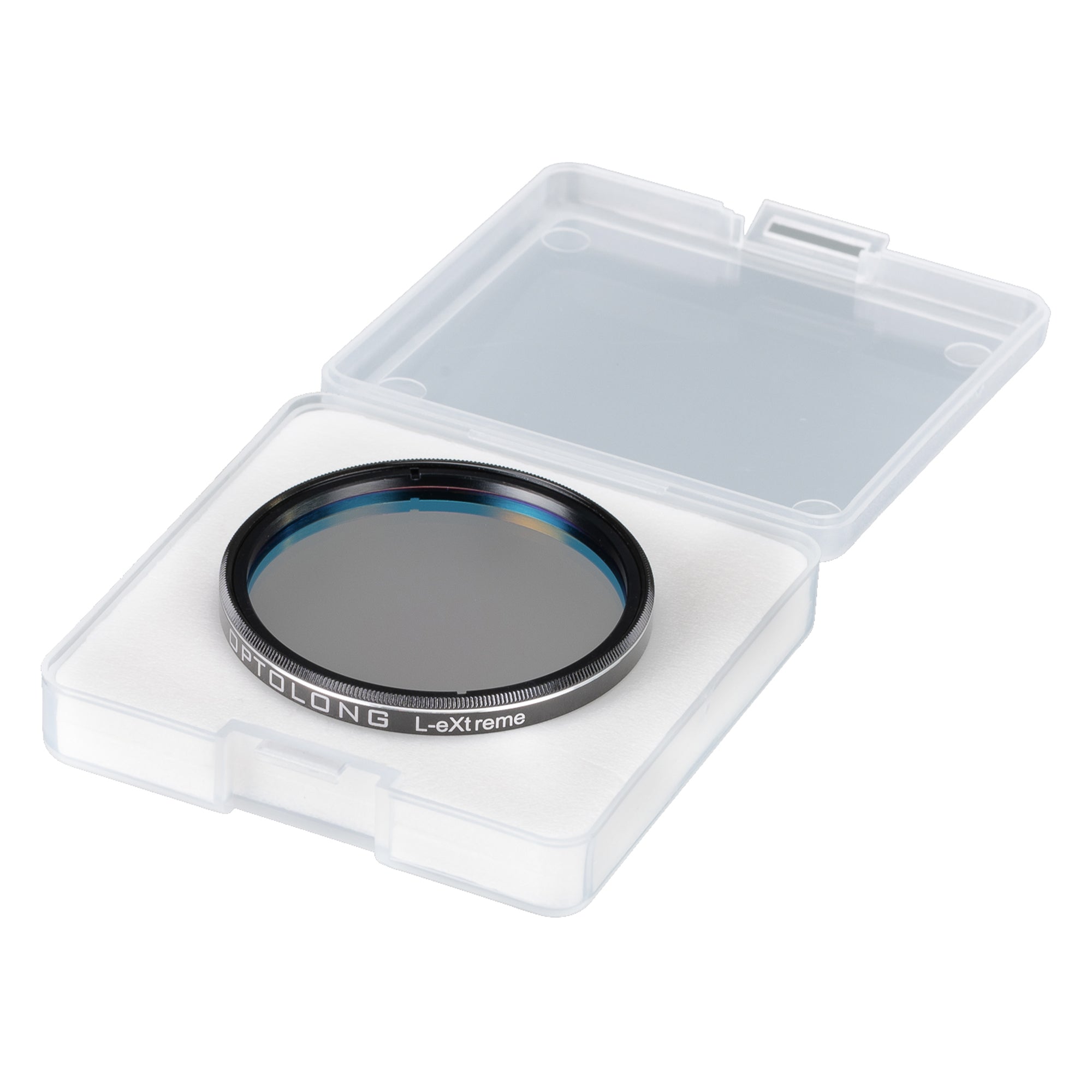
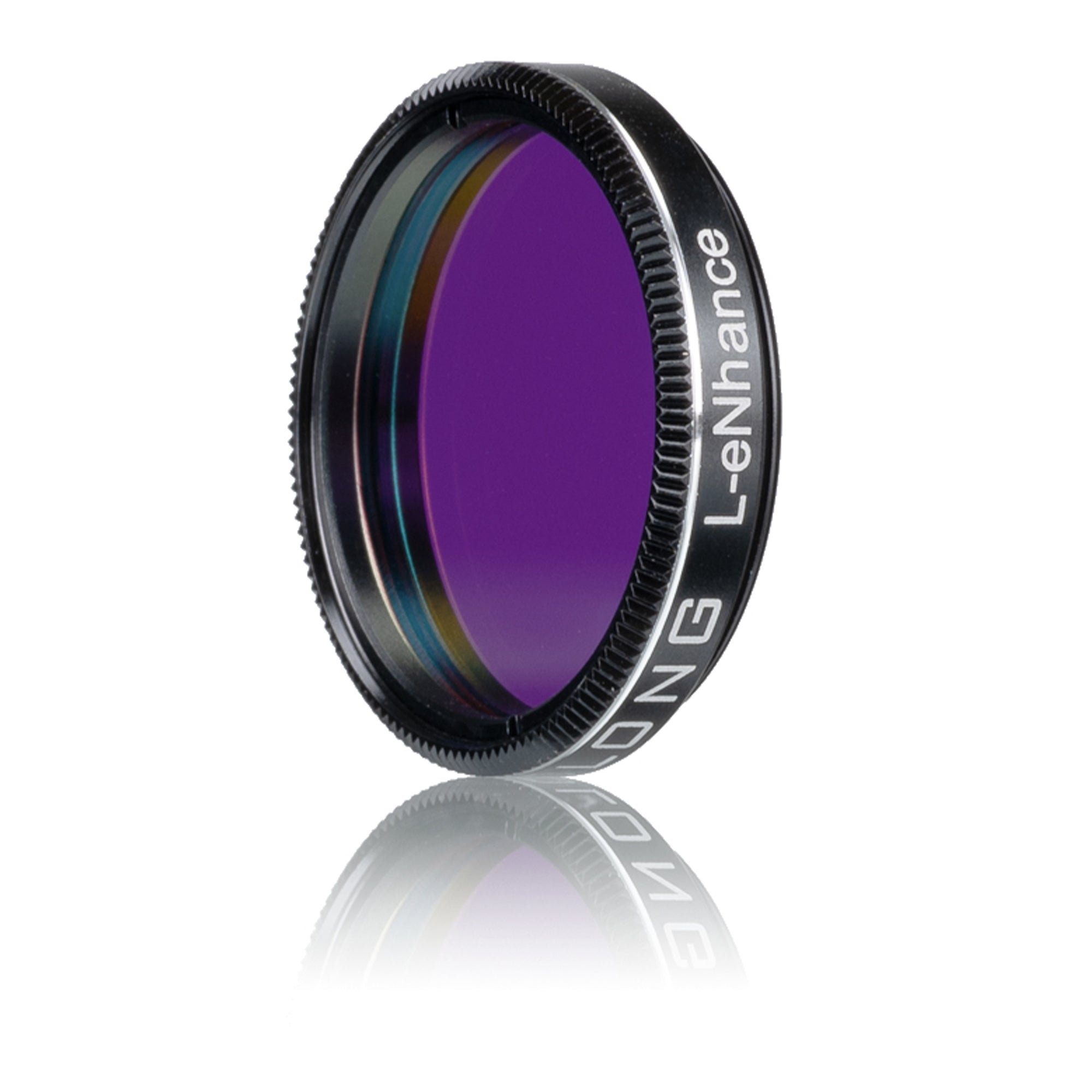
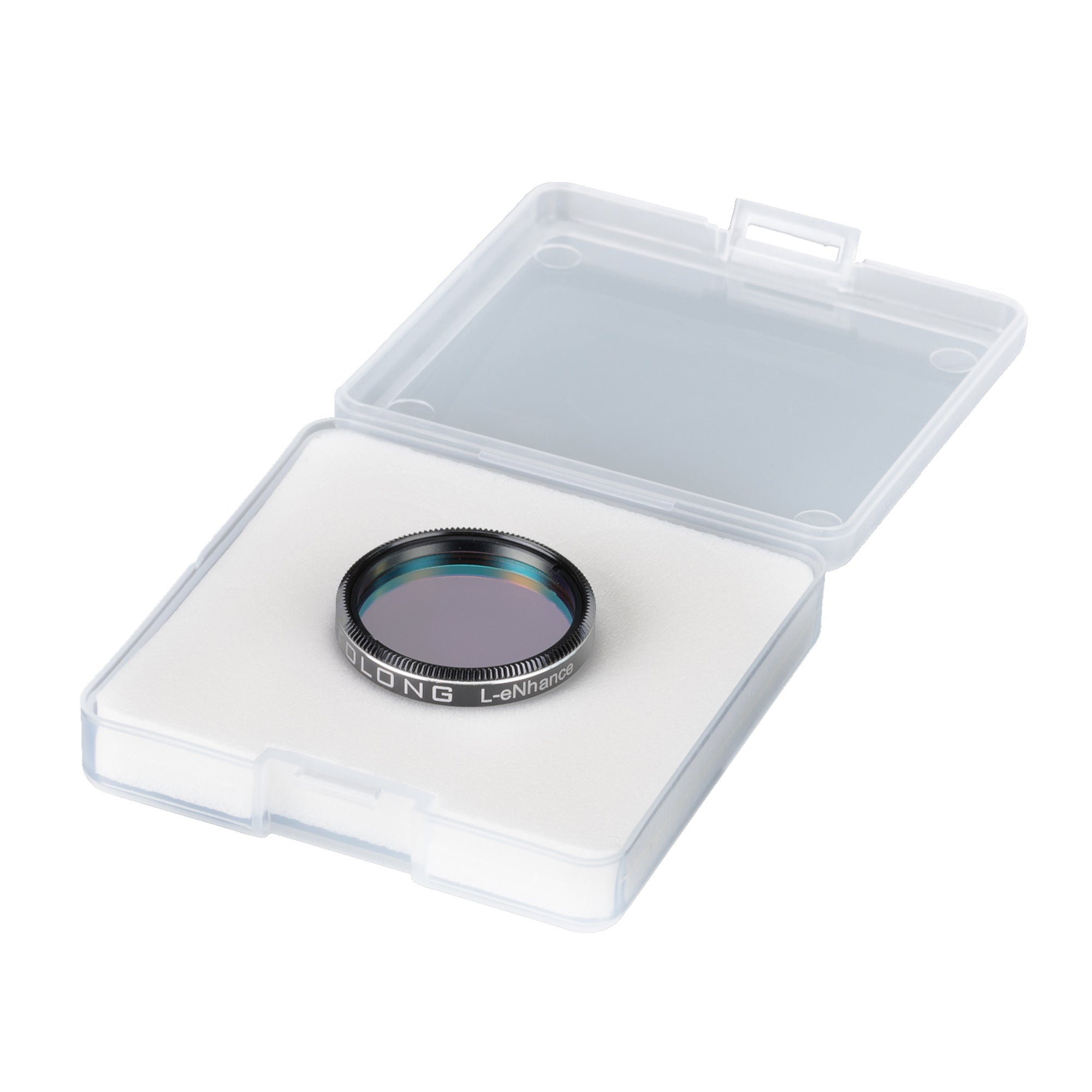
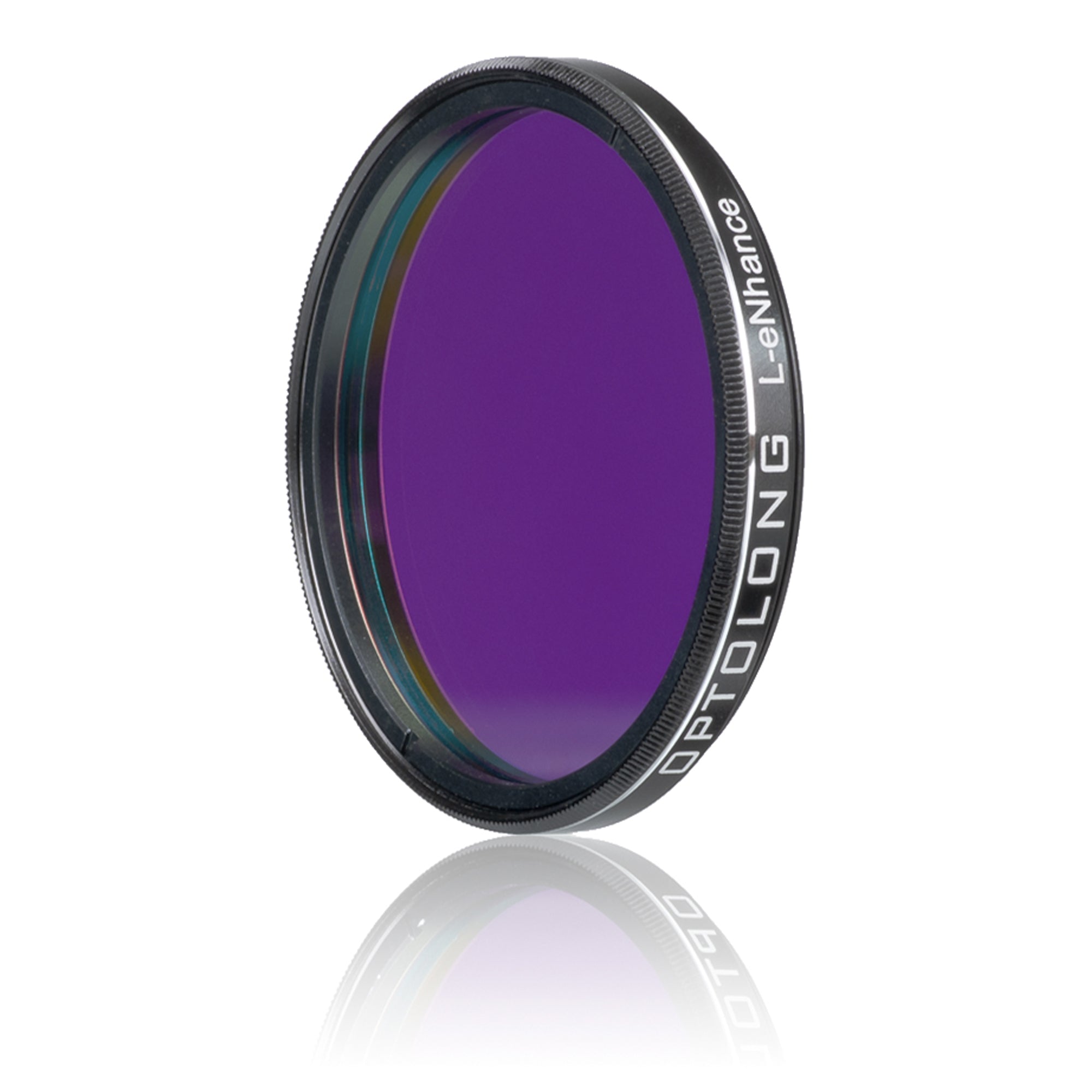
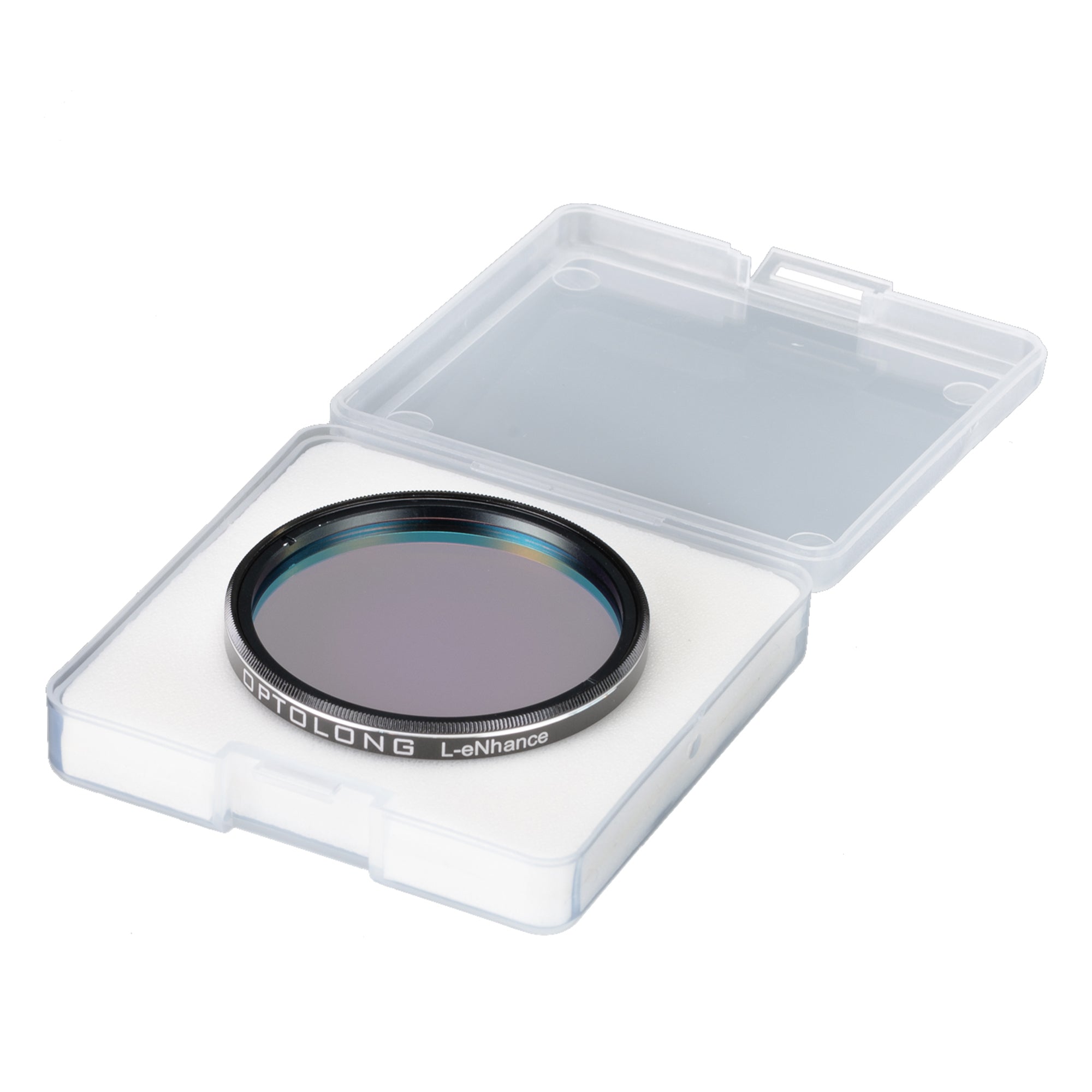
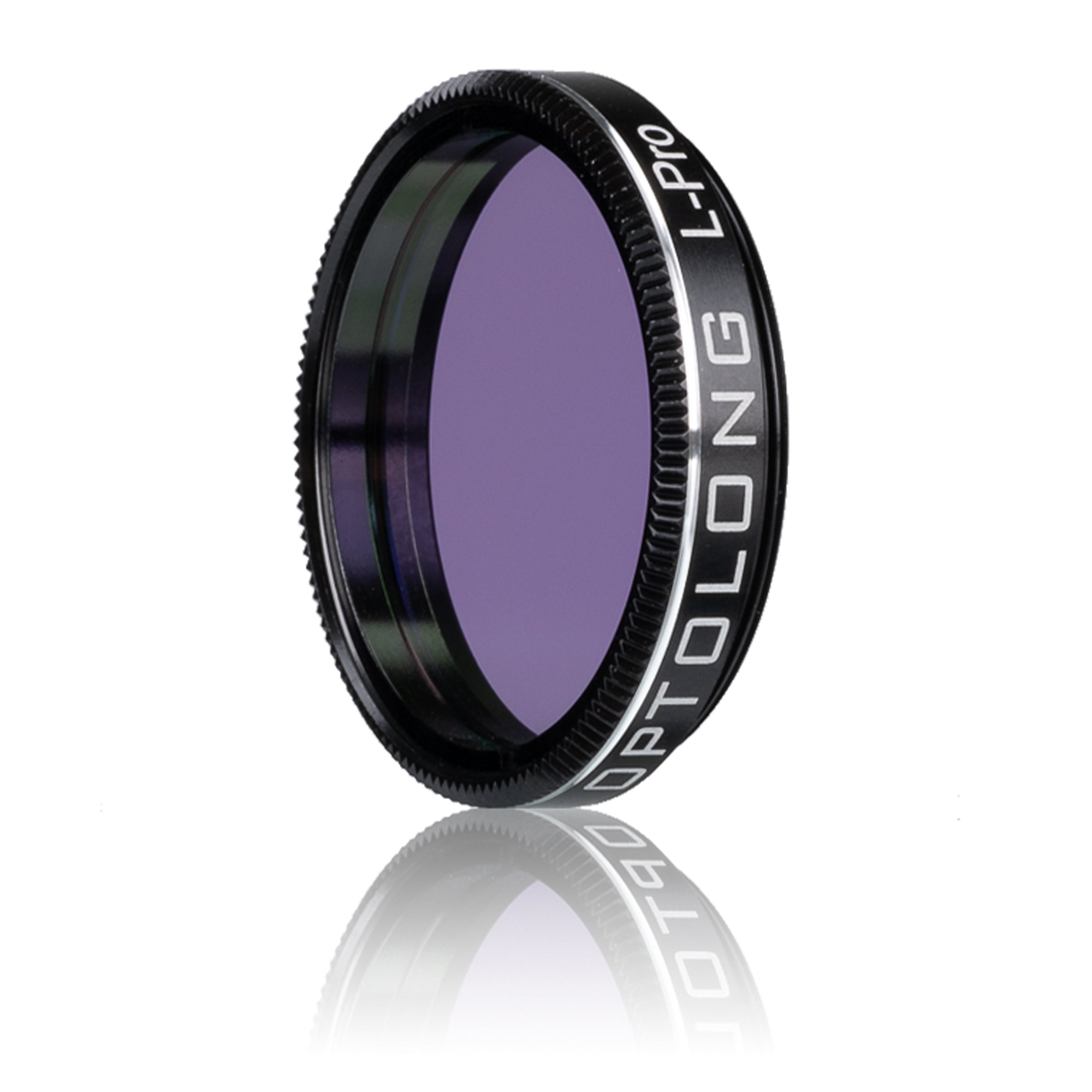
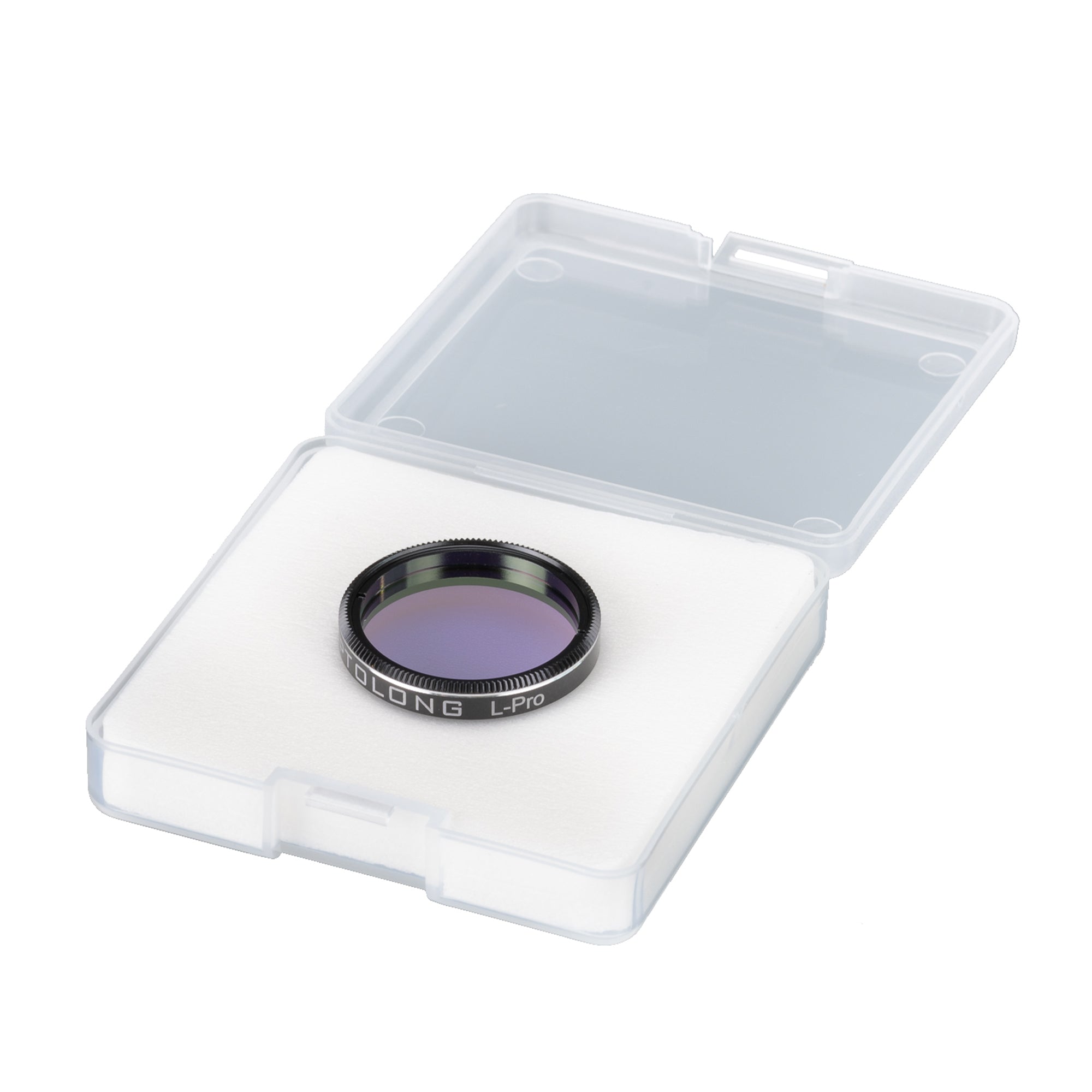
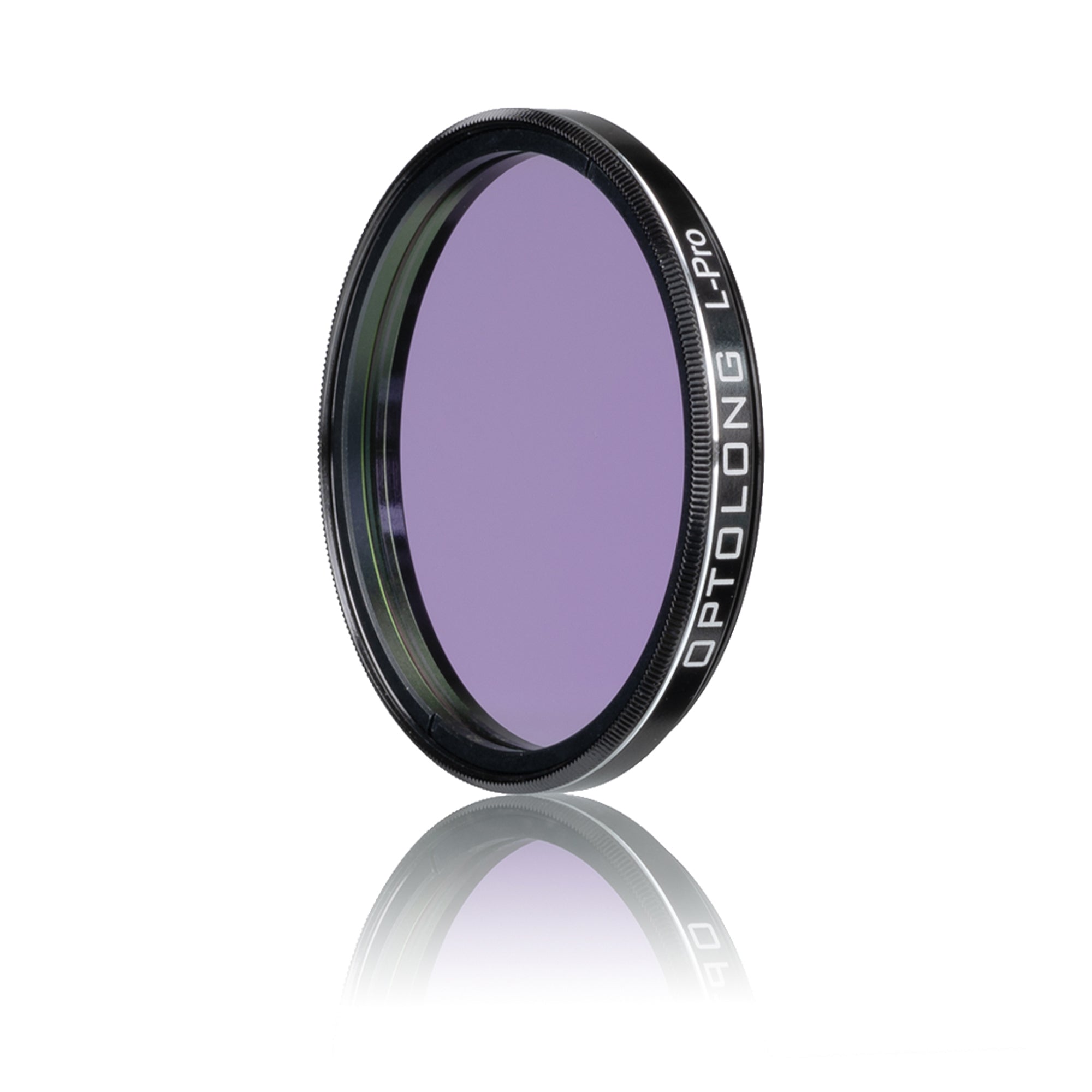
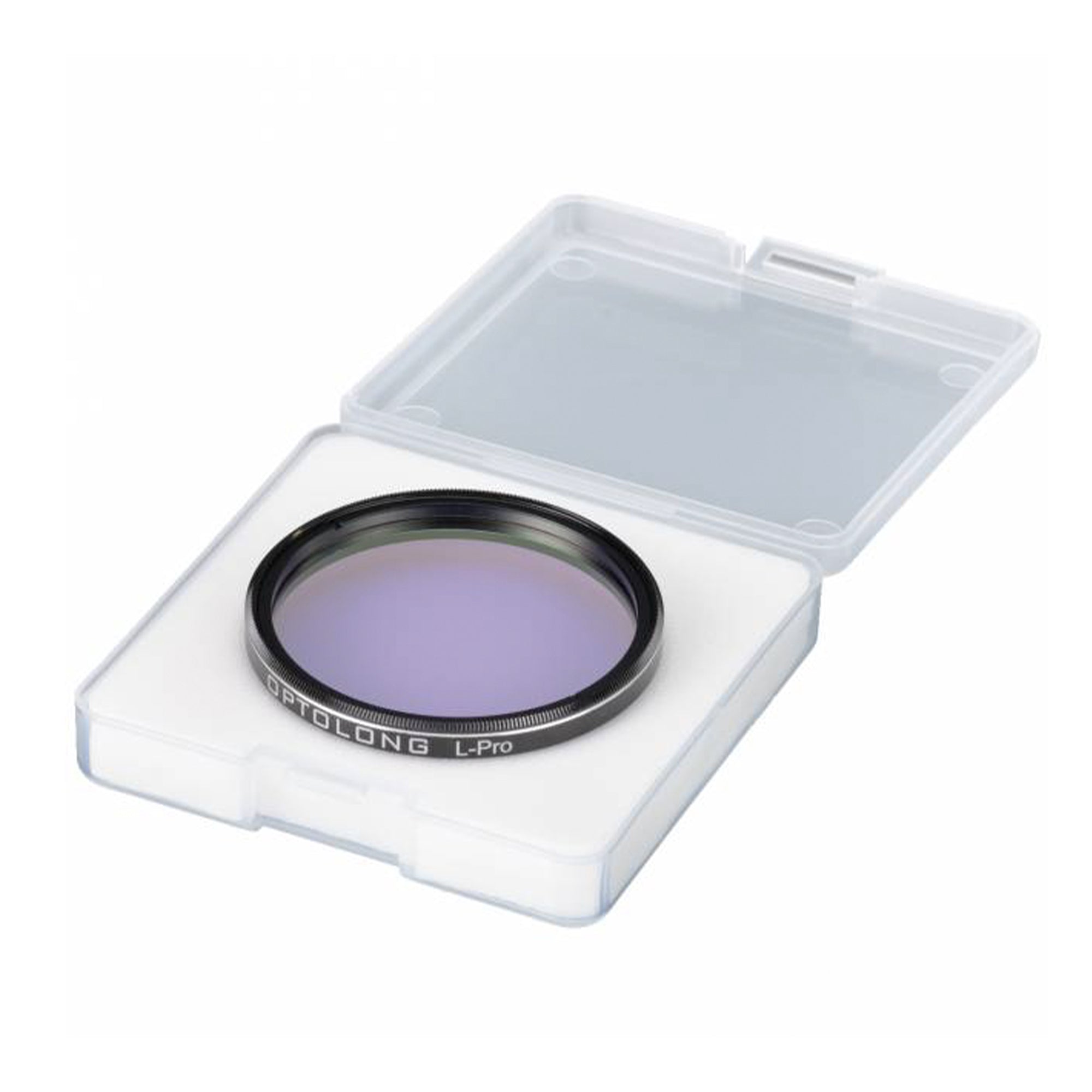
- Nebula filters increase contrast for emission nebulae under light-polluted skies.
- Solar filters allow safe daytime solar observation with proper installation.
Filters are essential for observers who want maximum clarity in any environment.
A telescope or spotting scope is only as good as its mount. Stability is critical for clear, shake-free viewing:
- Alt-azimuth mounts are intuitive and perfect for visual observing.
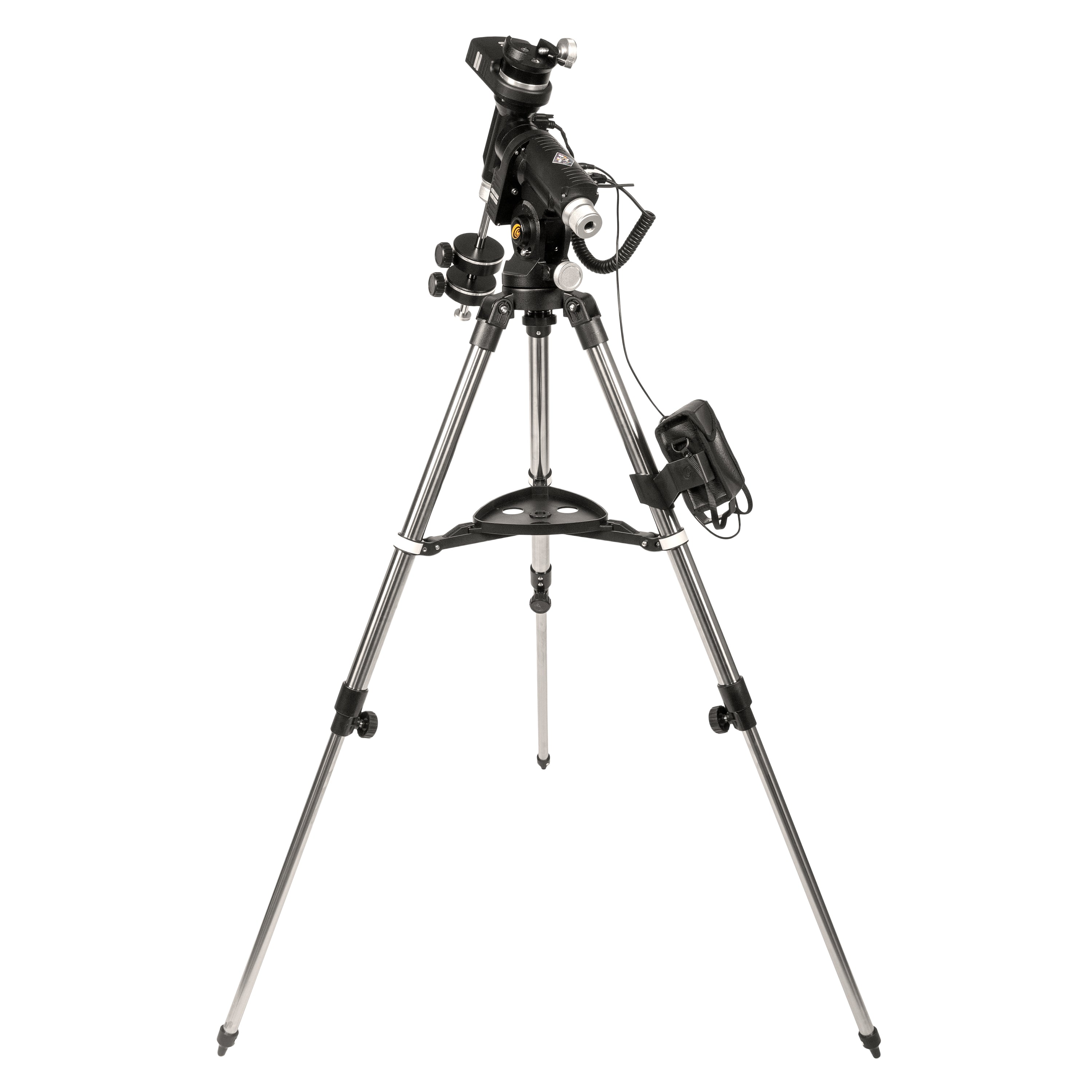
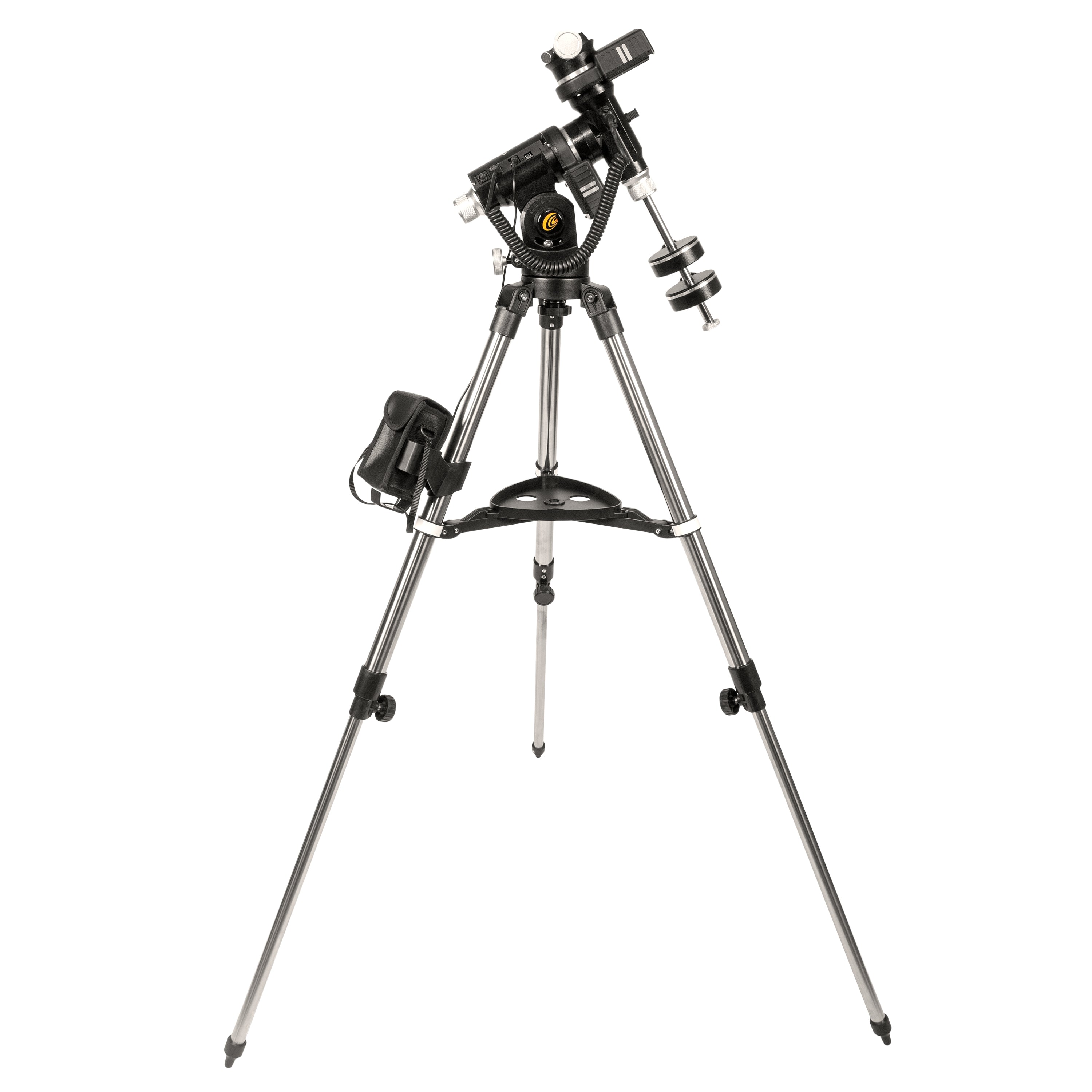
- Equatorial mounts align with Earth’s rotation, essential for tracking celestial objects or astrophotography.
- GoTo mounts include computerized navigation to automatically locate thousands of targets.
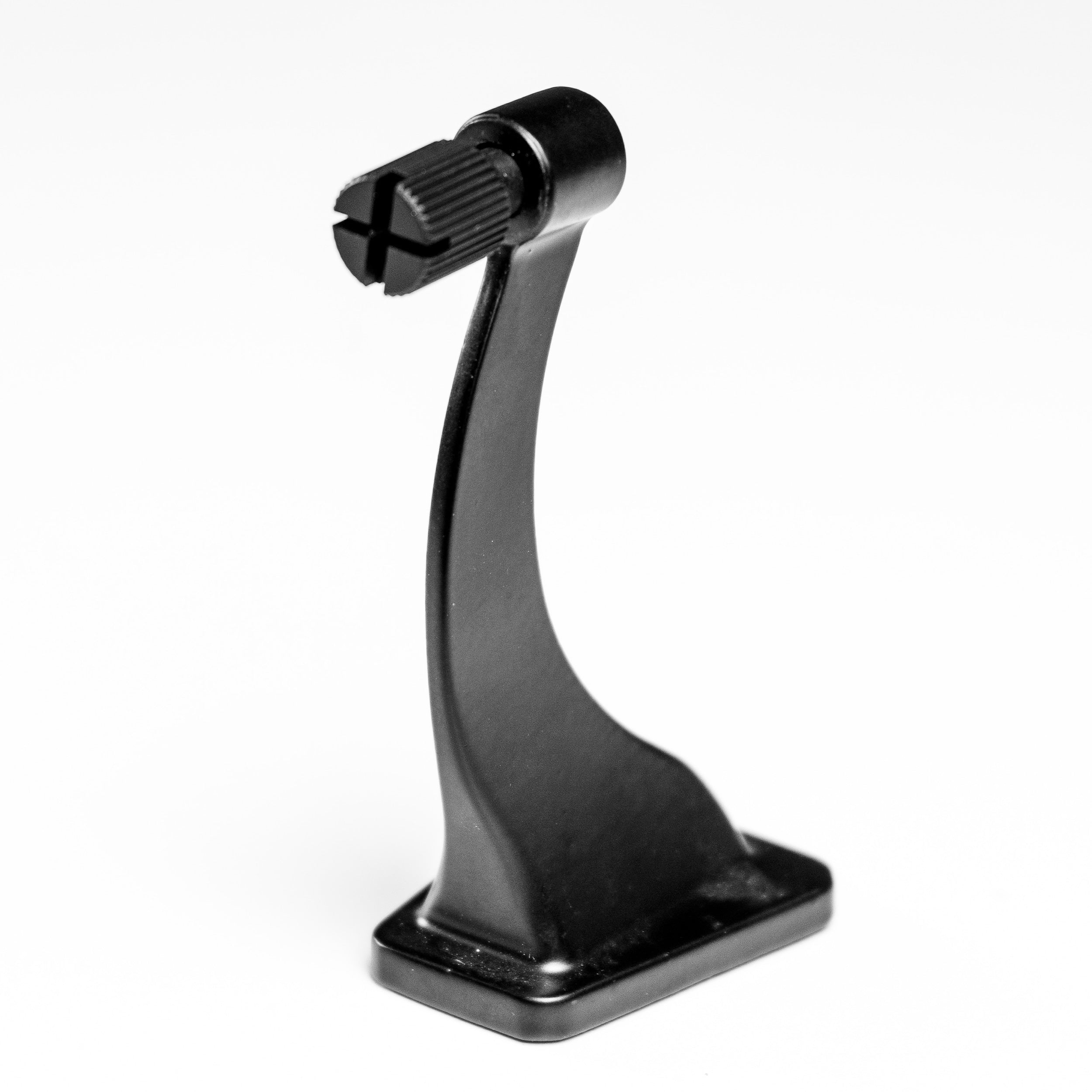
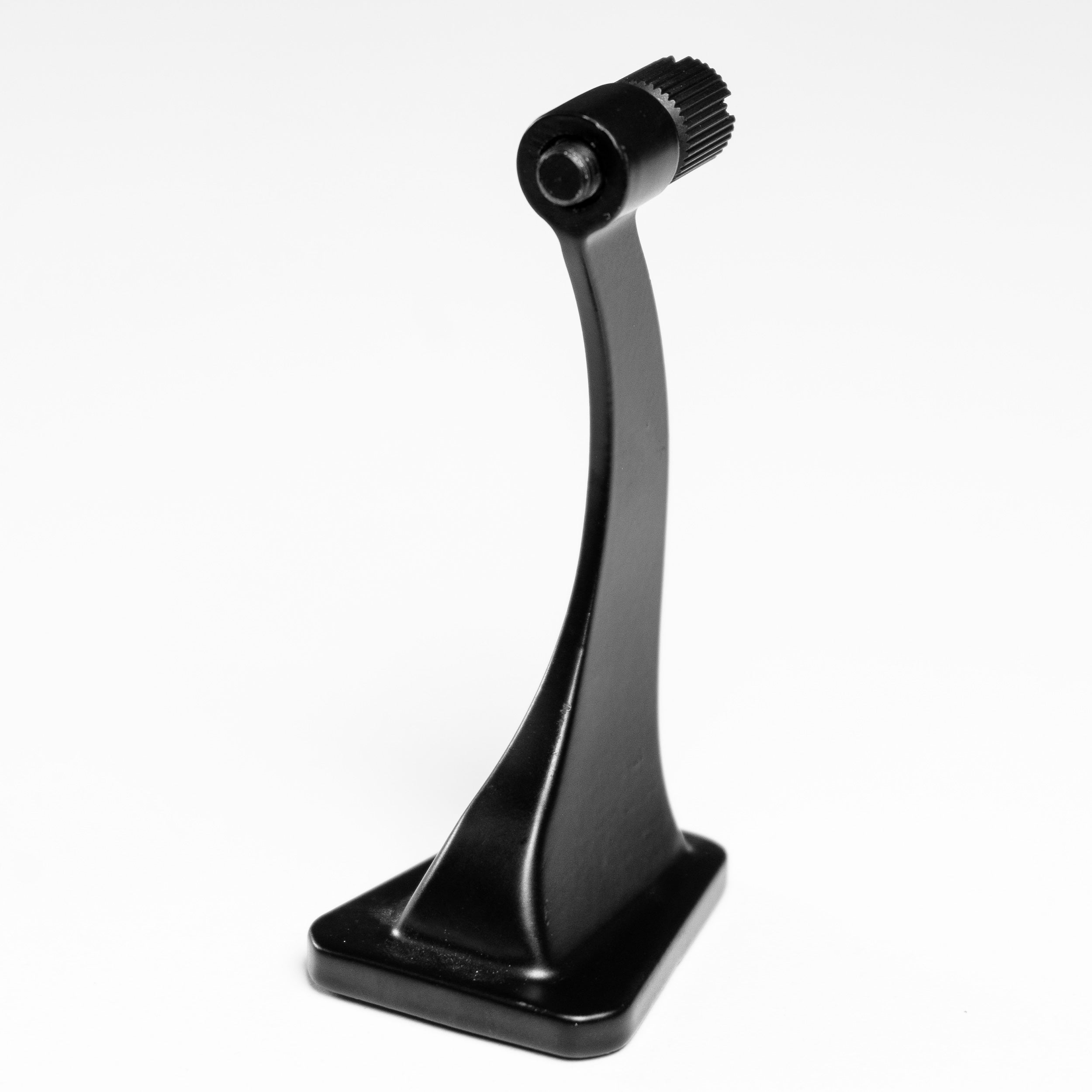
- Tripods and tabletop mounts provide portability and convenience for smaller scopes or binoculars.
Choosing the right mount or tripod enhances observing comfort and precision.
A comprehensive astronomy kit combines optics, mounts, and accessories for maximum performance:
- Telescopes with appropriate eyepieces and Barlow lenses for magnification flexibility.
- Spotting scopes and binoculars for scouting and portable observation.
- Finderscopes, diagonal mirrors, and optical filters.
- Tripods, counterweights, and power supplies for stability and extended tracking.
- Astrophotography adapters, field flatteners, and cameras for capturing celestial objects.
Integrating the right combination ensures a seamless observing experience.
Many Explore Scientific products support astrophotography:
- Equatorial mounts with motor drives for long-exposure imaging.
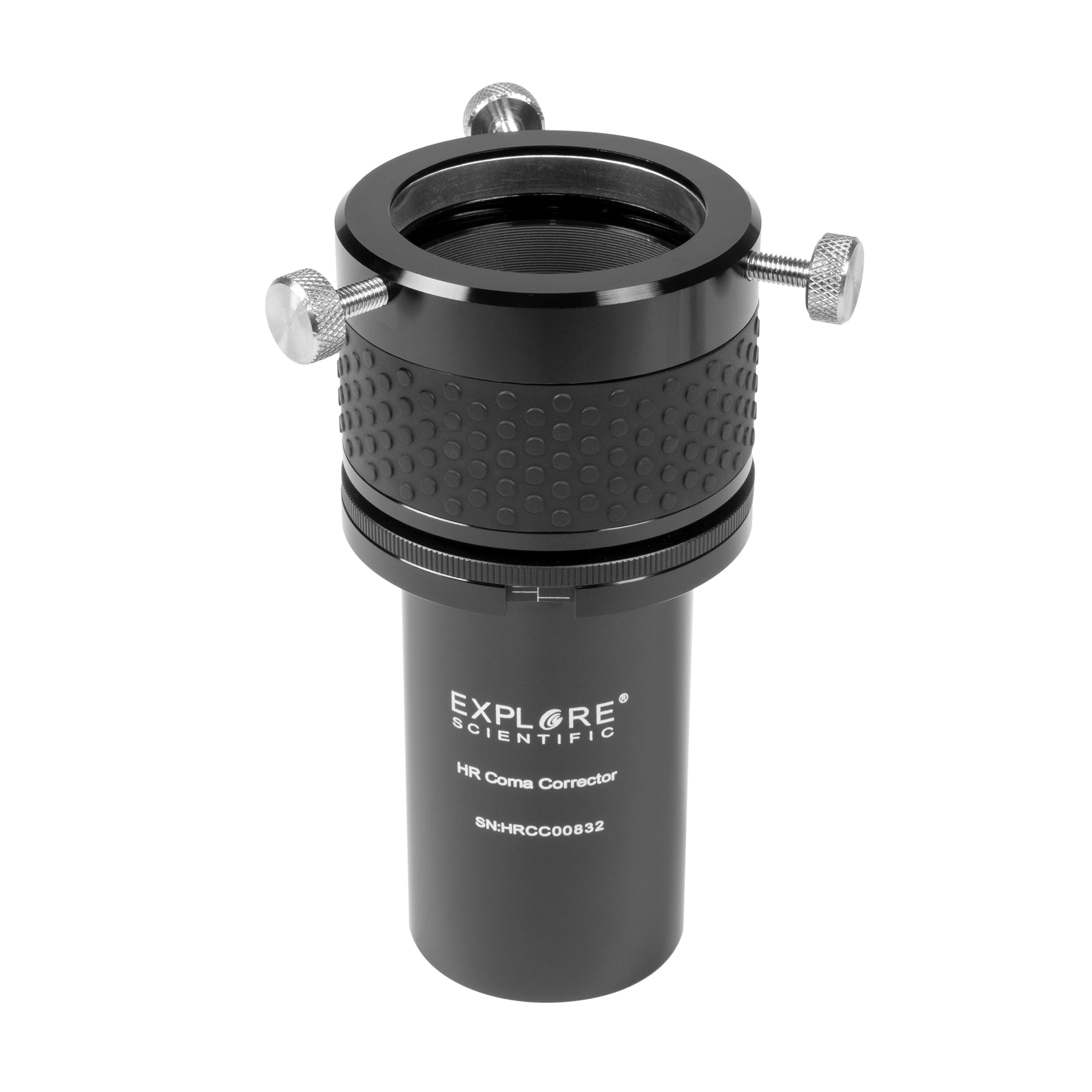
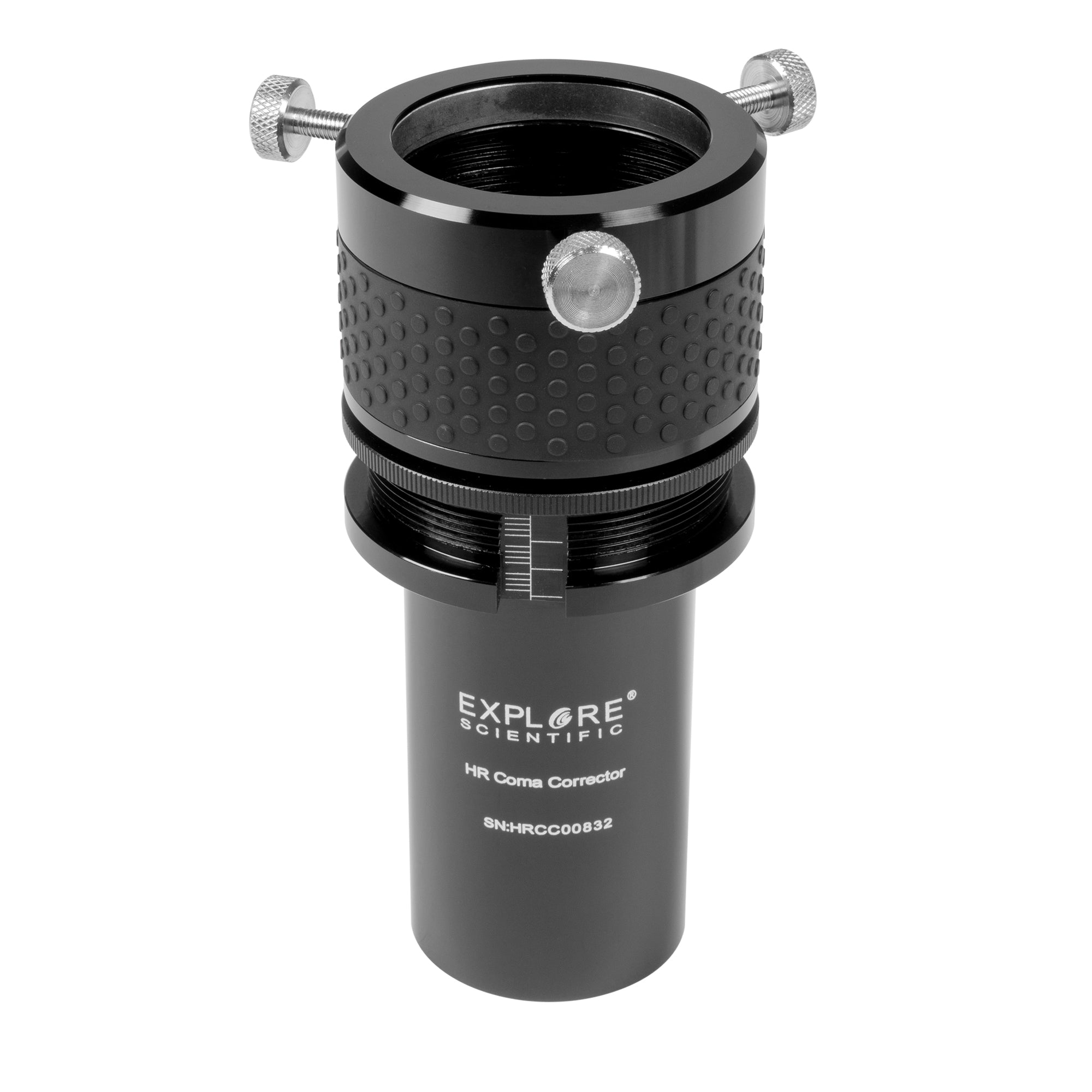
- Field flatteners, focal reducers, and coma correctors to improve image quality.
- Adapters, T-rings, and dedicated cameras to capture celestial objects.
- Stable tripods and counterweights to minimize vibration and tracking error.
Even binoculars and spotting scopes can be adapted for wide-field astrophotography with the right accessories.
For those with limited space or who travel to dark-sky locations, compact options like small refractors, tabletop Dobsonians, or portable spotting scopes provide convenience without sacrificing optical quality. These products allow you to enjoy astronomy from backyards, patios, or remote locations without the logistical challenge of larger setups.
Proper maintenance preserves performance across all Explore Scientific products:
- Store in dry, dust-free environments.
- Use lens and mirror caps when not in use.
- Clean optics sparingly with proper materials.
- Collimate mirrors periodically for reflectors.
- Use dew shields or heaters to prevent condensation.
Well-maintained optics ensure clear, bright images for years to come.
Even in suburban or urban skies, you can enjoy astronomy with the right equipment:
- Larger aperture telescopes and high-quality binoculars collect more light for brighter images.
- Filters increase contrast and reduce the impact of skyglow.
- Compact, portable scopes allow you to travel to darker skies for optimal viewing.
The right gear lets you see planets, the Moon, bright nebulae, and galaxies even when light pollution is present.
All Explore Scientific Products